Portuguese
  Spanish


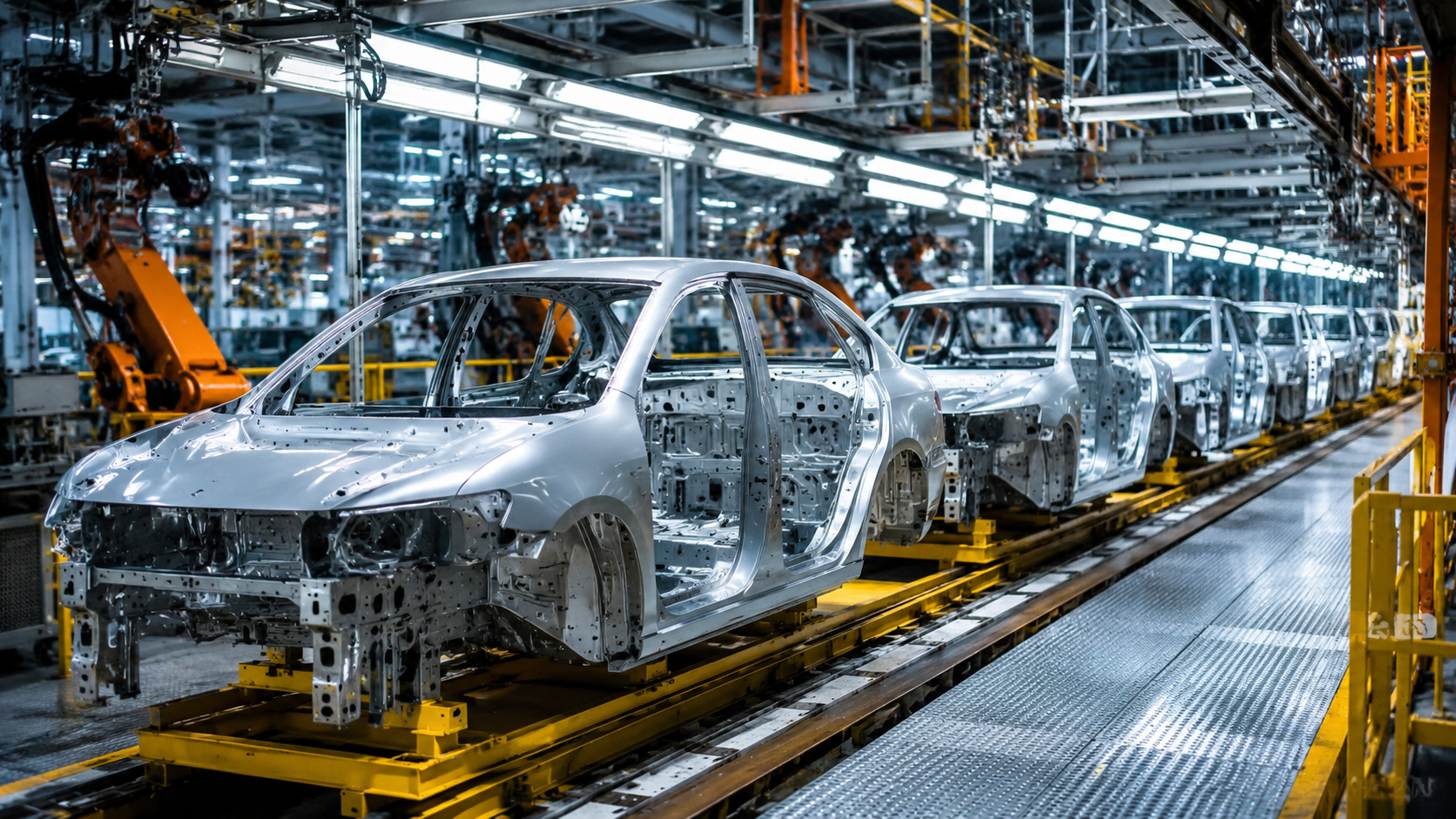

Electric market grows 175% in 2026, boosts vehicles in Brazil, expands charging and transforms the national automotive market.
The Brazilian electric market started 2026 at a historic pace. Data released by Fenabrave shows that registrations of 100% electric vehicles jumped from 17,541 to 48,299 units in the first four months of the year, registering a growth of 175% compared to the same period in 2025.
According to an article published by CNN Brazil on May 22, 2026, the accelerated advancement of electric cars reveals an important transformation in the national automotive market. The sector is experiencing a new technological race led mainly by Chinese automakers, which have increased their presence in the country and started to compete directly with traditional manufacturers.
In addition to the increase in sales, the growth of charging infrastructure and the arrival of new models help to consolidate electric vehicles as an increasingly present part of Brazilian mobility.
-
Classic Volkswagen Beetles of Brazilian Presidents to Swap Museums in Historic Partnership

-
British Factory Transitions from Mechanical Parts to Producing 420,000 Electric Power Units Annually, Supplying 70% of Ford’s Electric Cars Sold in Europe
-
Toyota Shifts from Hybrid Cars to Electric Air Taxis with Joby’s 6-Rotor Aircraft, Capable of 322 km/h, Aiming for Mass Production to Electrify Urban Skies

-
Ferrari Unveils Limited Edition 12Cilindri Manuale: 6.5-Liter V12, 830 HP, 0-100 km/h in 2.9 Seconds, Top Speed Over 340 km/h, Only 1,499 Units Available


Electric market breaks records in the first months of 2026
The performance of the electric market surprised the sector right at the beginning of the year. January opened 2026 with more than 8,100 registrations, representing a growth of 125% compared to the same period of the previous year.
BYD led the market with 5,113 units sold in that month alone. In February, the pace remained strong, with 8,654 electric car registrations throughout Brazil.
At that time, BYD’s share reached more than 78% of national electric registrations. Meanwhile, brands like Geely and GM began to increase their presence in the Brazilian automotive market.
The acceleration became even more evident in the following two months:
- March surpassed approximately 14,000 registrations
- April recorded 17,468 licensed electric vehicles
- April’s growth reached 273% over April 2025
- The four-month period closed with 48,299 units sold
The numbers show that electric vehicles have moved beyond occupying just a specific niche and have begun to compete for significant space within the national automotive sector.
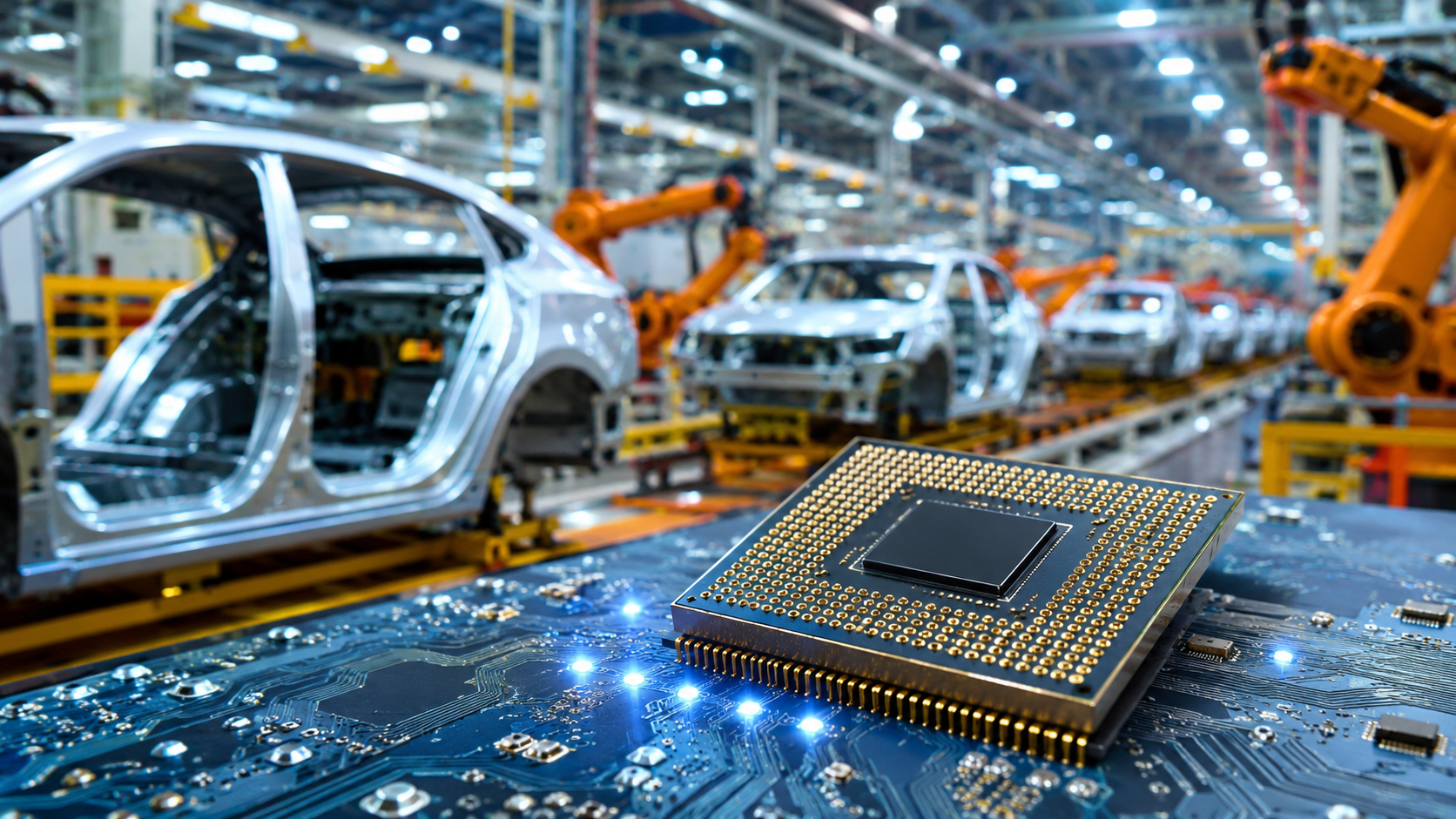
Chinese electric cars change the balance of the automotive market
The growth of Chinese manufacturers has altered the dynamics of the Brazilian automotive market in just a few years. Companies that were once seen only as new competitors are now directly competing for leadership with traditional brands.
A significant part of this advancement happens because Chinese electric cars offer better technological packages, greater autonomy, and competitive prices within the segment.
Moreover, Asian manufacturers have accelerated investments in dealerships, after-sales, and national expansion. This has allowed the electric market to reach consumers in different regions of the country.
Another important point involves the change in behavior of the Brazilian consumer. Gradually, resistance towards new brands has diminished, especially after the increase in the supply of electric vehicles and the improvement in charging infrastructure.
Today, the competition already occurs on equal technological footing, pressuring traditional automakers to review strategies and accelerate investments in Brazil.


BYD dominates the electric market with over 32 thousand units sold
At the center of this transformation is BYD. The Chinese manufacturer has consolidated an extremely strong leadership in the Brazilian electric market during the first four months of 2026.
According to Fenabrave data, the company accounted for 32,198 of the 48,299 electric vehicles registered in the period. This represents about two-thirds of the entire national segment.
The brand’s strength became even more evident in February, when the company achieved over 78% monthly participation among electric cars sold in the country.
In April, BYD surpassed the mark of 10 thousand monthly registrations for the first time in Brazil, further expanding its lead over competitors.
Some factors help explain this accelerated growth:
- Rapid expansion of dealerships
- Diversified portfolio of electric vehicles
- Strong marketing presence
- Aggressive pricing strategy
- Greater offering of embedded technology
Meanwhile, other companies are trying to gain ground. Geely expanded its presence in the Brazilian market and registered 3,761 units in April, its best result so far.

Charging infrastructure accelerates expansion of electric vehicles
The growth of electric vehicles is also linked to the evolution of charging infrastructure in Brazil. In recent years, private companies, automakers, and energy operators have increased investments in charging stations.
The expansion of charging stations reduces one of the main concerns of consumers: autonomy in travel and urban commuting.
Today, major Brazilian cities already have expanding fast-charging corridors. Additionally, shopping centers, supermarkets, parking lots, and gas stations have started to install new charging points.
Another important advancement involves the battery technology itself. Current electric cars offer greater ranges and faster charging times than just a few years ago.
This scenario helps the electric market grow more sustainably and increases consumer confidence in the technology.
Automotive market experiences new technological race in Brazil
The advancement of electric vehicles has opened a new phase of competition within the Brazilian automotive market. More than just electrification, automakers have begun to compete in technological innovation in various areas.
The new models bring intelligent systems, advanced connectivity, remote updates, and driver assistance features that previously appeared only in premium vehicles.
At the same time, traditional manufacturers are accelerating plans to avoid losing ground in the electric market. The competition has become strategic because Brazil has become one of the main automotive hubs in Latin America.
Among the main movements currently observed are:
- Expansion of factories and logistics centers
- New investments in electrification
- Expansion of the charging network
- Growth of local production
- Launch of more affordable models
This movement shows that electric cars are beginning to occupy a central role within the Brazilian automotive industry.
Brazilian consumer accelerates adoption of electric cars
Consumer behavior also explains an important part of the recent growth. The increase in fuel prices has led many Brazilians to seek more economical alternatives in the long term.
Moreover, electric vehicles offer reduced maintenance, lower energy costs, and quieter driving, factors that help attract new buyers.
Another relevant aspect involves environmental concern. Even with still high prices for some models, many consumers see electric cars as an alternative aligned with emission reduction and sustainability.
The popularization of information about autonomy, charging, and performance also helped reduce doubts that still existed about the technology.
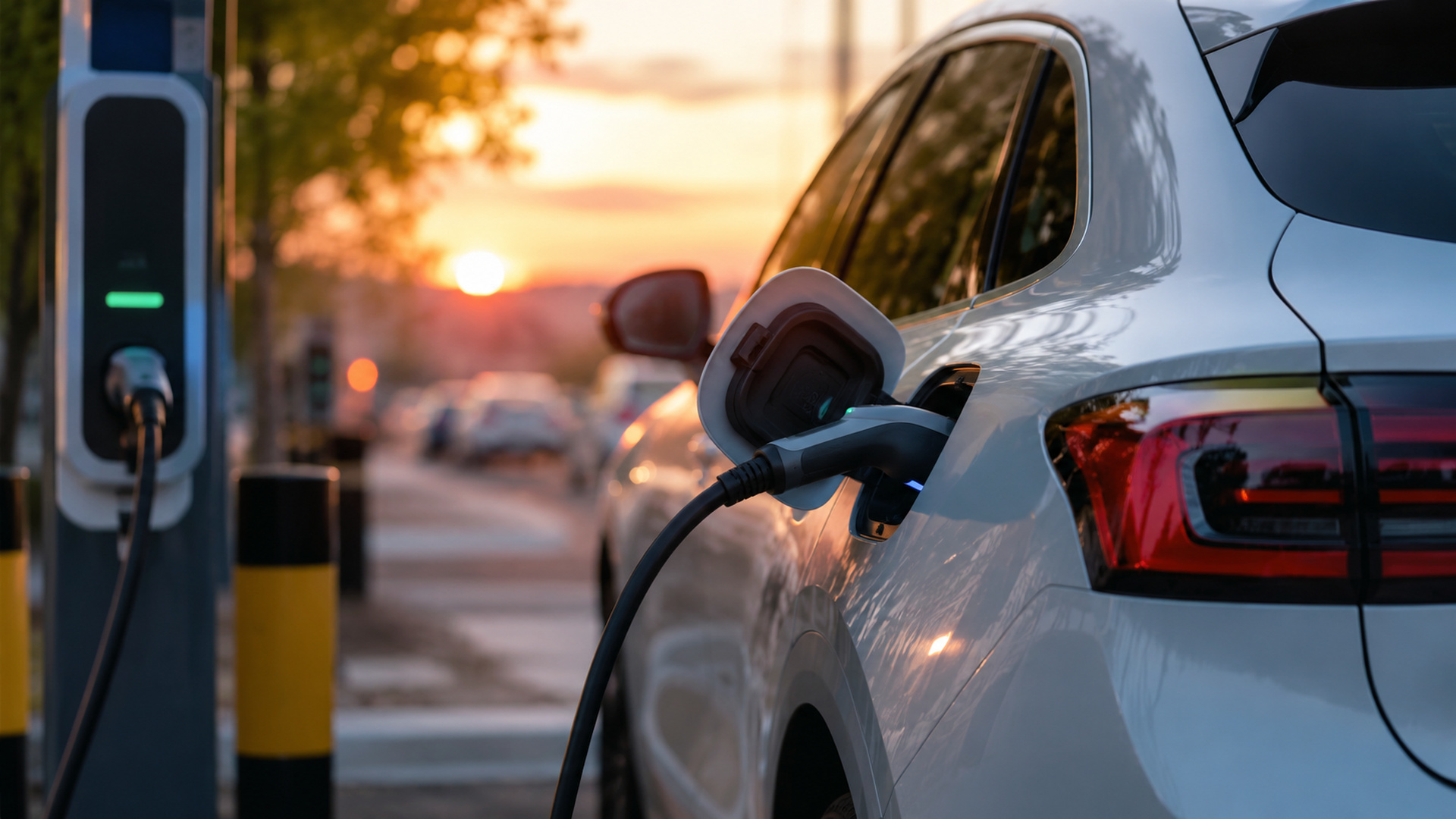
The advance of electric vehicles begins to reshape Brazilian transportation
The 175% growth recorded in the first quarter of 2026 shows that the electric vehicle market has definitively entered a new phase in Brazil.
The leadership of BYD, the advancement of Chinese manufacturers, the increase in charging infrastructure, and the expansion of investments indicate that electric vehicles should continue to gain ground in the coming years.
The Brazilian automotive market is undergoing a profound transformation, driven by technology, global competition, and changes in consumer behavior.
If the current pace continues, electric cars will quickly cease to be a niche alternative to occupy an increasingly dominant position in national urban mobility.
And you, do you believe that electric cars will dominate Brazilian streets in the coming years, or will traditional models still lead the market?
With information from CNN Brasil.