Portuguese
  Spanish


Project Will Strengthen More Than 120 Thousand Producers, Invest in Cooperatives, Modernize Properties, and Implement Sustainable Technologies in the Field.
The Government of São Paulo has approved, along with the World Bank, the Agro Paulista More Verde Project – Microbasins III. The total investment will be R$ 1.1 billion, with R$ 800 million financed by the international bank and the remainder by the State Treasury.
The External Financing Commission (COFIEX) has officially announced the decision in a statement.
The program, coordinated by the Secretariat of Agriculture and Supply through CATI, will last for six years. More than 120 thousand rural producers will benefit.
-
Brazilian Farmer Invents Low-Cost Tractor Using Motorcycle Parts, Efficiently Working 2 Acres on 1 Liter of Diesel

-
Regenerative Farmers Use Keyline Plow to Improve Pasture Hydration, Storing 1 Gallon of Water Every 30 Centimeters

-
Bicolor Pumpkin Resembling Hand-Painted Art Discovered by Brazilian Researchers in the Capital Due to “Spontaneous Mutation”

-
In China, a 26-story building produces 1.2 million pigs annually, revolutionizing livestock farming with tube feeding and AI surveillance.


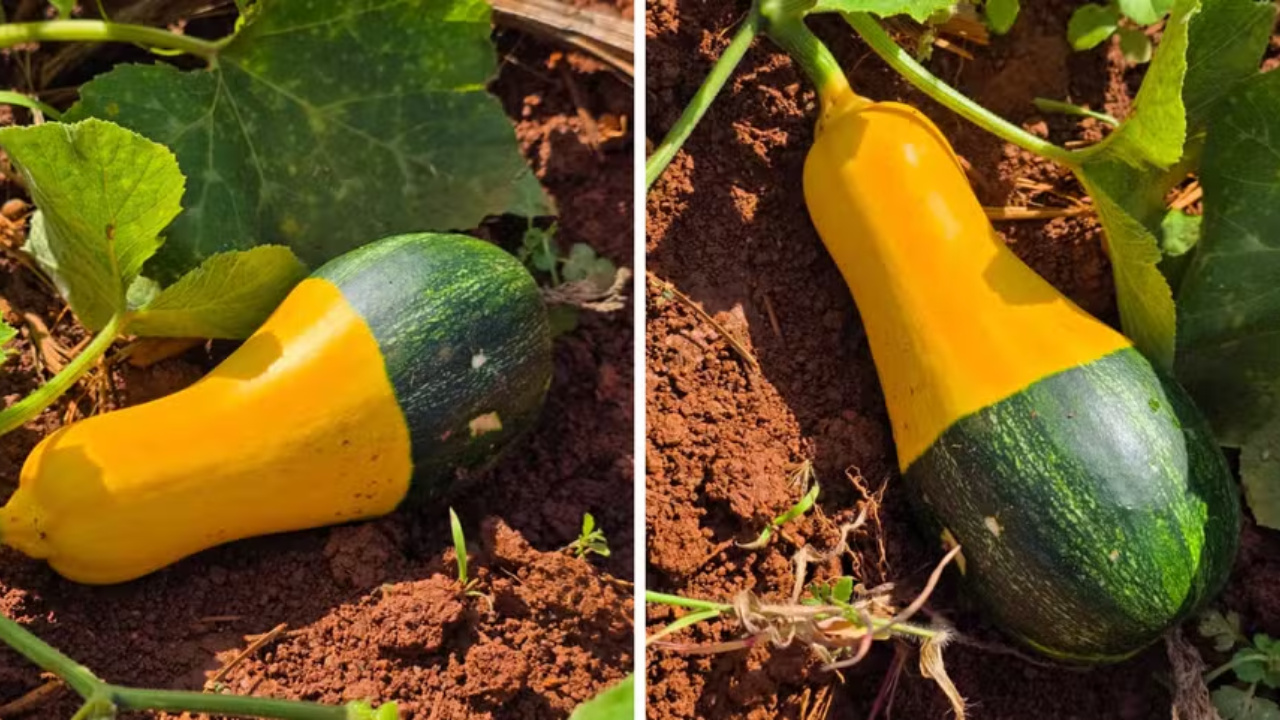

The central goal is to increase the sales value of family agriculture products with support for agro-industrial infrastructure, cooperatives, and associations.
Goals and Transformations
According to Secretary Guilherme Piai, the financing will strengthen the production, management, and organization of rural properties.
He recalled that in 2024 the government presented to the World Bank the potential of São Paulo’s agriculture in technology, sustainability, and food security.
“In 2024, we presented to the World Bank, in an international mission in Europe, the potential of São Paulo’s agriculture in technology, sustainability, and food security. With the approved project, we will apply the funding to transform the reality of producers and strengthen the production, management, and organization of rural properties and agro-industries in São Paulo. This is just the first victory,” he stated.
The project aims to increase productivity, recover degraded areas, and expand the use of sustainable technologies. In addition, it seeks to strengthen the local and regional economy.
Among the goals are the recovery of 1 million hectares with sustainable systems, investments in sanitation and connectivity, as well as direct support for the economic and environmental management of 20 thousand properties.
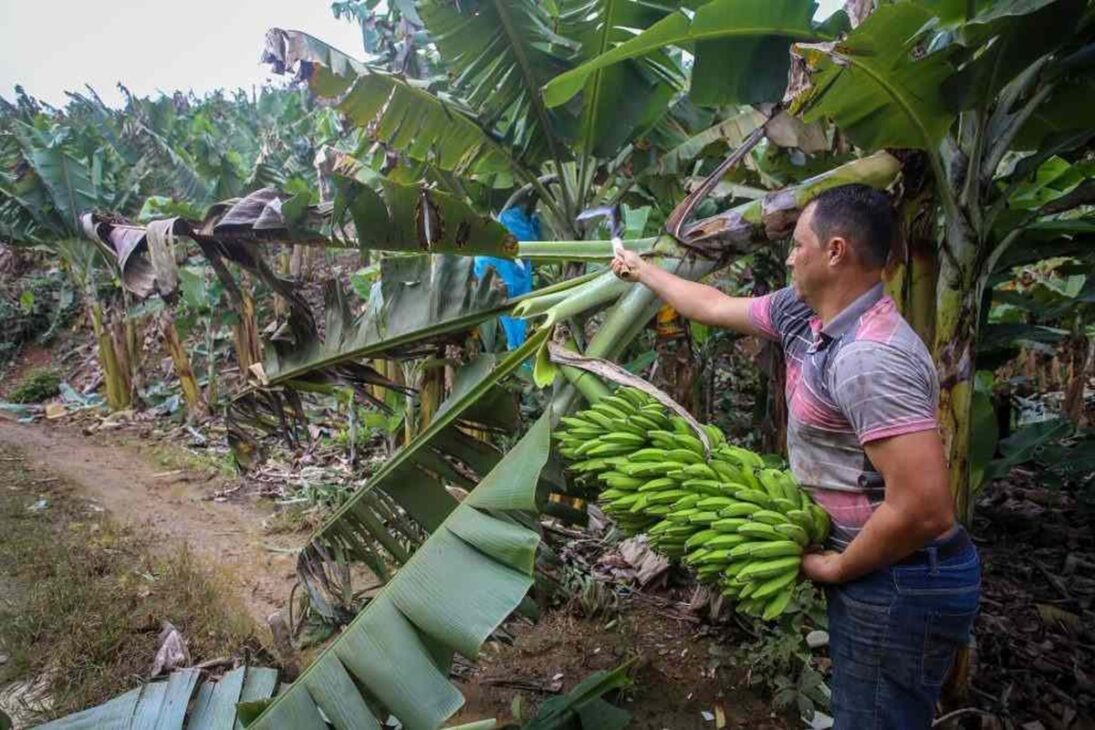
Other actions include training 15 thousand producers, strengthening 420 associations and cooperatives, and productive inclusion of 5 thousand women and youth.
There are also plans for 80 projects for traditional peoples, training of 400 extension workers, and the development of 400 business plans.
The most important aspect is that the program will establish 300 networks of solidarity communities.
Execution and Technical Support
The execution will follow World Bank standards, ensuring technical rigor and transparency. CATI will be responsible for implementation, with support from the Agricultural Defense and Itesp.
The director of CATI, Ricardo Pereira, highlighted the significance of the approval in the same month that the institution celebrates its 58th anniversary. “Always walking side by side with São Paulo’s rural families,” he said.
Thus, Microbasins III solidifies as one of the largest programs ever conducted in the state for sustainable development.
History of Previous Phases
The initiative is the third phase of a project that started in 2000. Microbasins I lasted until 2008, involving nearly 70 thousand producers in conservation and sustainable management practices.
It covered 970 microbasins in 514 municipalities, totaling more than 3.3 million hectares.
Microbasins II, carried out between 2011 and 2018, prioritized market access.
During this period, 293 organizations were benefited and 355 structuring projects executed. The phase also modernized CATI and recovered important rural roads.
For agronomist João Brunelli Júnior, the technical manager of the new project, the initiative represents a “transformational boost.”
He emphasizes that the integration of technology, sustainability, and social organization will energize local and regional economies. Moreover, the specialist highlights that the results will be felt at different layers of rural society.