






 Portuguese
  Spanish
  5 min of reading
  0 comments


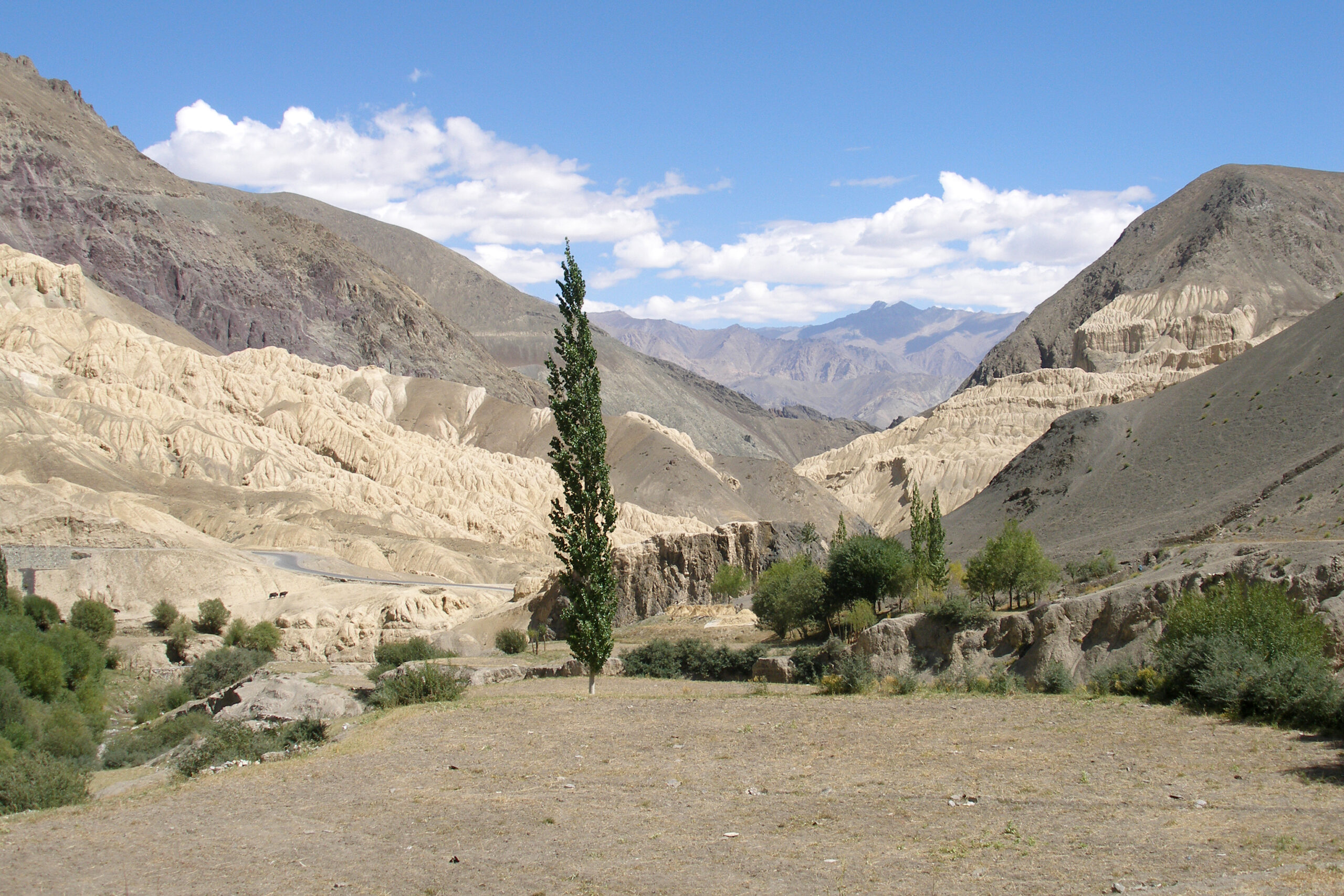
At over 4,400 meters altitude in the Himalayas, where the air is so thin that just walking is tiring, India’s state oil company drilled a thousand meters of rock until it found a 240-degree subsoil, and now wants to transform this hidden heat into the country’s first geothermal power plant.
The feat took place in the Puga Valley, in the Ladakh region, one of the most isolated and inhospitable corners of India, nestled between icy mountains near the border with China. It was there that ONGC, a state giant better known for pumping oil, drilled the deepest geothermal well ever made in the country. And it wasn’t done all at once: an exploratory hole had stopped at 405 meters in 2025, and in this 2026 season, the drilling went down to 1,000 meters.
A thousand meters of rock on the roof of the world
Drilling anywhere is already difficult, but doing it at 4,400 meters altitude is another level of problem. The thin oxygen reduces the performance of people and machines, winter closes access for months, and every screw needs to be transported up mountain roads that resemble trails. I confess that, of the drilling stories I’ve told here, this is one that makes me respect those who operate the rig the most. It’s not just drilling deep, it’s drilling deep on the roof of the planet.

240-degree heat beneath the ice
What makes Puga special is a beautiful paradox. On the surface, the place is one of the coldest in India, with nights of many negative degrees. Just below, however, the rock holds temperatures exceeding 240 degrees, plenty of heat to spin a turbine. This contrast is no accident: Ladakh sits on the so-called Himalayan geothermal belt, formed by the collision of plates that raised the mountain range itself, and for centuries the region has displayed hot water springs emerging from the frozen ground.
-
Brazilian scientists are simultaneously advancing two research projects on clean hydrogen and driving solutions that could transform the energy matrix, enhance industrial competitiveness, and accelerate large-scale emission reduction targets.

-
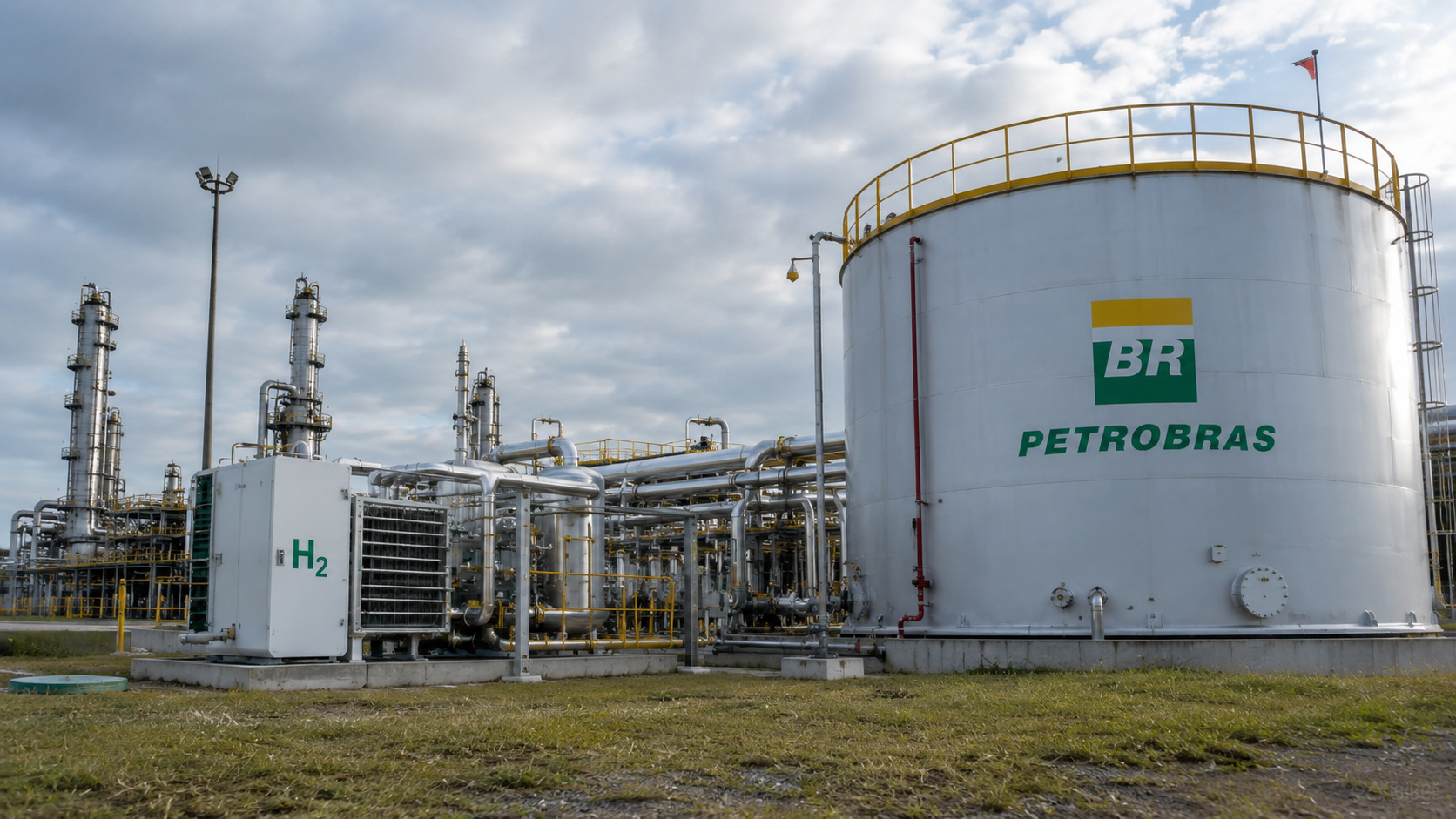
Advancement in renewable energy: A R$ 150 million project launched by Petrobras and Finep aims to create state-of-the-art electrolyzers for green hydrogen, strengthening national research and preparing Brazil to compete in a billion-dollar energy market.
-
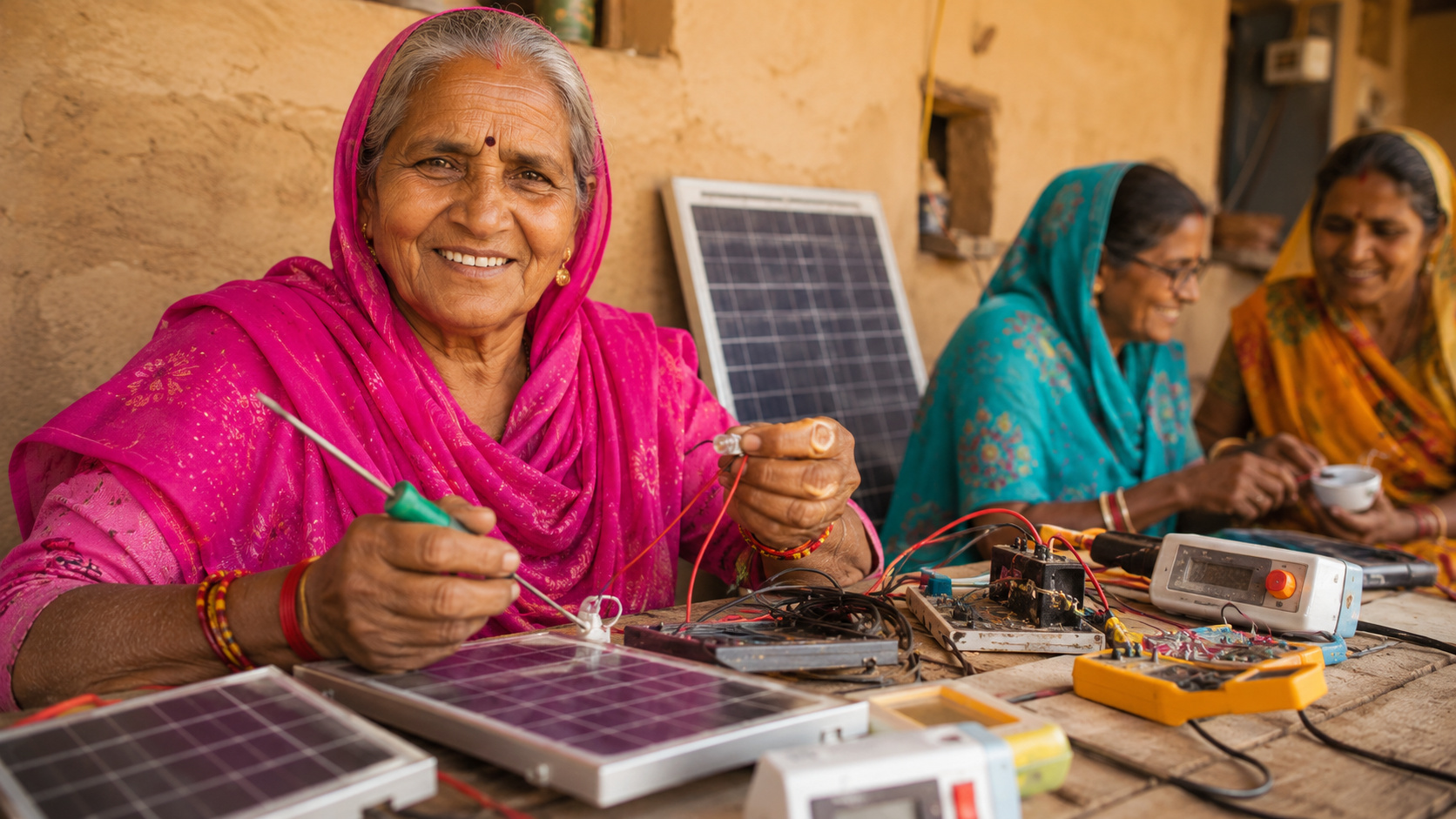
Illiterate or semi-literate grandmothers were trained to repair solar systems, open rural workshops, and light up homes that still depended on kerosene.
-
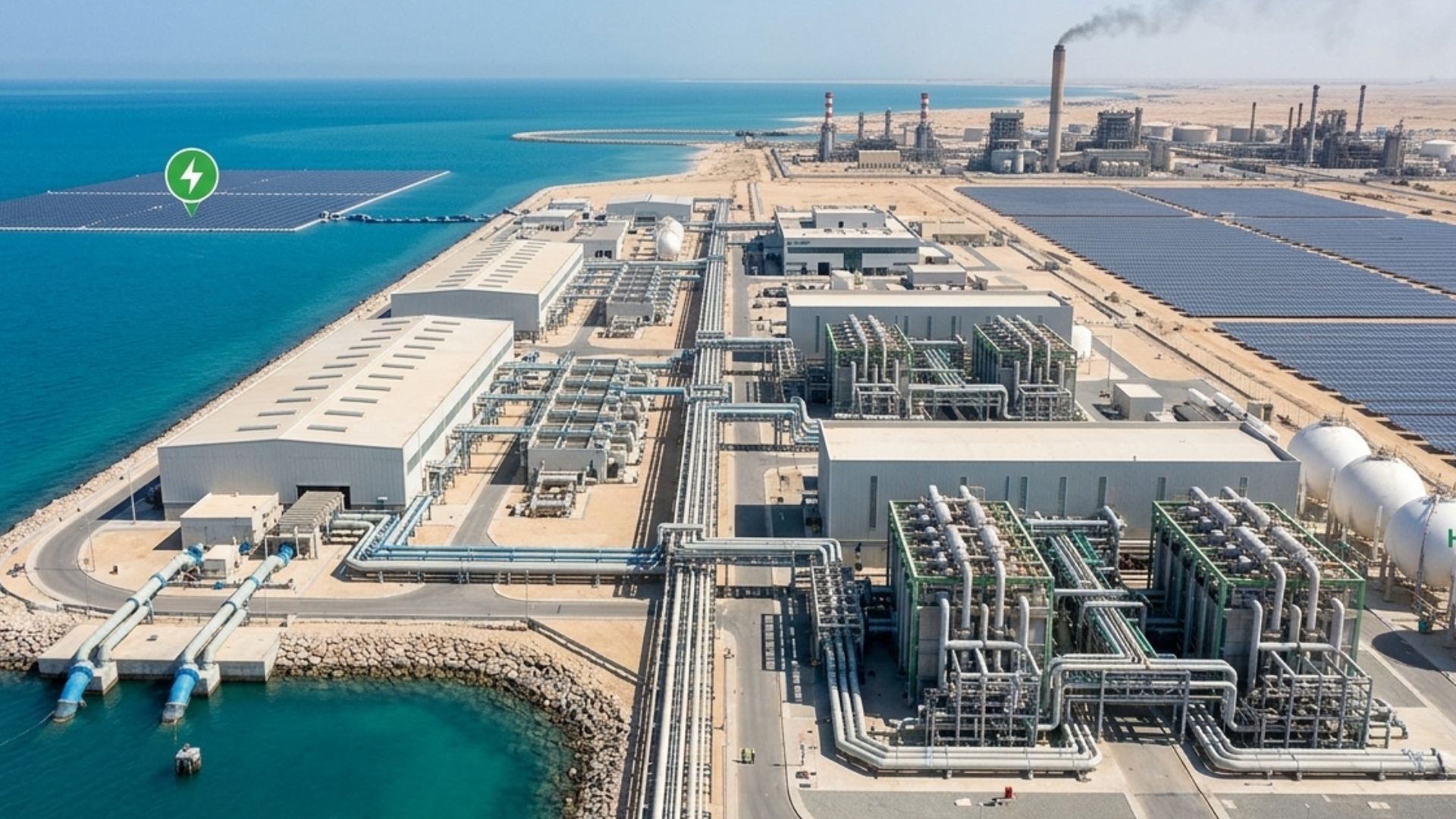
The world has bet on green hydrogen as the fuel of the future, but now faces the side effect: producing 1 kilogram requires about 9 liters of ultrapure water, and the largest projects on the planet are precisely in the driest regions of the Earth, where water is already scarce for people.


Puga’s potential is not news to scientists. The Indian geological service has been mapping the area since the 1970s, and for decades the valley was treated as the country’s number one geothermal bet, without ever leaving the study phase. What changed was the decision of a state company the size of ONGC to actually enter with heavy drilling, turning an old report into a real hole.

Why India wants this heat so much
The advantage of geothermal energy is that it doesn’t take a break. Unlike the sun, which sets, and the wind, which fails, the Earth’s heat is there all the time, delivering clean electricity 24 hours a day, with a low carbon footprint and occupying much less space than a solar park or a hydroelectric plant. For a remote place like Ladakh, where transporting fuel is expensive, this is almost a dream. The first pilot plant, of 1 megawatt, should be ready between 2026 and 2027, and studies point to a potential of about 10 gigawatts of geothermal energy spread across India, a country that currently has no such plant in operation.
This first plant will not pump the well water directly into a giant turbine. The planned model uses the heat of the geothermal fluid, which reaches the surface near 200 degrees, to spin a compact 1-megawatt generator, enough to supply an entire village. It’s little compared to the country’s 10-gigawatt potential, but it serves as proof of concept: if it works in the most difficult place, it works almost anywhere else.
There is also a strategic weight to the project. India is one of the largest coal burners on the planet and has promised to achieve net-zero emissions by 2070, a goal that requires clean and constant sources, not just panels and turbines at the mercy of the weather. And Ladakh is not just any region, nestled on the tense border with China, where supplying bases and villages with locally generated energy has a value that goes far beyond the electricity bill.
It’s not just India that has woken up to this. Deep geothermal has become a global bet, with companies like Fervo raising hundreds of millions of dollars to power artificial intelligence data centers with underground heat. The difference is that India chose to start with the most difficult place on the map.
The obstacle that is not geological
The heat is there, the technology exists, but the path is still full of stones. The country lacks a dedicated geothermal policy, as already exists for solar and wind, and the high cost of exploration combined with the long development time deters private investment. Not by chance, the agreement between ONGC and the Ladakh government to carry out the project has just been extended for another five years, a sign that no one expects a shortcut. The race for better drills also advances abroad, with startups testing wave drilling to reach even hotter rocks.
I imagine the day when a lost village high in the Himalayas lights up with the heat that has always been boiling beneath its feet, without burning anything. It’s the kind of energy that was there all along, waiting for someone to have the courage to drill deep enough to reach it.
If there is plenty of heat boiling under the mountains, why do we still depend so much on burning fuel to light a lamp?




-

-

-

4 people reacted to this.