






 3 min of reading
  0 comments


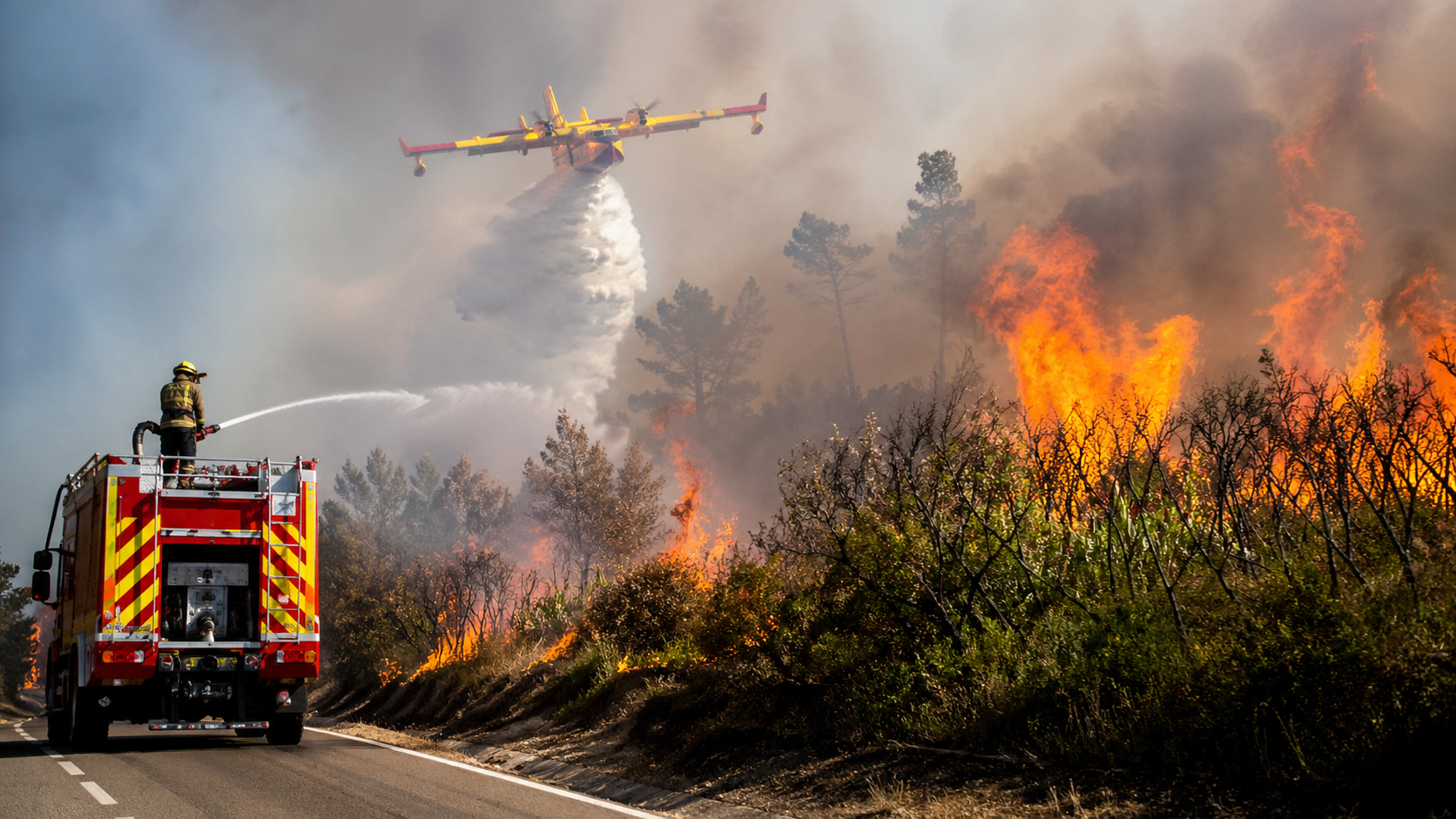
Reduction of forest fires in Brazil during a hot year draws attention by cutting 32% of burned areas, mobilizing specialists, and reinforcing prevention actions in all biomes with a focus on 2026
The 32% drop in forest fires in Brazil was surprising even amid a scenario of intense heat. The result shows that prevention actions have gained strength and managed to concretely reduce the areas affected by fire.
The impact on the environment is direct, with less destruction of vegetation and lower risk for nearby communities. The number surpasses the average of recent years, based on a 10-year period, indicating real progress in controlling fires.
Prevention gains strength and reduces the spread of fire in the country
The reduction of forest fires in Brazil is linked to the strengthening of prevention measures. More attentive monitoring and rapid response helped contain outbreaks before they could spread.
-
Survivor of 1966 SS Daniel J. Morrell Shipwreck in Lake Huron Recounts 38-Hour Ordeal in Extreme Cold

-
The Greatest Hoax in World Cup History? The Film That Denied Brazil’s 1958 Victory and Exposed How Fake Evidence Can Seem Convincing on TV
-
Fake South Korean Online Stores Offer Shopping Thrill Without Spending Money or Receiving Products
-
The War of Jenkins’ Ear: How a Severed Ear Sparked One of the 18th Century’s Most Unusual Conflicts


This type of action prevents major disasters and explains the 32% drop in burned areas. Early control becomes more efficient than acting only when the fire has already reached large proportions.
The report was published by MMA.gov.br, the federal government body responsible for environmental policies.
Meeting with 120 specialists projects risks in all biomes
The country brought together 120 specialists to assess the current scenario and discuss future risks. The focus is on predicting threats that could affect all Brazilian biomes in the coming years.


This work allows for anticipating problems and improving the planning of actions. The expectation is to maintain control of fires even in the face of more intense climate challenges.
The exchange of knowledge among specialists strengthens strategies and expands the response capacity in different regions.
Year of extreme heat makes the result even more relevant
The drop in forest fires in Brazil is notable for occurring during a period of high temperatures. Normally, heat increases the risk of fires, which makes the result even more significant.
Even with this scenario, there was a reduction in the affected areas. This reinforces the importance of preventive actions and shows that planning can make a difference.
Nature Brasil, a publication specializing in science and the environment, provided analyses on the impact of this type of result in climate change scenarios.
Firefighting strategy may inspire new policies
The recent performance raises discussions about how Brazil managed to reduce fires. The combination of monitoring, planning, and rapid action appears as a central point.
This model can serve as a basis for new public policies. The idea is to expand control and prevent fire from causing major environmental damage.
Furthermore, the result shows that investing in prevention can generate real and lasting gains.
Fewer fires have a direct impact on environmental preservation
The 32% drop in burned areas reduces damage to biomes and helps preserve fauna and flora. It also improves air quality and reduces risks for the population.
This positive scenario reinforces the importance of maintaining and expanding the actions that yielded results. Environmental preservation depends directly on this type of control.
The progress indicates that it is possible to reduce environmental impacts even in challenging periods.
Result points the way to maintain control in the coming years
The reduction of forest fires in Brazil shows that the country is on the right track by investing in prevention. The challenge now is to maintain this pace and expand the strategies.
With continuous planning and the participation of experts, the trend is to consolidate the results and avoid new environmental crises. The focus remains on protecting biomes and reducing risks.
Do you believe Brazil will be able to maintain this drop in wildfires even with the advance of climate change? Leave your opinion in the comments and share this content.





Be the first to react!