






 Portuguese
  Spanish
  3 min of reading
  0 comments


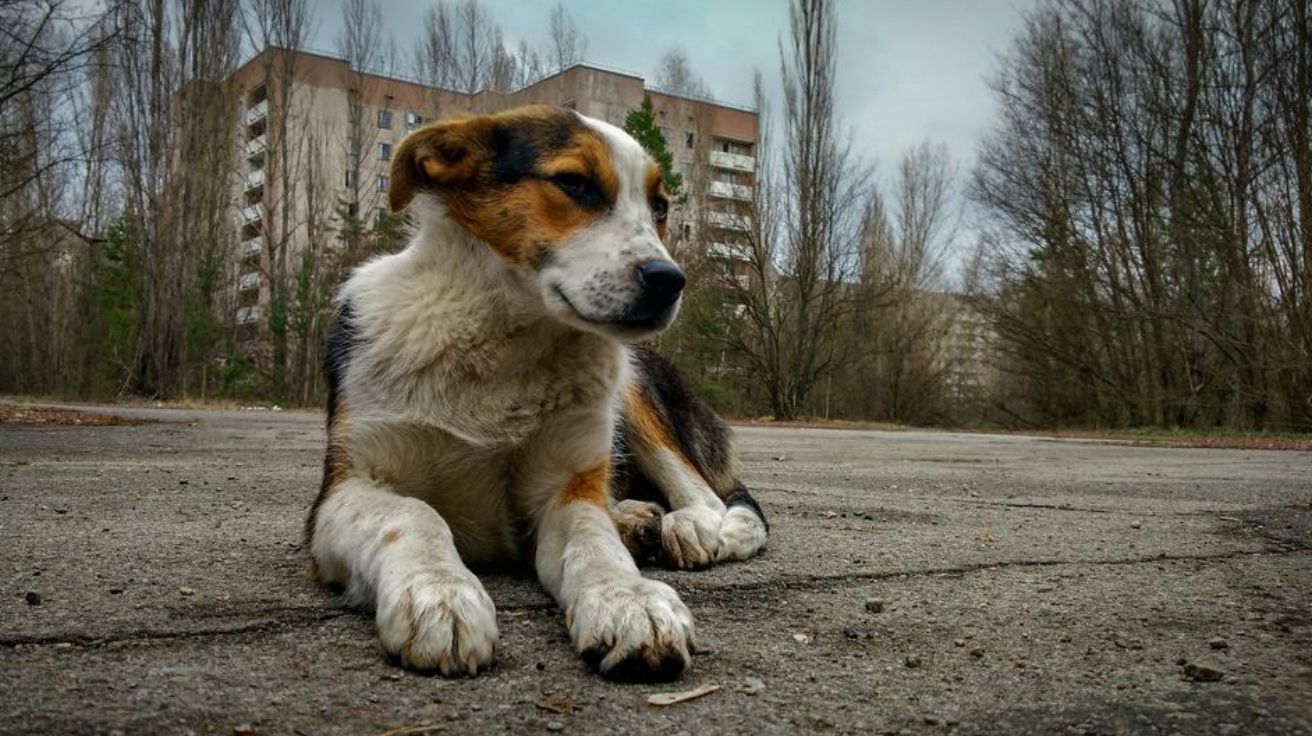
Scientists Analyze The Genetics Of Wild Dogs Living In The Chernobyl Exclusion Zone And Find Unexpected Signs Of Adaptation, Suggesting Possible Evolutionary Changes In Radiation-Exposed Environments, But Without Confirming Mutations Directly Caused By The Nuclear Accident.
A genetic study conducted with 302 wild dogs living near the Chernobyl Nuclear Power Plant in Ukraine identified marked differences compared to dogs from nearby regions, raising the hypothesis of a process of accelerated evolution in areas with radioactive contamination.
The research was conducted by scientists from the University of South Carolina and the National Human Genome Research Institute, with publication in the journal Science Advances in 2023.
The main objective was to investigate how prolonged exposure to radiation could affect the DNA of these animals.
-
Son lets his hair grow for two years in silence and surprises his mother who lost her hair permanently after treating a brain tumor: “It was the first time I felt like myself.”

-
Created by the Navy, a mechanical toothbrush with a pressure alert targets a common brushing mistake, warns when the force exceeds the limit, and aims to make technology seen in expensive electric models more accessible.
-
WhatsApp prepares messages that disappear after a single reading and tests on iPhone a feature that could change the way users send private, temporary texts that are harder to keep saved in conversations.

-
A resident of Guangzhou infiltrated the village where the 500 factories that make Shein’s clothes are located, disguised, and filmed everything: shifts from 8 am to 10 pm, factories operating at night, and owners who accept any conditions to avoid losing the contract.



The dogs analyzed inhabit the so-called Chernobyl Exclusion Zone, an area isolated since the nuclear accident in 1986.
Genetic Evolution In Irradiated Areas
According to the data, dogs living in the immediate vicinity of the power plant exhibited distinct genetic variations compared to dogs found 16 kilometers away, in the city of Chernobyl.
The researchers identified genetic differences in more than 390 regions of the genome, some related to cellular repair mechanisms and responses to environmental stress.
These findings reinforce the hypothesis that Chernobyl dogs are undergoing rapid evolution over generations, possibly influenced by the hostile environment and geographical isolation.
Radiation Is Not The Only Explanation
Despite the observed variations, it has not been proven that radiation is the determining factor for genetic changes.
Another study, published in 2025 by scientists from North Carolina State University and Columbia University, used a broader approach, evaluating genomes at chromosomal, genomic, and nucleotide levels.
This analysis found no evidence of typical radiation-induced mutations, such as chromosomal instability or modifications that would confer evident evolutionary advantages.
According to the authors, the genetic characteristics can be explained by reproductive isolation, genetic drift, and natural selection in extreme environments.


Environmental Factors And Genetic Isolation
In addition to radiation, scientists consider other environmental elements that have been affecting the region since the 1986 disaster, such as heavy metals and industrial waste.
These factors may also exert selective pressure on the animals that remain in the area.
The isolation of the dog population within the Exclusion Zone, with reduced genetic exchange with dogs from other locations, is pointed out as a relevant factor for the emergence of a genetically distinct group.
Historical Context And Ecological Effects Of The Nuclear Accident
The Chernobyl accident occurred on April 26, 1986, when Reactor 4 of the Nuclear Power Plant, then located in the Soviet Union, suffered an explosion that released large amounts of radiation.
The area was evacuated, and thousands of domestic animals were left behind.
Since then, various species have started to inhabit the region, taking advantage of the absence of humans.
Previous studies with other species, such as frogs and birds, have also identified genetic traits possibly related to adaptation to the contaminated environment.
An example cited by researchers is the presence of dark pigmentation in some amphibian species, which could act as a defense against radiation.
Ongoing Investigation Into Accelerated Evolution
Although it did not establish a direct causal relationship with radiation, the 2023 study provides an important model for future investigations into environmental impacts on mammals exposed to extreme conditions.
The genetic data obtained can serve as a basis for understanding adaptive processes in contaminated areas and the limits of genomic plasticity.
The teams involved continue to investigate the regions of the genome that showed the greatest differentiation, especially those associated with DNA repair and cellular function.
Analyses of diseases and immune resistance in the dogs of the region are also planned.
Chernobyl dogs are undergoing rapid evolution, according to the evaluated genetic criteria, but the mechanisms behind this phenomenon are still under analysis.
The absence of a definitive conclusion keeps the topic open for future studies.
Which environmental factors do you consider most decisive in explaining the genetic changes in these dogs: isolation, radiation, or natural selection?






-

1 person reacted to this.