





 Portuguese
  English
  Spanish
  4 min of reading
  0 comments


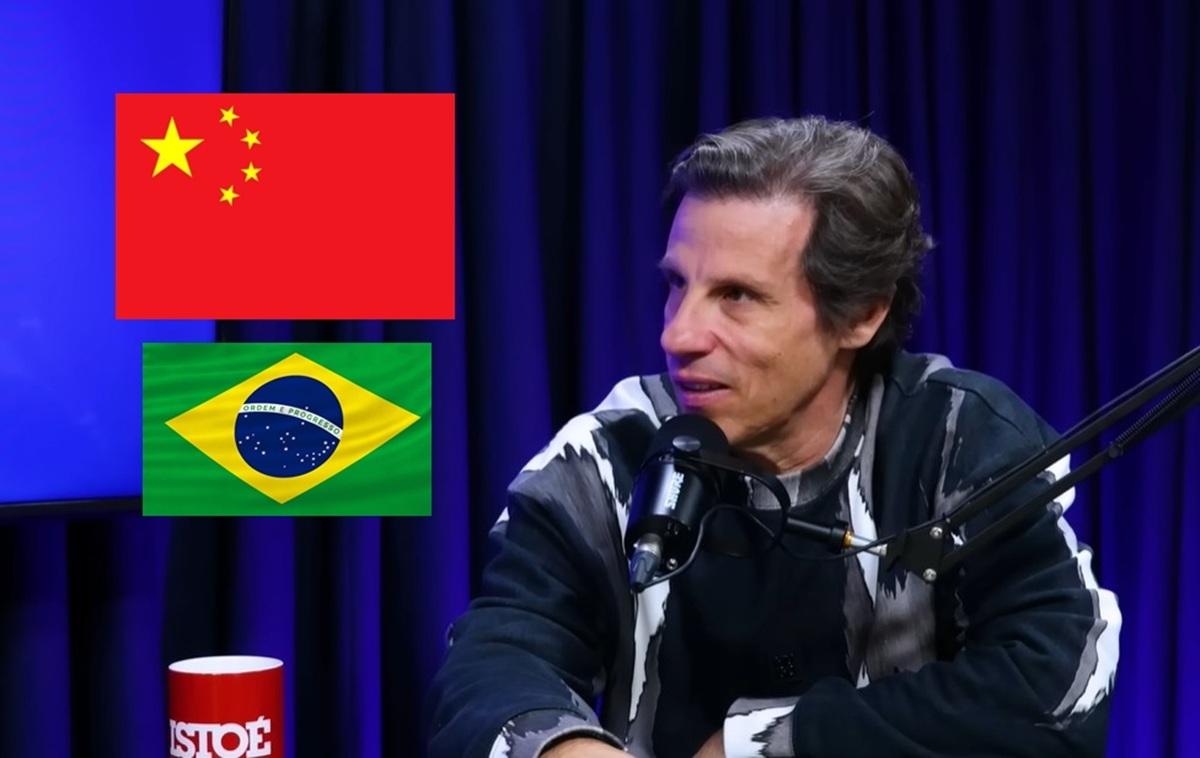
In An Interview With The Channel ISTOÉ Dinheiro, Caito Maia Said That Chilli Beans Makes Everything In China, After The Bankruptcy Of The Brazilian Unit Due To Taxes And Bureaucracy, And Criticized The Lack Of Government Support For The National Industry
The Founder Of Chilli Beans, Caito Maia, Explained How The Brand’s Global Operation Works And Why The Company, Despite Being Brazilian, Produces All Its Products In China.
During An Interview With The Channel ISTOÉ Dinheiro, He Reported The Difficulties Faced In The Country And The Direct Impact Of The Tax Burden On The National Industry.
Factory In Brazil Did Not Withstand The Tax Burden
Caito Said That Chilli Beans Had Already Tried To Produce Part Of Its Line In Brazilian Territory, Manufacturing About 20% Of Its Products In The Country Four Or Five Years Ago. However, According To Him, The Operation Became Unfeasible.
-
The end of the Portuguese language: award-winning writer proposes changing the name of the language and reignites debate on colonial heritage, African culture, and Brazilian identity after highlighting influences from more than 6 African, Indigenous, and Arab languages in the formation of modern Portuguese.

-
Bicycles become a ‘craze’ in SP, synonymous with agility in traffic, but the government wants to limit electric ones to 20 km/h, reduce speed to 6 km/h near pedestrians, and even prohibit circulation on fast lanes after an increase of 212 thousand units in the Brazilian market.
-
After BYD and others, China invades Brazil with giant tractors of up to 700 hp, 50% fuel savings, and a billion-dollar factory planned after Zoomlion projects R$ 500 million in sales in Brazilian agriculture.
-
Goodbye, Citroën! The brand, known for problematic and ‘bomb’ cars in Brazil, is preparing to leave the country after disappointing sales, as its owner (Stellantis) prioritizes Fiat Fastback, the new Argo, and Jeep Avenger in the Brazilian market.


“It Was A Huge Volume, Almost 500 Thousand Pieces. We Got So Many Fines, So Many Labor Fines, So Many Taxes, That The Factory Owner Gave Up. He Said: ‘Enough, I’m Out’”, He Stated.
He Classified The Situation As “A Shame,” Emphasizing That The Main Bottleneck Is The Tax System.
“The Tax Destroys Companies. I’ve Never Had Help From The Government, Nothing. On The Contrary,” He Declared. Caito Emphasized That Brazil Does Not Offer Incentives Or Protection For The Sector And Criticized The Lack Of Industrial Vision: “The Brazilian Government De-Industrialized Itself. If We Put Energy Into This, We Would Have Many Factories, Generate Jobs, Pay Taxes, But It Doesn’t Matter.”
Frustrated Attempts To Re-Industrialize Production
Even After The Closure Of The Factory, Caito Stated That He Received Offers To Lease Other Units In The Country, Including “For Free.”
Even So, The Numbers Did Not Add Up. “Free Does Not Add Up. The Product Ends Up Being More Expensive Than The Chinese Manufacturing In Brazil, Mainly Due To Taxes,” He Explained.
He Reinforced That The Problem Is Not Exclusive To The Eyewear And Watch Industries, But To The Entire National Structure.
“Brazil Has Workforce, Has Physical Space, Has Good Geographical Location — Next To Europe, Next To Everything — But It Doesn’t Work. We Could Be An Industrial Hub, But We Are Not,” He Regretted.
Solid Partnership With The Chinese Industry
When Asked How The Current Manufacturing Works, Caito Responded Plainly: “It’s 100% In China. Everything, Glasses, Watches, Everything.”
The Production Takes Place In A City Considered Small By Chinese Standards, With About 10 Million Inhabitants And More Than 700 Factories.
Chilli Beans Maintains Partnerships With Five Of Them — Four For Over 20 Years And One More Recent.
According To The Businessman, These Partners Are Essential For The Brand’s Quality And Production Scale.
“The Manufacturing Has Never Been A Bottleneck. They Are Amazing Partners, With Whom We Develop Technology And New Products. They Love Working With Us,” He Stated.
He Highlighted That This Direct Relationship With Manufacturers Eliminated Intermediaries And Increased The Company’s Margin. “When I Removed The Middleman, My Margin Went Up 20%, 30%, 40%. I Have Technology At Hand Because I Talk Directly With The Manufacturer,” He Explained.
Impressive Evolution Of The Chinese Industry
A Visitor To China For Two Decades, Caito Said He Witnessed An “Ignorant” Transformation, A Term He Used To Describe The Country’s Advancement.
“When I Went For The First Time, It Looked Like A War Zone. Today Everything Is Modern, Tree-Lined, Full Of Absurd Buildings And Bridges. They Build 400 Km Of Road In A Year And A Half,” He Reported.
The Businessman Was Also Impressed With The Degree Of Automation In Factories, Citing An Episode Where A Plant Operated Completely In The Dark. “The Whole Factory Is Automated. You Don’t Even Need To Turn On The Lights. It’s A Bit Scary, But It’s Incredible,” He Said.
“The Chinese Government Wants To Help You”
Caito Compared The Posture Of China With That Of Brazil And Praised The Chinese Model Of Support For Companies. According To Him, The Chinese Government Even Created An Insurance Company To Protect Manufacturers And Buyers.
“When You Buy, You Pay The Insurer, Not The Supplier. If You Don’t Pay, The Insurer Covers And Then Comes After You With The Government,” He Explained, Amazed By The Efficiency Of The System.
Over The Years, He Claimed To Have Built A Trusting Relationship With His Chinese Partners. “They Helped Me During The Pandemic. I Have A Lot Of Gratitude And Pride In This Relationship. They Are Wonderful Partners, And We Grew Together,” He Concluded.
With Over 20 Years Of International Partnerships, Caito Maia Reinforced That The Chinese Production Model Is Today The Pillar Of Chilli Beans, Allowing Quality And Scale At Competitive Prices.
However, The Tone Of Regret About Brazil Persisted Throughout The Interview: “If The Government Really Wanted To Help, It Would. It’s A Shame Because Brazil Had Everything To Soar.”


-

-

-

7 people reacted to this.