Portuguese
  Spanish


Global Warming Affects Cattle and May Make Meat More Expensive, Bringing Challenges to Brazilian Agriculture.
The price of meat may rise in the coming years due to global warming, according to experts in economics and livestock.
The warning was issued after analyses pointed out direct effects of climate change on cattle.
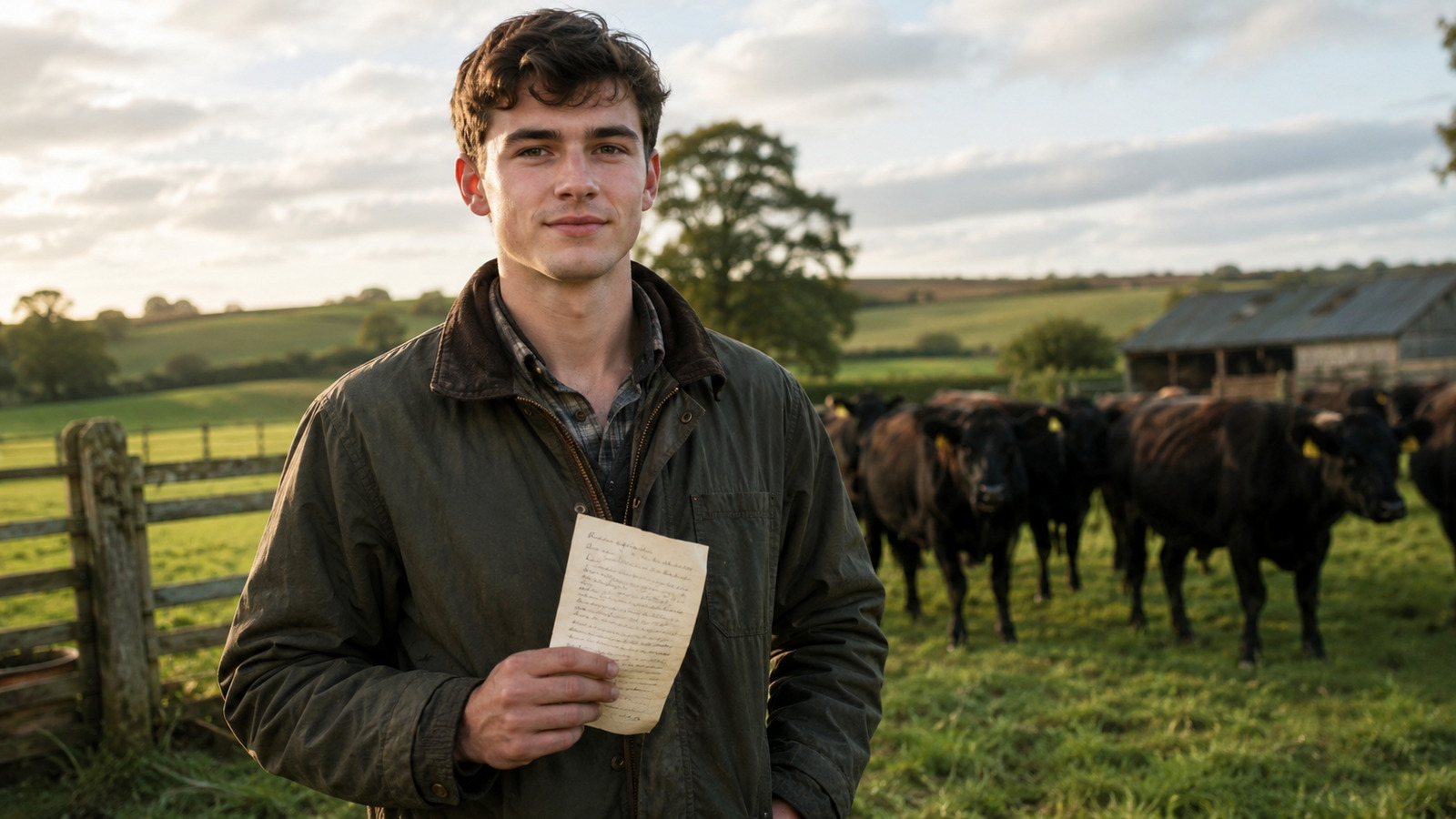
The raising of free-range cattle in pastures, the predominant model in Brazil, is becoming increasingly vulnerable to prolonged droughts, heat waves, and lack of rain.
-
Brazilian Family’s Cheese, Started with One Cow in 1984, Named Best in the World, Beating 2,700 Competitors from 30 Countries

-
Brazilian Ranchers Use Satellites to Optimize Pasture Management and Prevent Feed Loss in Cattle Farms

-
Russia Follows China in Recognizing Brazil as Free from Foot-and-Mouth Disease Without Vaccination, Boosting Meat Exports and Agribusiness Potential

-
23-Year-Old Brazilian Turns Beekeeping into College Tuition, Harvesting Honey Twice a Year from 50 Hives



The impact worries not only consumers but also the agricultural sector, which depends on livestock as one of the pillars of the national economy.
The climatic phenomenon affects everything from the weight gain of animals to the availability of pasture, compromising the supply of meat in the market.
How Global Warming Interferes with Meat Production
The increase in temperatures has caused what is known as thermal stress in cattle, hindering healthy growth of cattle and milk production.
With more heat, animals need to travel greater distances in search of water, expending energy that should be directed toward weight gain.
Additionally, changes in rainfall patterns directly affect pastures, the primary food source for cattle.
Without suitable soil and nutritious vegetation, animals suffer a loss of productive performance, and feeding costs increase for producers.
The Warning from Experts
According to André Braz, coordinator of Price Indices at the Getulio Vargas Foundation (FGV), climate issues are already putting pressure on the costs of the livestock sector.
“Cattle in Brazil, the majority of them are not raised in confinement, they are free in the pasture. So the conditions of the pastures also depend on the rains. If it doesn’t rain, there is no food for the cattle to eat, and raising these animals becomes more expensive. The rise in costs also leads to an increase in the price of meat,” said Braz.
This scenario reflects a growing concern in the sector about the future of livestock farming and food production in the country.
Extreme Events and Risks for Cattle
In recent years, Brazil has recorded extreme climatic phenomena with greater frequency.
In October 2023, for example, a historic drought in the Amazon drastically reduced river levels, dried up reservoirs, and destroyed large areas of pasture.
Without food and water, hundreds of cattle died, revealing the vulnerability of livestock farming in the face of global warming.
Experts believe that episodes like this are likely to repeat and jeopardize the stability of meat production.
Agriculture and the Challenges of Sustainability
The Brazilian agricultural sector, responsible for a large portion of the country’s exports, also feels the repercussions of this reality.
Higher costs for feed, nutritional supplements, and veterinary care can further raise the production chain costs of meat.
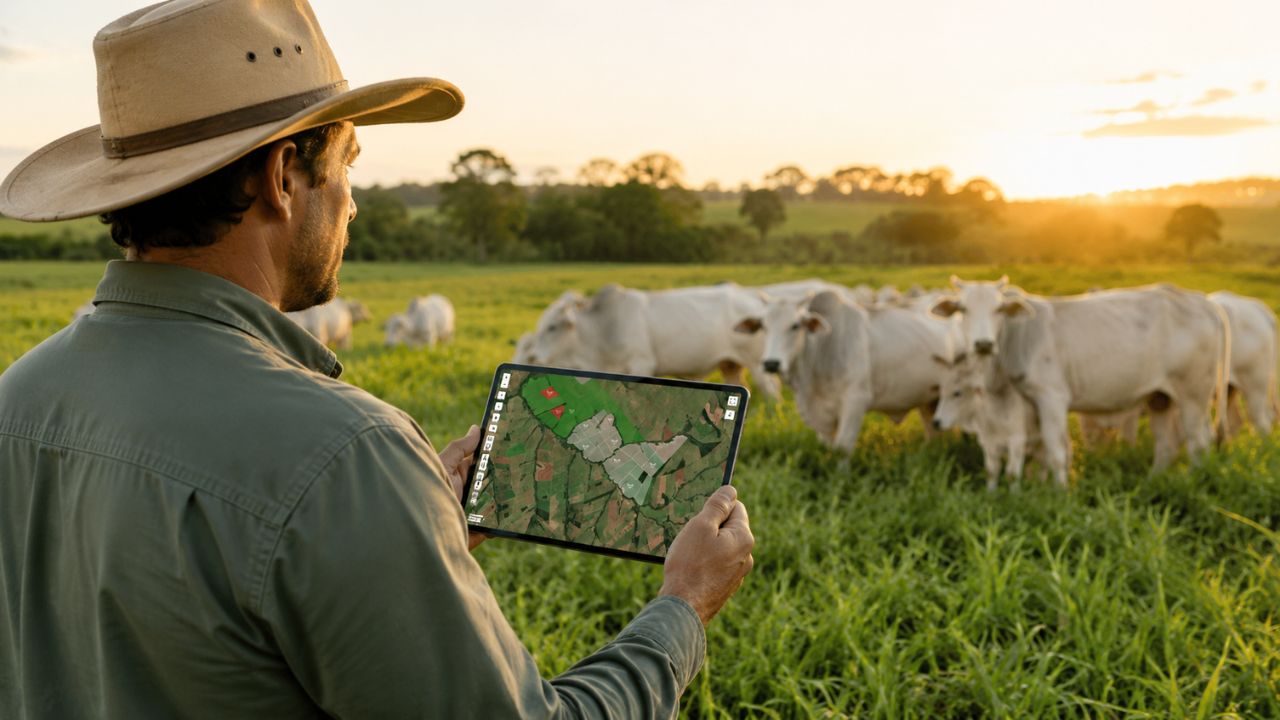
On the other hand, producers have been seeking adaptation alternatives, such as irrigation systems for pastures, artificial shading for cattle, and even investments in genetics to increase animals’ resistance to heat.
These measures, however, raise expenses and put pressure on final prices for consumers.
More Expensive Meat: Climate Is Not the Only Factor
Although global warming is one of the main villains, the price of meat does not depend solely on climate change.
Inflation, currency fluctuations, production costs, and increased exports also directly influence the prices paid at the shelves.
However, experts stress that, in light of prolonged droughts and heat waves, Brazilian livestock may face more difficulties in maintaining stable supply.
This means that consumers may increasingly feel the impacts of the climate crisis in their wallets.