






 Portuguese
  Spanish
  4 min of reading
  0 comments


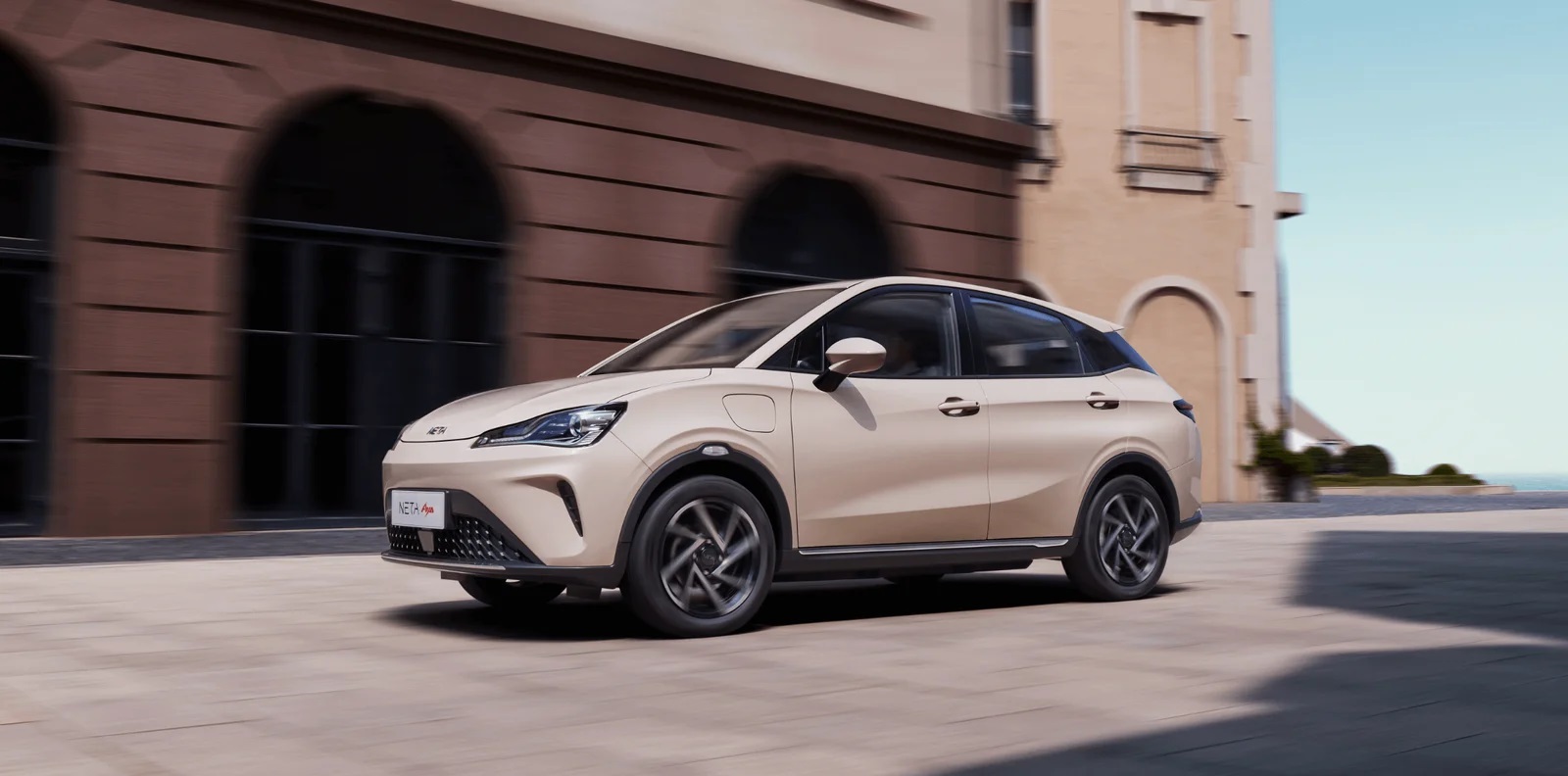
Electric Car Sold In Brazil Receives Zero Rating In Crash Test: Know The Controversies Involving The Neta Aya, Sold For R$ 128 Thousand In The Country.
It is common for vehicles to undergo rigorous safety tests before being launched to the market, but the situation of Neta Auto is far from simple. The Chinese manufacturer, which is preparing to begin the first deliveries of its electric car in Brazil, faces a series of challenges. Recently, the company underwent a change in leadership in China, while its most affordable model, the Neta Aya, received a concerning zero rating in the ASEAN NCAP crash tests, the organization responsible for assessing vehicle safety in Asia. The result generated negative repercussions, raising questions about the quality and safety of the vehicle, especially at a crucial moment of expansion into international markets, such as Brazil.
Moreover, the weak performance in the tests occurs in a context of increasing competitiveness in the electric vehicle sector, where safety and technological innovation are essential points to gain consumer trust. Neta Auto’s situation now puts its entry strategy in Brazil in question, raising doubts about how the brand will handle local regulatory requirements and the impact of this scandal on its global reputation.
Better Understand The Zero Rating In Crash Test Of The Neta Aya
The ASEAN NCAP is the equivalent of Latin NCAP for cars sold in Asia and Oceania. The entity assessed the safety of the Neta V, an electric hatchback, known in Brazil as Neta Aya and costs R$ 128,900. It was tested as it is also sold in Malaysia, Brunei, Indonesia, and Thailand.
-
Uber Faces Shareholder Scrutiny as Board Accused of Ignoring Safety, Compliance, and Harassment Warnings Amid Over 3,500 U.S. Lawsuits

-
Ferrari’s First Electric Car Divides Fans, Priced at $630,000, Amid Concerns Over Limited Editions; Brand Clarifies It’s Not Just for Future Perks
-
BYD Dolphin Mini: The Electric Car That Defies Depreciation, Losing Only 3.58% in a Year and Becoming the Best-Selling Retail Model Under $22,000

-
Electric Car JAC E-JS4 Loses $19,000 in Value in One Year, Leading Record Depreciation of Used Cars in Brazil Due to Expensive Battery and New Models


The Neta Aya received a zero rating in the crash test out of a total of five possible, a result equal to that of the Renault Zoe EV and JAC e-JS1 E10x, tested previously.


According to ASEAN NCAP, the electric car achieved zero in the frontal crash test, where the driver would have “poor protection for the head, neck, chest, and leg”. There, the test also evaluates safety in motorcycle pedestrian accidents, and the rating was also zero.
The electric vehicle scored some points for adult occupant protection, child occupant protection, and safety assist systems, reaching a total of 28.55 points out of a possible 100. With a zero rating in the frontal crash test at 64 km/h, the A-pillar and steering wheel moved from their original positions.
What The Electric Car Neta Aya Offers?
According to ASEAN NCAP, the electric car has a “weak body structure” and a “compromised retention system” that puts occupant safety at great risk. The tested car has a similar equipment package to the basic version offered in Brazil, with only two airbags, ABS brakes, and stability control. In Brazil, ADAS systems are only present in the more expensive version, at R$ 138,900.
The Neta Aya is 4.07 meters long, has a wheelbase of 2.42 meters, and a trunk capacity of 335 liters. It is equipped with a 95 hp electric motor and 15.3 kgfm, using a 40.7 kWh battery, promising a range of 263 km according to the PBEV cycle from Inmetro.
Among the equipment of the car that received a zero rating in the crash test are a 14.6-inch vertical multimedia center, a rearview camera, cruise control, and leather seats. The Luxury version adds the assistive package with adaptive cruise control, autonomous emergency braking, lane-keeping assistance with alerts, and high beam assistance.
Other Controversies With The Brand
In addition to the zero rating in the crash test, at the end of last week, the brand had to deny rumors about a supposed resignation of CEO Zhang Yong. The rumors emerged on Chinese social media, claiming that the executive was leaving for Neomor, which manufactures electric logistics vehicles.
Even though it denied the rumors, hours later it was announced that the executive indeed left the company. The new CEO of Neta is now Fang Yunzhou, founder and president of Neta Auto.
Zhang had been at Neta since 2018, after having worked at Chery New Energy and Beijing Electric Vehicle, and during these six years, he helped the company reach the mark of 150,000 cars sold in 2022 in China.





Be the first to react!