






 Portuguese
  Spanish
  3 min of reading
  1 comment


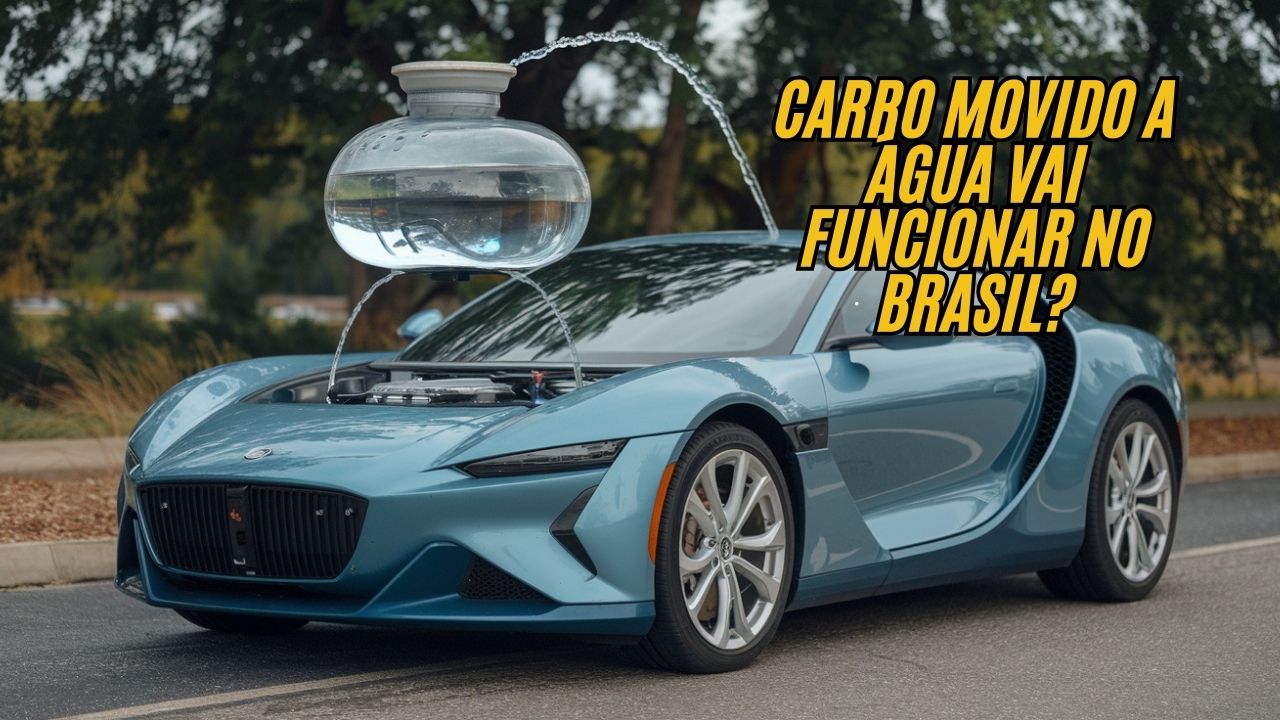


Hydrogen Vehicles Still Face Challenges to Become Common in Brazil, But Experts Believe in a Promising Future
With the advancement of research and the increase in investments, the water-powered car, that is, the vehicle with hydrogen fuel cell technology, promises to be a sustainable alternative for the future of mobility. Although this new technology seems to be a step away from revolutionizing the market, there are still significant challenges for it to become a reality in the garages of Brazilians and people around the world.
The main bet of automakers is on the hydrogen fuel cell, a system that converts hydrogen into electricity, generating only water as a byproduct.
This process is seen as a step forward to reduce carbon emissions. Camilo Adas, Technology and Energy Transition Counselor at SAE Brasil, believes that hydrogen will play a prominent role in sustainable mobility, although the speed of adoption is still uncertain.
-
Uber Faces Shareholder Scrutiny as Board Accused of Ignoring Safety, Compliance, and Harassment Warnings Amid Over 3,500 U.S. Lawsuits

-
Ferrari’s First Electric Car Divides Fans, Priced at $630,000, Amid Concerns Over Limited Editions; Brand Clarifies It’s Not Just for Future Perks
-
BYD Dolphin Mini: The Electric Car That Defies Depreciation, Losing Only 3.58% in a Year and Becoming the Best-Selling Retail Model Under $22,000

-
Electric Car JAC E-JS4 Loses $19,000 in Value in One Year, Leading Record Depreciation of Used Cars in Brazil Due to Expensive Battery and New Models


He emphasizes that, when it comes to new technology, it is necessary to consider various aspects, such as infrastructure and market acceptance.
The operation of the water-powered car works similarly to a battery, but with one advantage: instead of storing energy, it continuously produces it.
Hydrogen is stored in tanks in the vehicle and, when reacting with oxygen, generates electricity for the engine. This technology, which generates only water as a byproduct, holds the promise of clean and eco-friendly driving.
Technical Challenges and Consumer Market for Water-Powered Cars
Despite all the potential, the obstacles for this new technology are many. Among the challenges, Adas mentions the high energy consumption in hydrogen production, often derived from non-renewable sources, which can reduce the positive environmental impact.
In addition, the infrastructure is still limited. In the United States, for example, owners of hydrogen-powered cars face difficulties refueling on cold days, as the pumps can freeze and require time to thaw.
The global implementation requires large investments to develop the necessary infrastructure, which can take years. SAE Brasil and other entities have discussed strategies to encourage the national industry.
Adas mentions the creation of a committee in the Ministry of Industry and Trade Development (MDIC), which includes 40 members and 30 companies. This group works to make Brazil competitive in the market for hydrogen components and systems, promoting the technology’s independence in the country.
Hydrogen Cars in the World and in Brazil
Some models of water-powered cars are already on the market. The Toyota Mirai, for example, is one of the most well-known vehicles with this technology. Equipped with three tanks of compressed hydrogen, it has a range of up to 650 km. In South Korea, Hyundai has already launched the Nexo SUV, and the automaker plans to expand the market with the launch of the Hyundai Initium in the United States later this year.
Other automakers, such as Stellantis and Nissan, are also investing in hydrogen cell projects. With continuous development and testing, the consumer market is expected to grow, paving the way for the water-powered car to establish itself in garages.
The transition to this new technology is still a long process, but optimism remains. Experts believe that, over time, hydrogen could replace the batteries of conventional electric cars, creating a future where water-powered vehicles are common in daily life.





Só não funciona pois políticos **** não deixa a não ser você pagando uma fortuna pra usar um carro ecológico sem dar lucros pra estes lixos