






 Portuguese
  Spanish
  3 min of reading
  0 comments


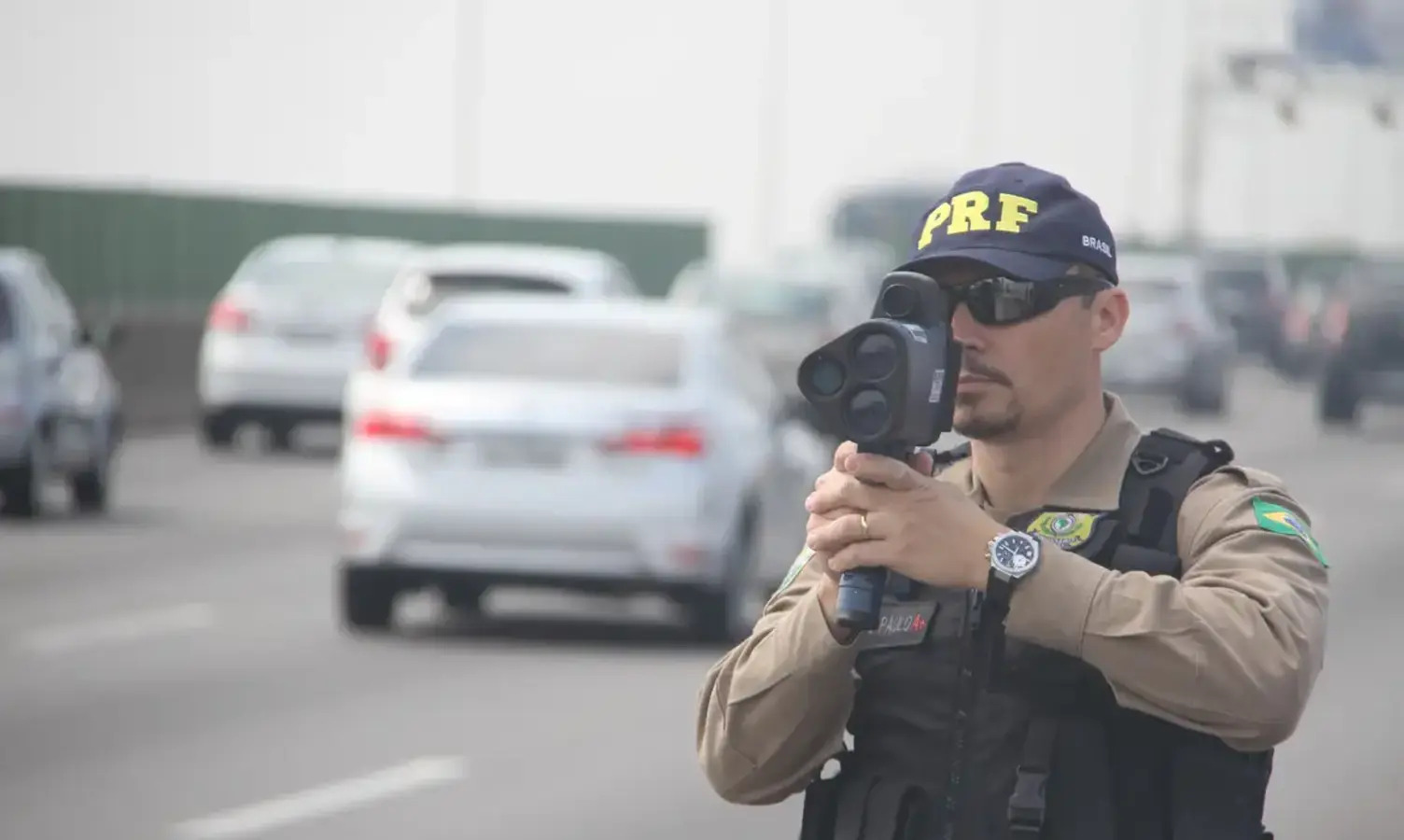
Traffic Violations Such as Speeding, Cell Phone Use, and Running Red Lights Continue to Pose a Risk to Road Safety in 2025
The Brazilian traffic faces constant challenges, and the year 2025 continues to show high rates of violations. Despite educational campaigns and intensified enforcement, many drivers still insist on disobeying the laws.
The most important thing is to understand how these behaviors compromise safety and hinder mobility on the roads.
Speeding Leads the Violations
Among the most frequent violations, speeding remains a highlight. Many drivers ignore the limits set on roads, significantly increasing the risk of accidents.
-
Survivor of 1966 SS Daniel J. Morrell Shipwreck in Lake Huron Recounts 38-Hour Ordeal in Extreme Cold

-
The Greatest Hoax in World Cup History? The Film That Denied Brazil’s 1958 Victory and Exposed How Fake Evidence Can Seem Convincing on TV
-
Fake South Korean Online Stores Offer Shopping Thrill Without Spending Money or Receiving Products
-
The War of Jenkins’ Ear: How a Severed Ear Sparked One of the 18th Century’s Most Unusual Conflicts


Recklessness results in various fines and contributes to a dangerous scenario on the roads. Therefore, respecting the limits is essential to avoid penalties and save lives.
Moreover, speeding can catch even experienced drivers by surprise. In many cases, the driver only realizes they have exceeded the limit upon receiving notification.
This reinforces the importance of constant attention to the vehicle’s dashboard and signage.
Cell Phone Use While Driving: A Costly Distraction
Another serious violation is the use of a cell phone while driving. Even with constant campaigns and alerts, many drivers do not abandon the habit of checking messages or making calls behind the wheel. This practice is considered highly serious.
The most concerning aspect is that cell phone use takes the driver’s attention away for decisive seconds. The fine for this violation is R$ 293.47 and results in 7 points on the driving license.
This shows that, in addition to the risk, the financial cost is high. Enforcement has been strengthened, but the numbers remain high.
Parking in Prohibited Areas Disrupts Traffic
Parking in improper locations is also a common practice in Brazilian cities. Many drivers ignore the no-parking signs or simply park wherever it is most convenient.
This causes disruptions, especially in high-traffic areas.
The behavior affects pedestrians, cyclists, and the flow of vehicles themselves. The most important thing is to remember that this violation directly contributes to traffic jams in already congested areas.
Even with financial penalties, disrespect continues.
Drunk Driving Remains a Serious Problem
Driving after consuming alcoholic beverages is still a concerning reality. Despite strict laws, many drivers are undeterred. This compromises the safety of everyone.
Alcohol impairs reflexes, judgment, and reaction time. Therefore, the chances of serious accidents increase significantly.
Checkpoints and educational campaigns continue, but behavioral change is still progressing slowly.
Running Red Lights Represents Immediate Risk
Finally, running a red light is one of the most dangerous violations. This behavior puts drivers, cyclists, and pedestrians at risk, especially at busy intersections. It is a clear act of recklessness.
The penalties include fines and points on the license. To combat this problem, traffic authorities are investing in technologies such as cameras and smart traffic lights. The goal is to catch offenders and reduce risks.
Therefore, respecting traffic laws is a collective responsibility.
With information from O Antagonista.





-

1 person reacted to this.