Portuguese
  Spanish


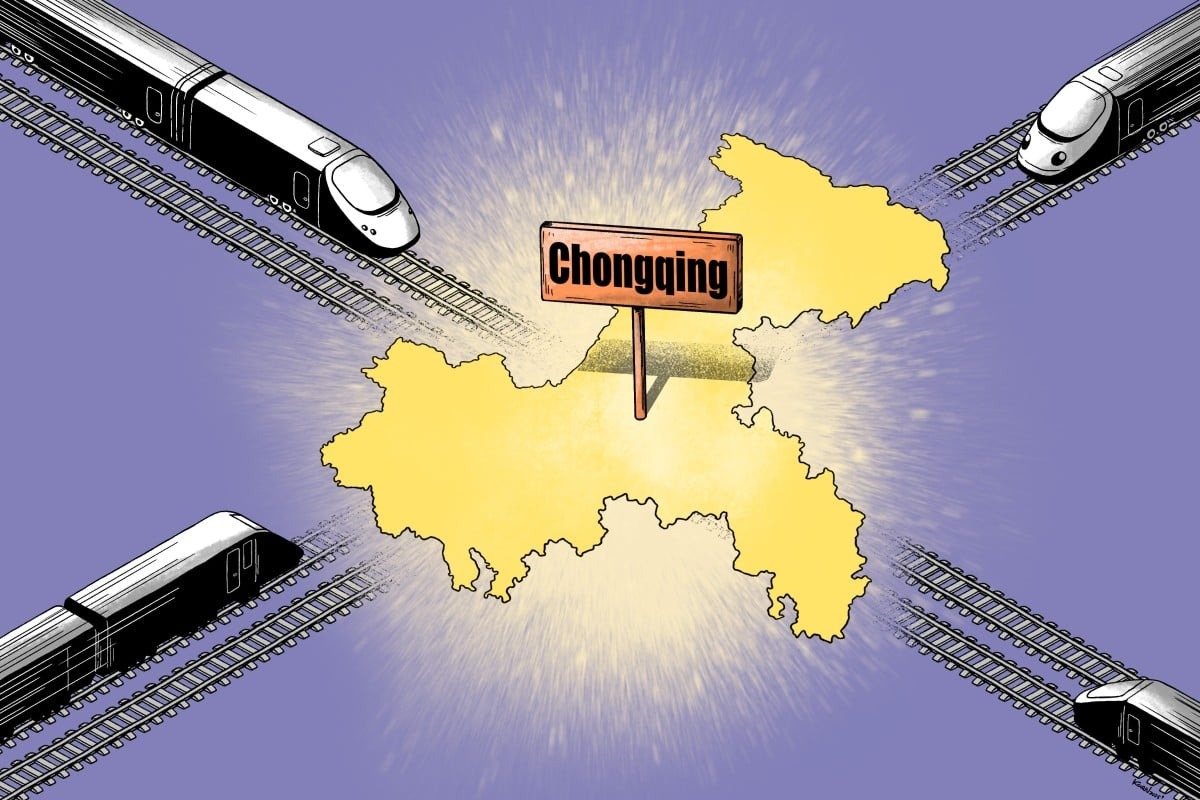

As Pressure Grows On Traditional Maritime Routes, China Accelerates Investments In Railways. In The Mountainous Interior Of The Country, Chongqing Emerges As The Center Of A New Logistical Strategy, Challenging Historical Bottlenecks In Global Trade And Gaining Nicknames That Refer To The Suez Canal.
In The Shadow Of Growing Tensions With The West, China Is Quietly Reshaping Trade Routes Between Asia And Europe. Far From The Sea, Chongqing Has Become The Center Of A Rail Network That Is Already Being Called The “Suez Canal On Rails.”
The Project Did Not Come Out Of Nowhere. Years Of Strategic Planning And Heavy Industrial Investment Transformed The Inland Megacity Into One Of Asia’s Most Important Logistics Hubs. The Movement Diminishes The Prominence Of Vulnerable Maritime Routes And Opens The Door For A New Model Of Economic Integration.
Faster Than Sea, Cheaper Than Air
According To The South China Morning Post, Chongqing Already Handles Hundreds Of Containers Every Day. The City Connects Southeast Asia, With Countries Like Vietnam And Singapore, To The Europe, To Destinations Like Germany And Poland.
-
Brazilian Fishing Couple Spends 4 Years Building Solar-Powered Floating Home on the Paraguay River, Now a Navy-Approved Vessel with Leisure Area and Tour Demand

-
While the World Opens New Airports and High-Speed Trains, Brazil Rushes to Complete Projects Stalled for 40 Years
-
Brazil Invests in Massive Waterway to Transport Soybeans by Barge, Reducing Costly Truck Reliance
-
Bridge Rebuilt in Just One Year Reconnects Two Brazilian States


The ASEAN Express, Launched In 2023, Exemplifies This Shift. It Reduced The Delivery Time Between Hanoi And Chongqing To Just Five Days. From There, Cargo Reaches Europe In Less Than Two Weeks. This Represents An Advantage Of 10 To 20 Days Compared To Maritime Transport. Furthermore, There Are Fewer Customs Bottlenecks And A Lower Environmental Impact.
The Competitive Pace Attracts Producers And Exporters. Faster Than Ships And More Accessible Than Planes, The Rail Corridor Proves To Be A Strategic Tool.
Industry And Logistics At The Same Address
Chongqing Is Not Just A Transit Point. It Is Also A Production Hub. The City Manufactures A Third Of The World’s Laptops And Houses Large Operations Related To Electric Vehicles.
Seres Automobile, A Partner Of Huawei, And The Car Manufacturer Changan Use The Local Railways To Export Their Cars. Currently, One In Every Four Vehicles Exported By China Leaves From Chongqing.
This Combination Of Factory And Rail Port Creates A Unique Advantage. China Can Vertically Integrate Its Supply Chain Without Relying On Overloaded Ports Or Foreign Shipping Companies. Thus, The Model Reduces Risks And Strengthens Internal Control.
Less Dependence On Bottlenecks And Moscow
The Initiative Is Also A Geopolitical Response. The Trade War Waged By The Trump Administration Highlighted Risks Associated With Maritime Routes Dominated By The West, Such As Suez, Hormuz, Or Malacca. The Covid-19 Pandemic, With Its Lockdowns And Congestions, Reinforced The Urgency For Alternatives.
Investing In Railways Diversifies Options And Reduces Exposure To Piracy Or Political Blockades. However, There Remains A Weak Point: Russia.
A Large Portion Of The Route To Europe Passes Through Russian Territory. The War In Ukraine And Reports Of Cargo Seizures In 2023 Increased Insecurity. Despite Bilateral Trade Reaching €240 Billion In 2024, Trust In This Corridor Has Diminished.
Therefore, China Is Betting On The So-Called Middle Corridor. It Crosses Kazakhstan And The Caspian Sea To Reach Europe Without Passing Through Russia. The Plan, However, Faces Customs Delays, High Costs, And Limited Infrastructure. These Factors Still Diminish The Attractiveness Of The Alternative.
The Challenge Of Economic Sustainability
Beyond Politics, There Is The Financial Issue. Many Of The Initial Rail Lines Of The Belt And Road Initiative Survived Thanks To Public Subsidies. Now, These Incentives Are Dwindling.
Without State Support, Tariff Competitiveness And Customs Efficiency Become Crucial. To Keep The “New Suez” Viable, China Needs The Cooperation Of Partners. ASEAN And Central Asian Countries Are Essential To Simplify Borders And Ensure Transparency In Tariffs.
At The Same Time, Beijing Is Monitoring Changes In The Arctic. Accelerated Melting Could Enable, In The Next Decade, A Polar Silk Road. This Shipping Route Would Reduce The Time To Europe Without Relying On Points Controlled By The West. Still, Currently, Trains Represent The Most Realistic Bet.
Model For The Future
The Rail Transport Of Chongqing Still Needs To Prove Its Profitability. If The Experience Proves Scalable, Other Regions Of The Chinese Interior May Follow The Same Path.
The Impact Goes Beyond Logistics. It Is A Restructuring Of The Chinese Commercial Philosophy. The Idea Is Clear: Control What Is Possible, Diversify What Is Not, And Move Away From Strategic Bottlenecks.
There Are No Giant Ships Or Oil Tankers. What Drives The Transformation Are Electric Trains Crossing Continents, Connecting Factories, Buyers, And Political Decisions. If Successful, Chongqing Will No Longer Be Just A Station. It Will Become A Reference For A New Global Trade Infrastructure In A Fractured, Unstable World That Is Increasingly Impatient With The Sea.