






 Portuguese
  Spanish


Discovery In Egypt A Lost Golden City For Millennia, Offering New Clues About The Egyptian Civilization And Its Splendor In Ancient Times
Archaeologists in Egypt have discovered the “Lost Golden City“, an ancient gold mining center that is 3,000 years old, after four years of excavations. The discovery was made under the Valley of the Kings in Luxor, at Jabal Sukari, in the Red Sea province.
The settlement, named Aton, was found in 2020, but its excavation was only recently completed. The city has been recognized as one of the most significant archaeological discoveries since the tomb of Tutankhamun, which was discovered over a century ago.
The preservation of the structures has surprised experts. Houses, workshops, administrative buildings, temples, and baths were found in excellent condition. An ancient mining camp was also discovered, with a complete facility for gold extraction.
-
Extreme Heat in Antarctica Sets Record 15.4°C at Esperanza Base in June, Raising Concerns Among Scientists with Temperatures 20°C Above Normal, Rain Instead of Snow, and Unusual Melting Transforming the White Continent’s Landscape

-
UFG’s Innovative Use of Air Conditioner Drip Saves 400 Liters of Water Daily in Brazilian Public Building
-
China Builds Underwater Wall After Discovering Technology That Could Shift Military Balance in the Pacific, Study Reveals Why the Asian Power Reacted Now

-
After Over 8 Months in a Simulated Mars Habitat in Houston, 4 NASA Volunteers Communicate Almost Silently and Will Exit in October


Advanced Mining Infrastructure
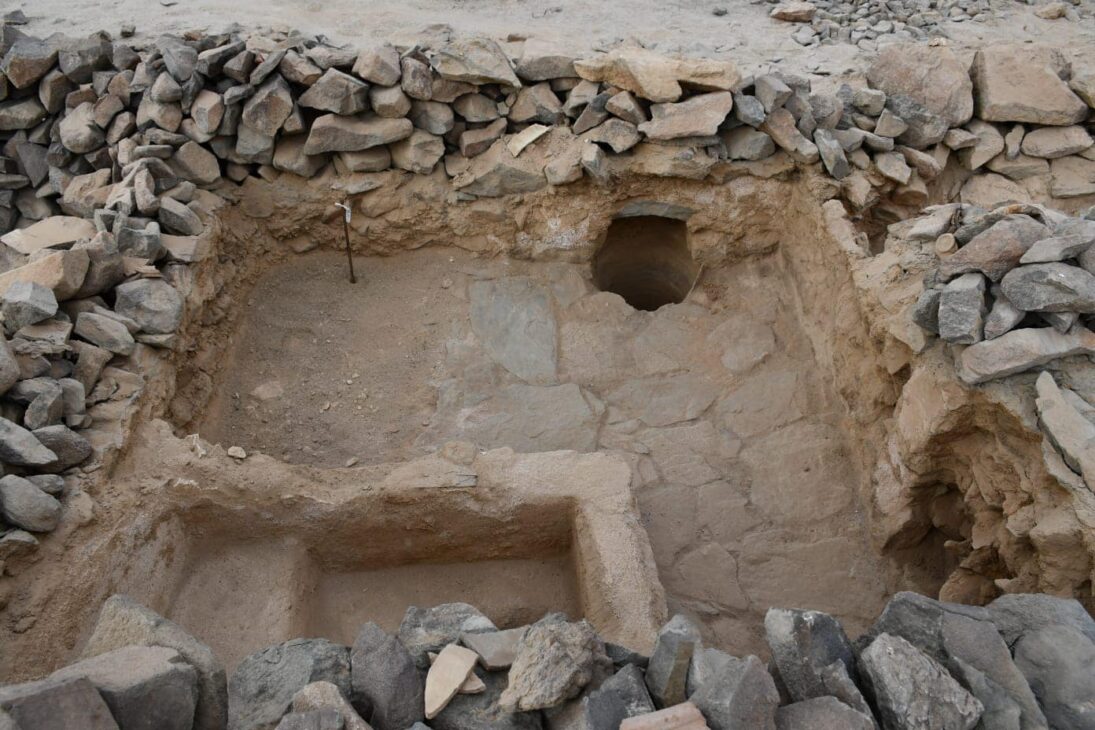
The city housed a sophisticated gold extraction system. Archaeologists identified crushing and grinding stations, filtering basins, and sedimentation pools. These structures were used to refine gold extracted from quartz veins.
The Egyptian Ministry of Tourism and Antiquities reported that all architectural elements of the site were documented and relocated to a safer area, three kilometers north of Sukari Mine. The goal was to preserve the historical findings and avoid impacts from modern mining operations.
Origin and Historical Context
Aton dates from the reign of Amenhotep III, the ninth king of the 18th Dynasty of Egypt, who ruled between 1391 and 1353 B.C. The discovery revealed artifacts from later periods, including the Roman era (30 B.C.–639 A.D.) and the Islamic era (642–1517 A.D.).
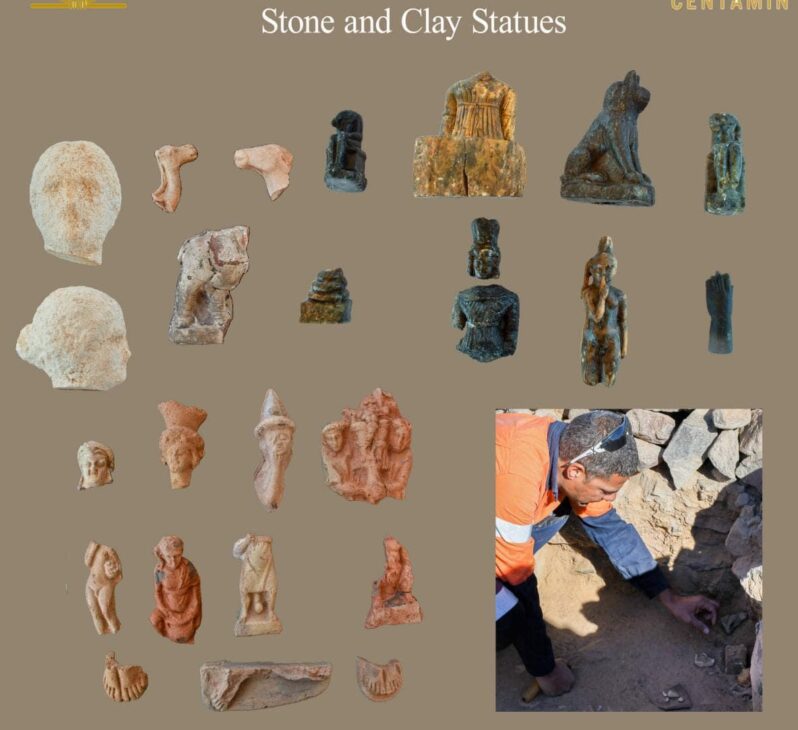
Among the findings, 628 ostraca inscribed with hieroglyphic, demotic, and Greek texts were discovered, along with bronze coins from the Ptolemaic period. Terracotta figurines representing humans and animals from the Greco-Roman period were also unearthed.
Additionally, archaeologists discovered small statues of Bastet and Harpocrates, five Ptolemaic offering tables, and fragments of pottery used in daily life. Perfumes, medicines, and incense were also found at the site.
Multicultural and Prosperous City
Aton was a prosperous and multicultural city, active for centuries. Experts believe that gold mining provided material for the decoration of palaces, bodies, and tombs of Egyptian dynasties.
The site contained a collection of precious stone beads and decorative items made from shells. This suggests that there was a sophisticated trade network between the inhabitants of the city and other regions of Egypt and beyond.
Importance of the Discovery
The Ministry of Tourism and Antiquities stated that the discovery enhances the understanding of the techniques used by ancient Egyptians to extract gold from rocks. According to researchers, the findings provide valuable information about the mining industry and the lives of workers at that time.
The excavation also revealed aspects of the social, religious, and economic life of the inhabitants of industrial cities in the Eastern Desert during different historical periods.
Excavation Process
Zahi Hawass, an archaeologist and former Minister of Tourism and Antiquities of Egypt, led the team responsible for the excavation. According to him, in the early weeks of the project, mudbrick formations began to emerge from the ground.
The settlement was in good condition, with almost complete walls and rooms filled with everyday tools. The discovery caught the attention of Egyptian authorities, who coordinated the restoration and documentation of all elements found.
Dissemination and Public Access
To ensure the preservation of the discovery, the architectural elements were transferred to a safe location. A life-size replica of the mining camp was built in an area of six acres, allowing visitors to learn more about the site.
The visitor center features large display screens showcasing the excavation process and discovered artifacts. Among the exhibited items are statues, pottery, and other historical objects found in the city.
Now, the archaeological site is open to researchers and the public. Informational panels have been installed to provide details about the history of the region and its significance in gold mining in Ancient Egypt.
With information from Interesting Engineering.






A precisão da data nos surpreende,
Para Deus foi , ontem.