






 Portuguese
  Spanish


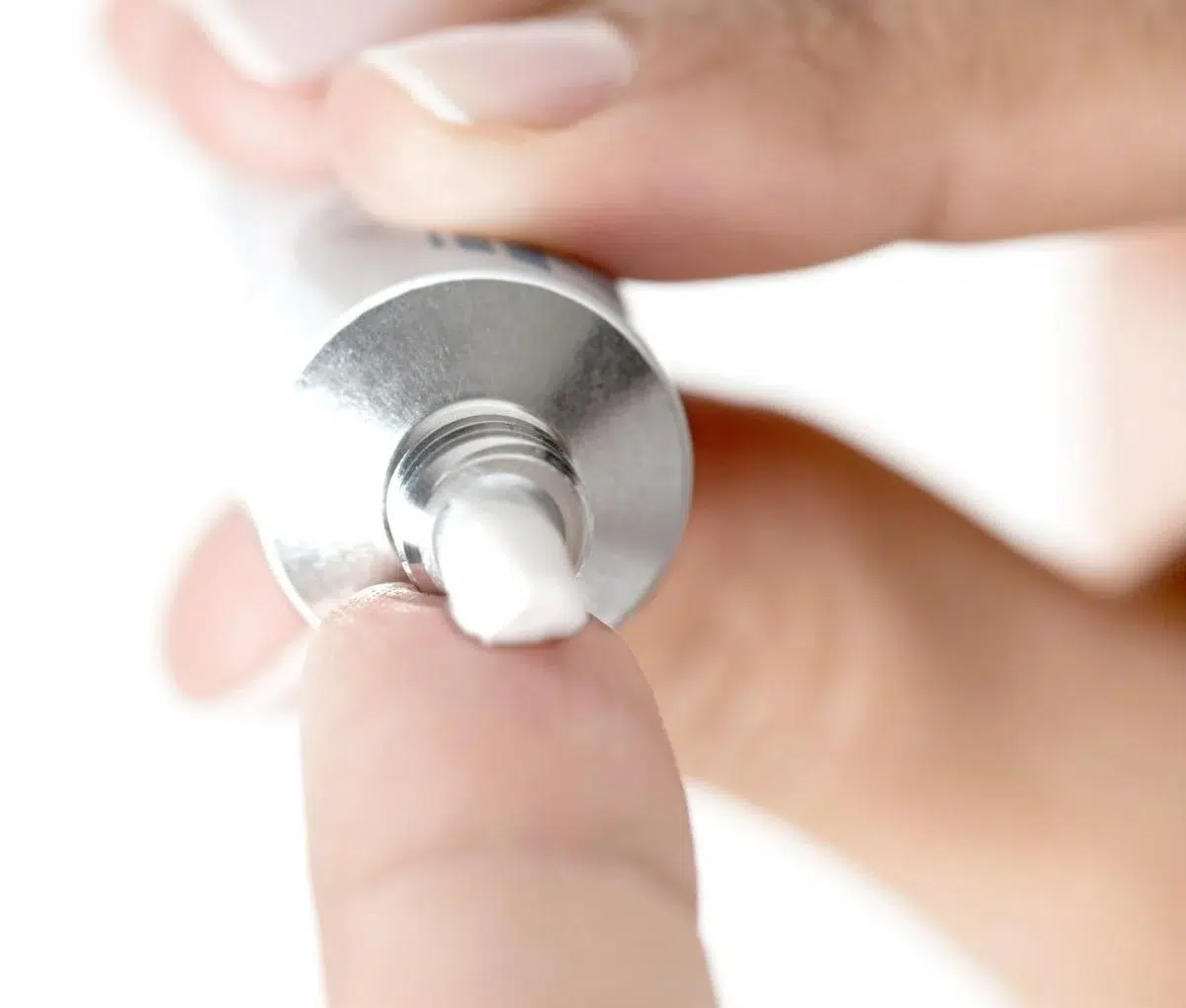

Painless Vaccine Created by Stanford Scientists Is Applied by Rubbing on the Skin, Eliminating Needles and Making Immunization More Accessible
Imagine a future where vaccination no longer requires needles, syringes, or long lines. Scientists from Stanford University have made an important step in that direction by developing a live, painless vaccine that can be applied to the skin simply by rubbing on a cream.
The innovation utilizes a common skin bacterium to trigger an effective immune response against serious diseases like tetanus and diphtheria.
This discovery could change how we vaccinate millions of people around the world, improving access and increasing uptake, especially among children and those who fear needles.
-
China Develops Custom 140-Ton Electric Mining Truck with 770 kWh Swappable Battery, Deploys 290 Units in Xinjiang’s Largest Zinc Mine

-
Meta to Launch Arena, a New Prediction App Targeting 3.56 Billion Users, Competing with Polymarket and Kalshi

-
Scientist Challenges Famous Human Evolution Theory, Argues Homo Sapiens Evolved Gradually Over Thousands of Years
-
15-Year-Old American Builds Ocean Generator with PVC Pipe and 3D-Printed Propeller for $12, Wins National Prize, Presents at White House, and Makes Forbes 30 Under 30 List




With human testing scheduled for the coming years, the scientific community is closely monitoring the advances of this technology.
The Role of Skin Bacteria
The human skin is a challenging environment for microorganisms. It is dry, salty, and has few available nutrients. Even so, some bacteria manage to survive in this setting.
Among them is Staphylococcus epidermidis, a harmless species found on the skin of nearly everyone. Stanford researchers discovered that the immune system reacts intensely to this bacterium, producing specific antibodies.
This natural immune response inspired scientists, who decided to genetically modify the bacterium to train the body to defend itself against pathogenic agents.
Michael Fischbach, a bioengineering professor and lead researcher, highlights that most people dislike needles and that the prospect of replacing an injection with a simple cream is a very appealing idea.
The Experiment With Mice
Initial tests were conducted on mice. The team dipped a cotton swab in a solution containing the bioengineered bacterium and gently rubbed it on the animals’ skin. The immune system responded impressively.
After six weeks, the mice developed elevated levels of antibodies against tetanus toxins. They were then exposed to lethal doses of these toxins. The mice that received the modified version of the bacterium survived, while those that received the natural version succumbed.
This immune response persisted even after a few applications, suggesting robust and lasting protection. The scientists also inserted the gene responsible for diphtheria toxin, obtaining equally promising results.
Why Does It Work?
The key to the vaccine’s success lies in the Aap protein, present on the surface of S. epidermidis. This protein acts like a “tree,” with branches extending outward from the bacterial cell.
Sentinel cells of the immune system, called Langerhans cells, capture these proteins and present their characteristics to other defense cells. This way, the body learns to recognize the invader and react quickly in case of a real infection.
In addition to stimulating antibodies in the blood, known as IgG, the vaccine promotes the production of IgA, which is concentrated in the mucous membranes of the respiratory tract. This action may help protect against pathogens that enter through the nose, such as the flu virus and the coronavirus.
Future Testing and Challenges
The next step involves testing the vaccine in monkeys to verify its efficacy and safety in organisms closer to humans. If the results are positive, clinical trials could begin within two to three years.
The researchers have already confirmed the vaccine’s functionality in mice and now need to demonstrate that the same effect occurs in primates and, subsequently, in humans.
Large-scale production is another important point. The researchers have managed to chemically attach the tetanus toxin fragment to the Aap protein, streamlining the process. Surprisingly, even after the bacteria were divided, antibody production remained high, indicating potential for efficient and cost-effective manufacturing.
Impacts for the Future
If the topical vaccine proves safe and effective, it could especially benefit remote areas and developing countries, where the infrastructure for vaccination campaigns is often lacking.
The simple application, without the need for trained professionals to administer injections, could significantly increase vaccination coverage.
Additionally, the technology is not limited to tetanus and diphtheria. Researchers believe that the method can be adapted to protect against a variety of diseases, including respiratory infections and even parasitic infections.
This approach could also alleviate the fears of those who are afraid of needles, a factor that prevents many from getting vaccinated. With a simple cream applied to the skin, physical and psychological discomfort disappears, facilitating adherence to immunization campaigns.
Study published in the journal Nature. With information from scitechdaily.






