






 Portuguese
  Spanish
  3 min of reading
  1 comment


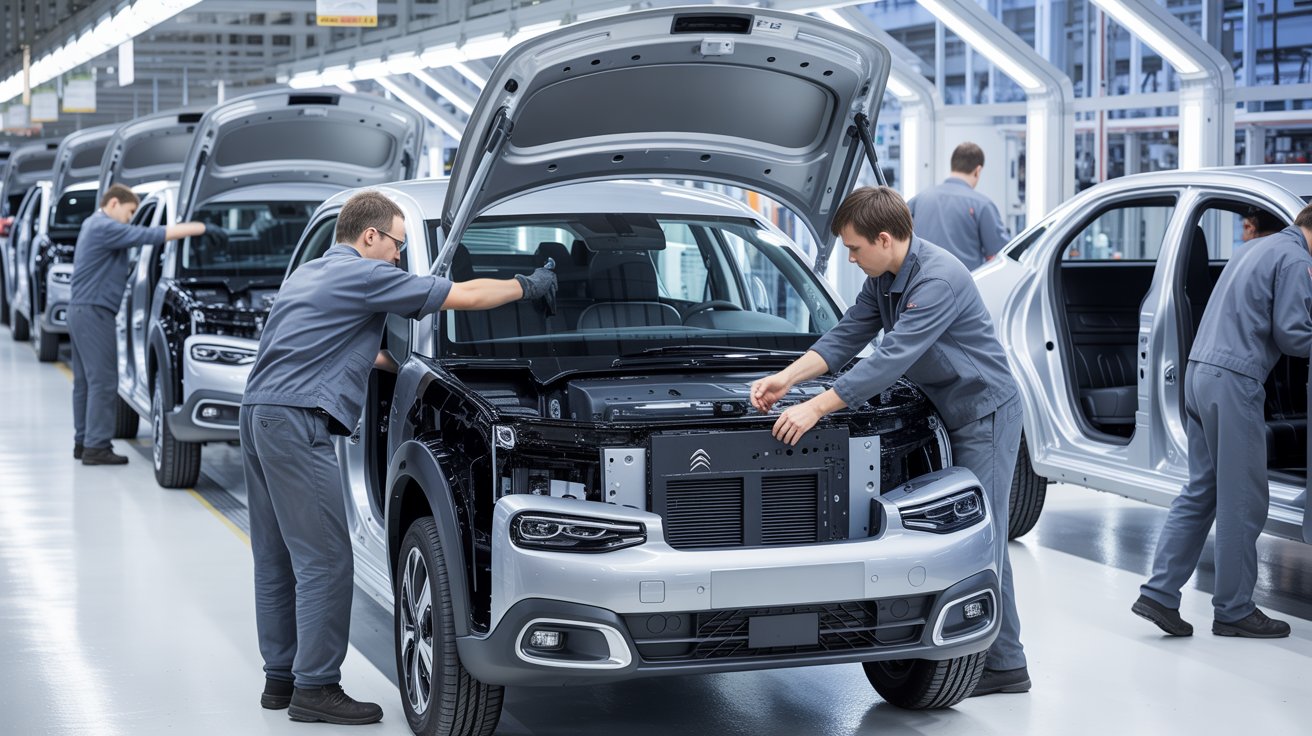

Citroen Basalt Arrives in India Priced at R$ 53 Thousand.
With an initial price of just 799,900 rupees, equivalent to about R$ 53 thousand in direct conversion, the Basalt belongs to the category of models from major manufacturers like Volkswagen, Hyundai, and Jeep. In Brazil, the entry-level Basalt costs R$ 92,990.
The Citroen Basalt is part of the French automaker’s global strategy to expand its presence in emerging markets like India.
Derived from the C-Cubed project, the SUV-coupe uses the CMP (Smart Car) platform, already known for the models C3 and C3 Aircross, and was developed with a focus on accessibility and efficiency.
-
Uber Faces Shareholder Scrutiny as Board Accused of Ignoring Safety, Compliance, and Harassment Warnings Amid Over 3,500 U.S. Lawsuits

-
Ferrari’s First Electric Car Divides Fans, Priced at $630,000, Amid Concerns Over Limited Editions; Brand Clarifies It’s Not Just for Future Perks
-
BYD Dolphin Mini: The Electric Car That Defies Depreciation, Losing Only 3.58% in a Year and Becoming the Best-Selling Retail Model Under $22,000

-
Electric Car JAC E-JS4 Loses $19,000 in Value in One Year, Leading Record Depreciation of Used Cars in Brazil Due to Expensive Battery and New Models


In India, the Basalt is available in four configurations: You, Plus, Turbo Plus, and Turbo Max, each catering to different consumer profiles.
The You model, for example, is the most affordable version and comes with an extremely competitive price of approximately R$ 52,300.
Despite the attractive price, the entry-level version does not include some comfort items, such as hubcaps, multimedia system, or fog lights. However, it offers a range of safety features, including 6 airbags, electronic stability control (ESP), Isofix mounts, and rear parking sensors.
The more sophisticated Turbo Plus and Turbo Max versions come with a generous list of equipment. These models include 16-inch alloy wheels, LED headlights, automatic air conditioning, more comfortable seats with armrests, air vents for rear passengers, and a multimedia center with a 10.2-inch screen. All of this makes the Basalt an attractive option for those looking for a well-equipped vehicle without spending too much.
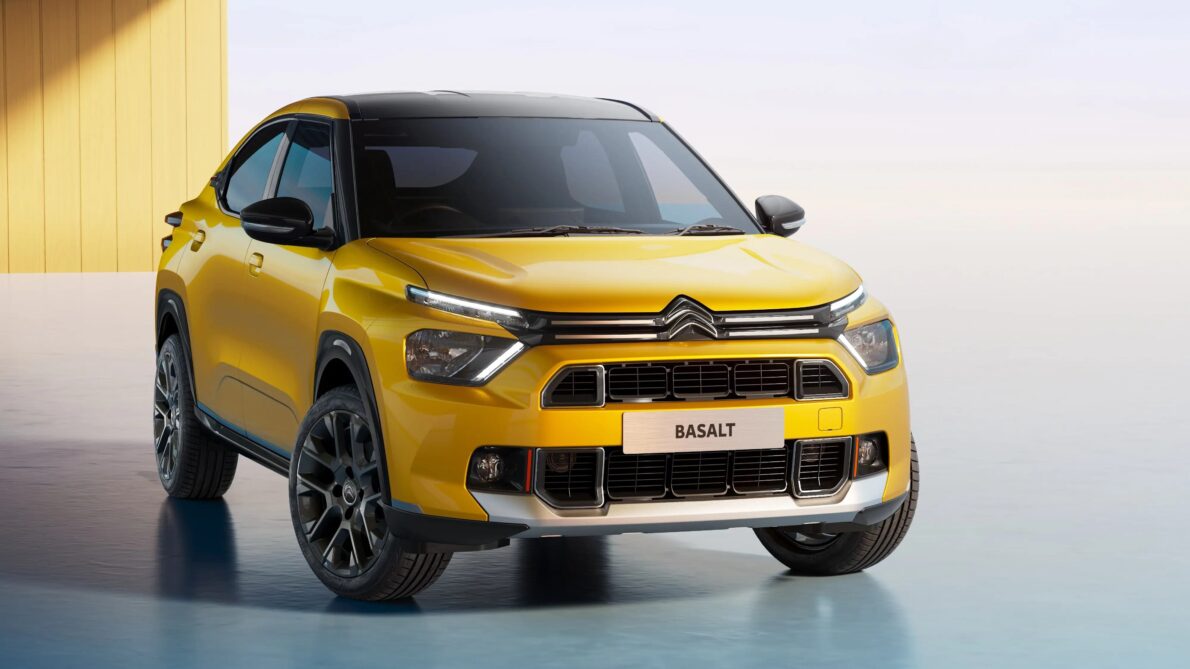
Performance That Surprises
Under the hood, the Basalt offers two engine options for the Indian market. The basic versions come with a 1.2-liter 3-cylinder aspirated engine capable of generating 82 hp, combined with a 5-speed manual transmission.
The more complete configurations have a turbo version of the same engine, delivering 110 hp, with options for a 6-speed manual or 6-speed automatic transmission. The traction is always front-wheel drive, ensuring safe and economical driving.
Dimensions and Practicality
The Citroen Basalt measures 4,352 mm in length, 1,765 mm in width, and 1,593 mm in height, with a wheelbase of 2,651 mm.
These dimensions ensure a comfortable interior space for passengers, as well as a trunk with a capacity of 470 liters, ideal for trips and daily use.
The front suspension is of the McPherson type, while the rear is semi-independent with a torsion beam, providing a balance between comfort and stability.
Expectations for Brazil
With the success of the Basalt in India, Citroen is already preparing for its arrival in the Brazilian market. Here, the model is expected to be equipped with a 1.0 turbo flex engine producing 130 hp, similar to what already powers other Stellantis models, such as the C3 Aircross.
This engine will be coupled with a CVT automatic transmission, promising a combination of performance and efficiency.
What about the price? It is estimated that the Basalt will arrive in Brazil with an initial price around R$ 100 thousand, which could place it in a competitive position against rivals like Volkswagen Nivus, Hyundai Creta, and Jeep Renegade.
The production of the Basalt for the Brazilian market will be carried out at the Porto Real (RJ) plant, which is already receiving an investment of R$ 3 billion for the manufacturing of new models. It remains to be seen if the SUV-coupe will replicate its Indian success here and win over the demanding Brazilian audience.
Does the Citroen Basalt have what it takes to stand out in Brazil with its competitive pricing and cutting-edge technology? Share your opinion in the comments!





1