Portuguese
  Spanish


With High Growth, Checked Baggage Fees Consolidate as a Significant Source of Revenue for Airlines, but Anger Consumers and Politicians
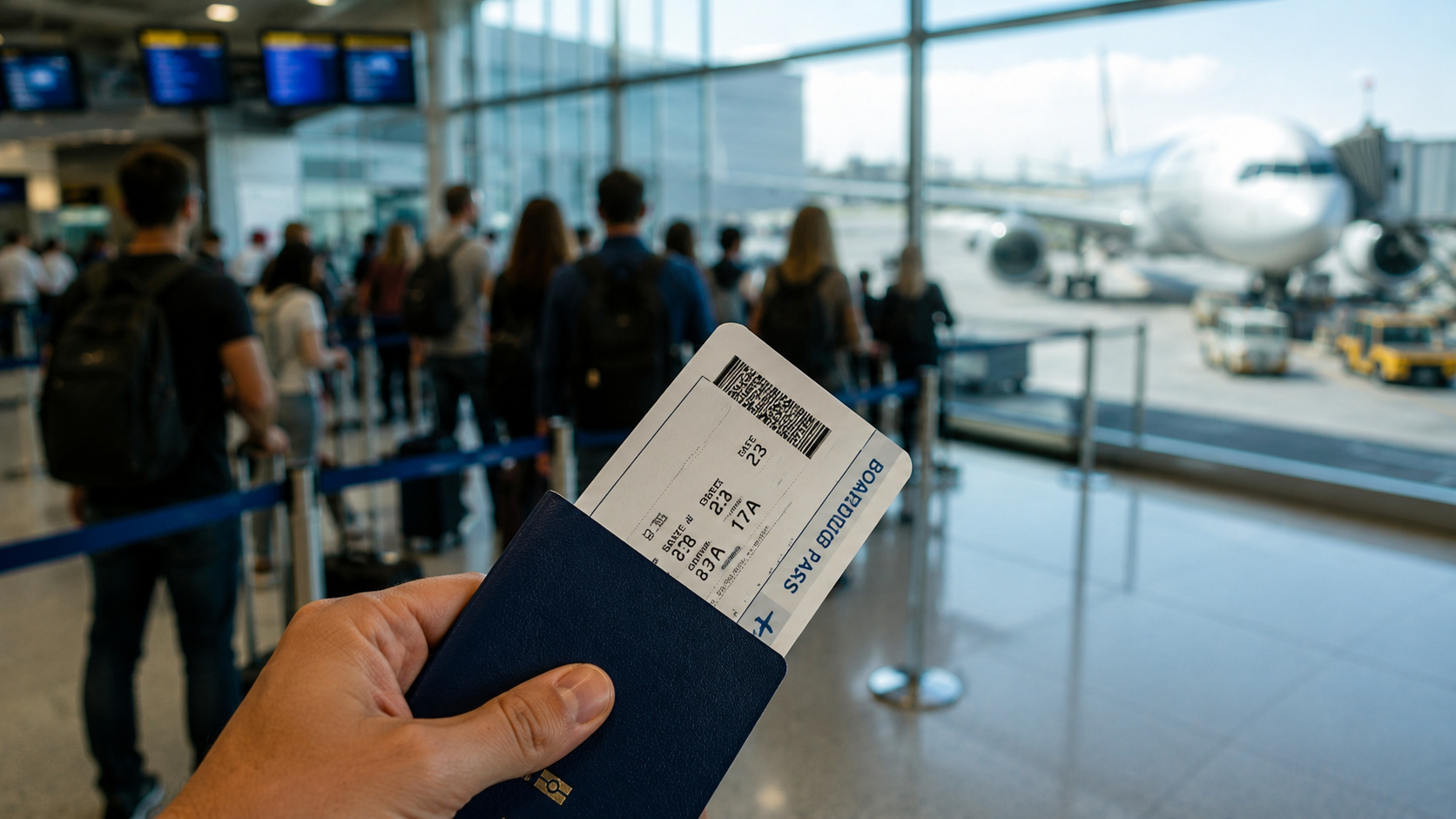
Since the first charge for checked baggage, made in 2006 by the British company FlyBe, the aviation market has undergone a profound transformation.
The practice began with symbolic fees between R$ 15 and R$ 30. It quickly spread among low-cost carriers and then reached traditional airlines.
A significant milestone occurred in 2008 when American Airlines introduced a fee of US$ 15 for baggage on domestic flights.
-
Brazil Welcomes Spanish Wamos Air and Nigerian Air Peace, Potentially Transforming International Routes and Increasing Competition

-
Offshore air transport soars in Brazil, surpasses 2.5 million passengers, and reveals how oil has transformed Rio’s airports into key pieces of national logistics.

-
Latin America becomes the “global champion” of aviation taxes, tickets may become more expensive in Brazil, and IATA’s warning exposes risk for flights, tourism, and passengers.
-
Brazil has lost 85 air routes since 2019 and is still flying less than before the pandemic, leaving passengers with fewer destinations, fewer frequencies, and a more limited air network.


This movement solidified the trend in the United States.
In Brazil, the charge began in 2017. Currently, the fee for the first suitcase costs between R$ 60 and R$ 160, depending on the airline.
According to the International Air Transport Association, ancillary revenue that includes baggage, reserved seats, upgrades, and additional services is expected to reach US$ 145 billion in 2024.
This amount represents 14% of global aviation revenue. In 2023, the figure was US$ 137 billion.
Only in the United States, airlines collected US$ 7.27 billion from baggage in 2023. This surpassed the US$ 7 billion of 2022 and the US$ 5.76 billion of 2019.
With extra costs rising, consumer dissatisfaction has also grown. In December 2023, U.S. senators called industry executives for a public hearing.
Passenger Dissatisfaction Rises
During the session, a Democratic senator labeled the fees as “junk fees,” or “excessive fees”. He called for stricter regulations from the federal government.
Despite the pressure, the U.S. Department of Transportation has not yet officially commented on the issue.
Meanwhile, passengers are seeking alternatives. Lauren Alexander, 24, traveled from Boston to Toronto carrying only a backpack.
She avoided paying US$ 200 for checked baggage.
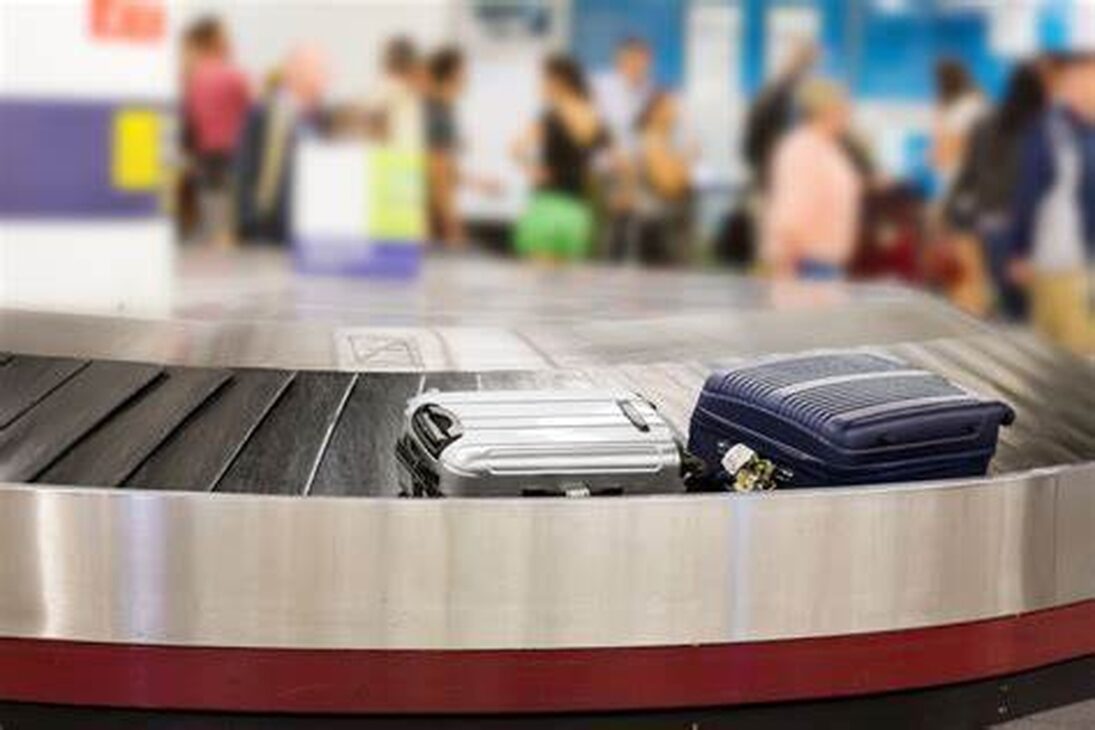
This behavior has become increasingly common. More and more people are opting for carry-on bags to avoid additional costs.
The British manufacturer Antler, for instance, has seen an increase in sales of small luggage since April.
Social Media Drives Behavioral Change
Simultaneously, digital content about luggage organization has gained traction. Journalist Chelsea Dickenson creates videos on travel hacks and has amassed around one million followers on TikTok.
She claims that videos about compact luggage have more reach than content about international itineraries.
According to Dickenson, this type of post has become a central part of her work on social media.
She highlights that simple videos, such as testing a cheap suitcase at the airport, generate more engagement than videos about major trips.
This phenomenon reinforces the trend of minimalist travel. Furthermore, it increases pressure on the industry to offer less costly alternatives to passengers.
Carry-On Bag Charges Intensify Controversies
Despite the criticism, some airlines have increased their charges. Ryanair, for example, allows only one small bag under the seat for free.
Anyone wishing to bring a larger suitcase, even in the cabin, must pay.
Other companies, such as Easyjet, Norwegian, Transavia, Volotea, Vueling, and Wizzair have adopted similar measures.
In May 2024, the European Consumer Organization (Becu) filed a complaint with the European Commission.
The organization cites a decision from the European Court in 2014. The ruling states that carry-on baggage, within reasonable limits, cannot be charged separately.
However, there are still questions about what defines “reasonable requirements.” This keeps a gray area that allows flexible interpretations by companies.
Companies Try New Models to Address Criticism
On the other hand, some airlines adopt different strategies. The Indian company IndiGo, for example, does not charge for checked luggage.
According to CEO Pieter Eibers, the policy aims to avoid queues and conflicts at boarding gates.
Moreover, the company’s planes are ready for their next flight in about 35 minutes.
The IndiGo philosophy shows that it is possible to balance efficiency with respect for the customer.
Thus, while extra fees ensure profit, consumer resistance and public criticism grow.
Authorities and passengers are becoming increasingly vigilant. The current model may reach a turning point soon.