Portuguese
  Spanish


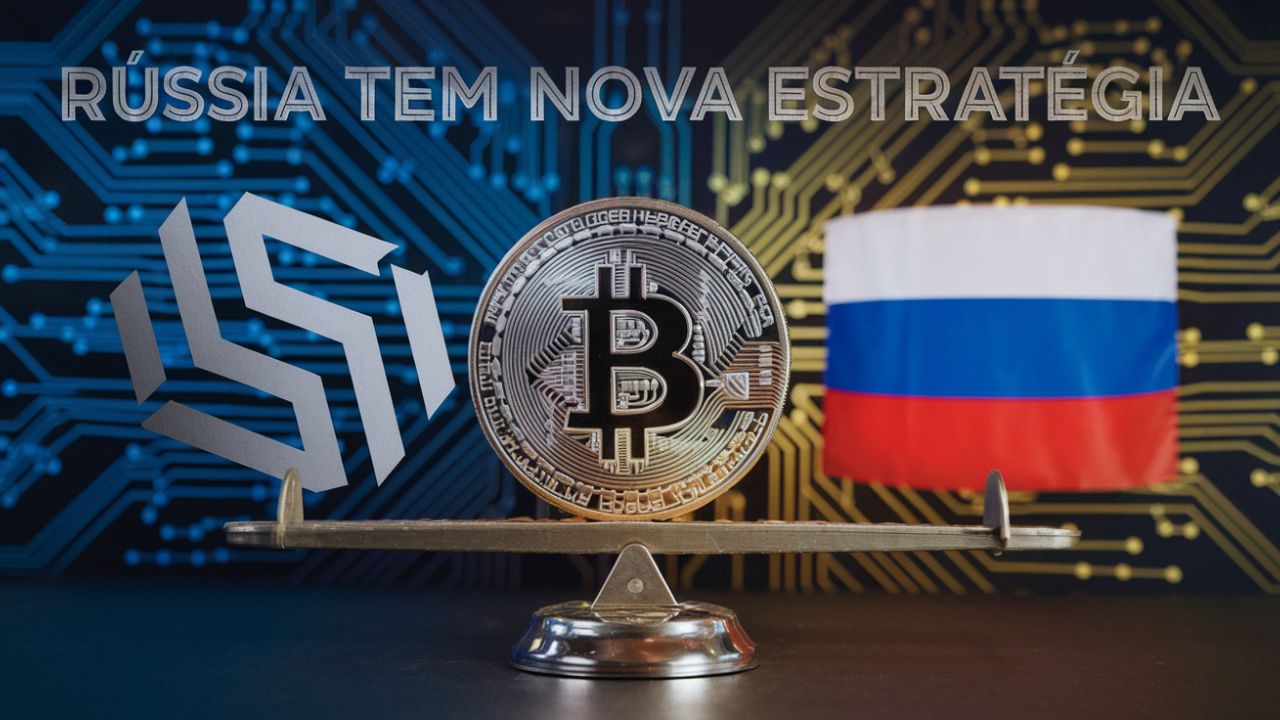


After Being Expelled From The SWIFT System And Facing Thousands Of International Sanctions, Russia Bets On Cryptocurrencies To Maintain Its Financial Transactions And Challenge The Economic Isolation Imposed By The West.
Cryptocurrencies, often associated with speculation, are being rediscovered by Russia as a tool for international trade. In a bold move, the country seeks to bypass economic sanctions through a decentralized financial system. But will this strategy work?
The Impact Of Economic Sanctions On Russia
Since the invasion of Ukraine in 2022, Russia has faced a barrage of sanctions from countries like the United States, Japan, and EU members. The blocking of the SWIFT system, essential for global banking transactions, has isolated Russian banks from the world economy.
To understand the gravity of this, think of SWIFT as a highway for international transfers. Without access, Russia has been restricted to alternative routes, often slow or unviable. Although it has created its own system, the SPFS, it is primarily used within the country, limiting its effectiveness for global transactions.
-
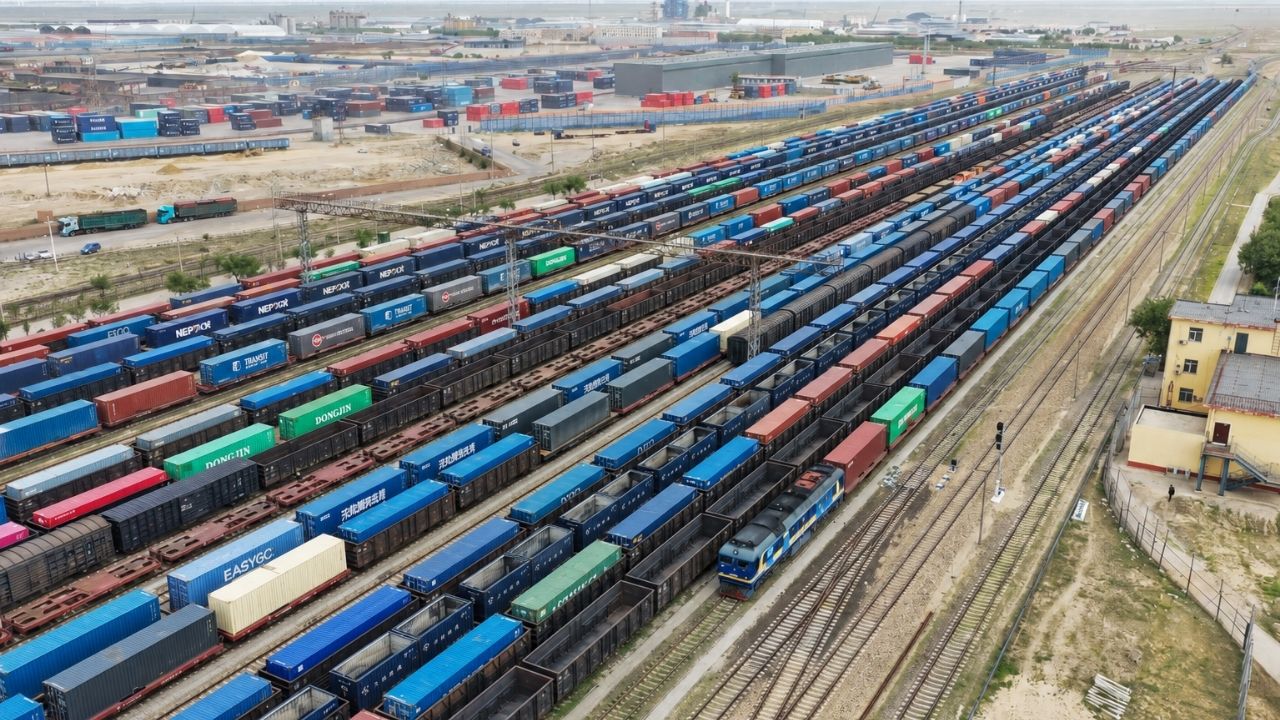
Chinese Rail Port in Inner Mongolia Surpasses 25,000 China-Europe Trains, Connecting 75 Routes Across Over 10 Countries, Showcasing Central Corridor as a Strong Land Alternative to Long Sea Routes

-
Brazilian State Government Establishes New Fire Brigade Battalion with $74 Million Investment

-
Brazil Imports 85% of Its Fertilizers, Races to Reduce Reliance on Russia and China
-
8-Year-Old Girl Launches Candy Business with Savings, Now Earning Up to $700 Monthly



The Role Of Cryptocurrencies In The Current Scenario
Without traditional options, Russia has turned its gaze to cryptocurrencies. Unlike fiat currencies, such as the dollar or euro, they operate without intermediaries, using blockchain technology to validate transactions.
Recently, the Russian government approved a law allowing registered companies to use cryptocurrencies for international trade. In addition, it regulated the mining of digital assets, enhancing transaction validation. This represents a significant shift in stance, considering that until 2020, the use of cryptocurrencies in the country was restricted.
The Challenges Of Using Cryptocurrencies In International Trade
Although it seems like a promising solution, using cryptocurrencies in global trade presents obstacles. To start, not all countries accept payments in cryptocurrencies. This means that, even if Russia is willing, the other party must also be equally open.
The Russian government has imposed limits on the use and mining of cryptocurrencies. Regions with energy deficiencies, for example, are prohibited from mining for six years. In other words, there is significant state control over a tool that should be decentralized.
Advantages And Risks Of The Cryptographic Path
Cryptocurrencies offer flexibility and a certain opacity in transactions, making them attractive for circumventing sanctions. However, this opacity can also create distrust among trading partners and attract international scrutiny.
Another risk is volatility. Cryptocurrencies are notoriously unstable, which can make it difficult to price goods and services consistently. If global acceptance doesn’t grow, Russia’s plan may end up being another dead end.
By betting on cryptocurrencies, Russia has opened a new front to face economic sanctions. However, this strategy depends on a combination of international acceptance and the internal capacity to control an essentially decentralized system.
Will the country be able to transform a speculative tool into a pillar of global trade? Only time will tell. Meanwhile, the world watches this unusual financial experiment closely.