Portuguese
  Spanish


Discover How the Growth of Investments in Sustainable Energy Transforms Markets, Drives Innovation, and Strengthens the Global Energy Transition Strategically.
The global energy landscape is undergoing an unprecedented transformation, primarily because the growth of investments in sustainable energy is intensifying year after year.
Moreover, governments, companies, and investors have directed significant resources to clean sources, such as solar energy, wind energy, hydropower, and biofuels. This illustrates that the energy transition has ceased to be merely an environmental necessity and has become an economic and technological strategy.
Historically, the global energy matrix relied heavily on fossil fuels, such as coal, oil, and natural gas; however, for much of the 20th century, these resources sustained industrial growth and increased energy availability.
-
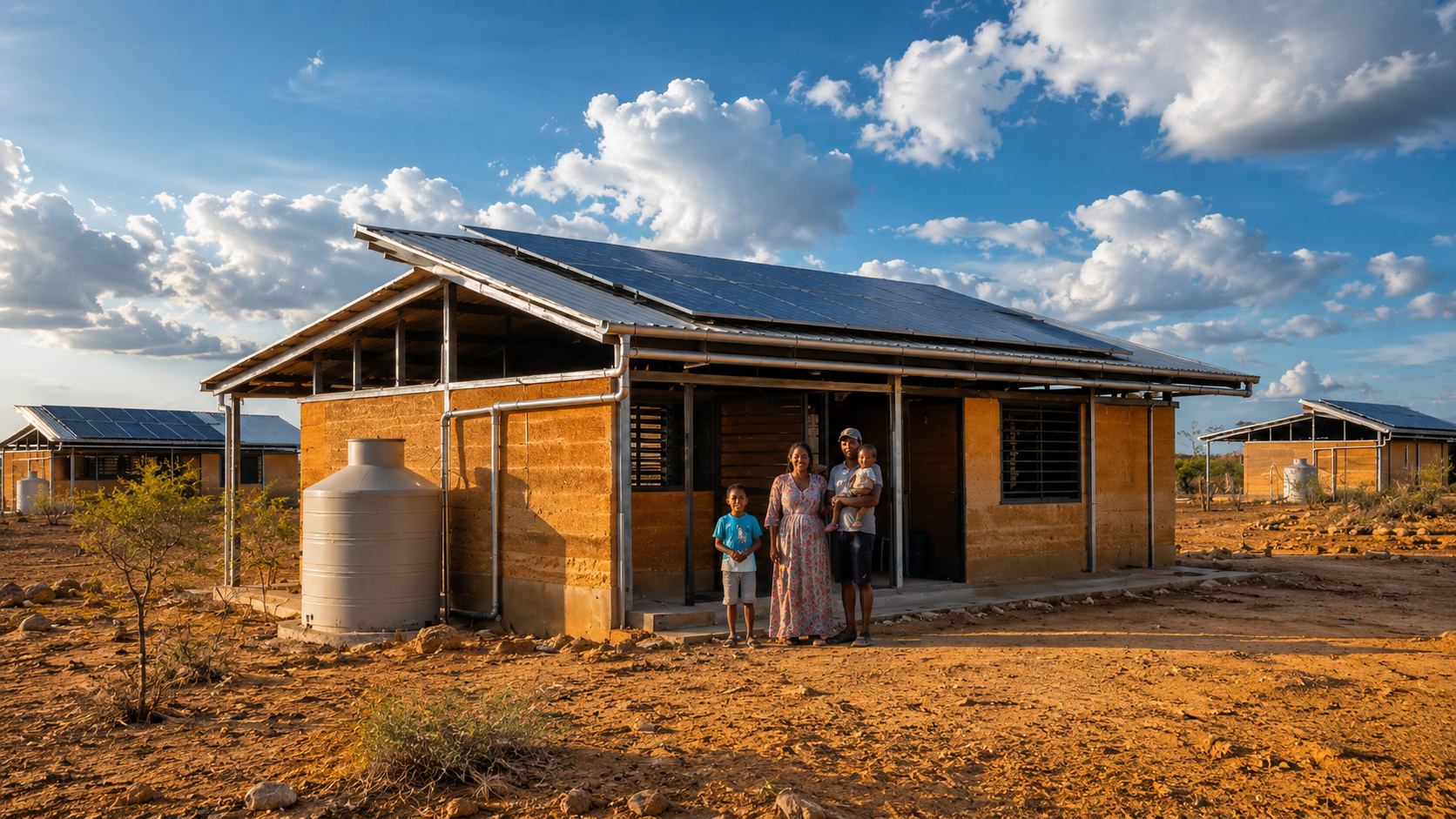
In Colombia’s desert, 30 families receive 80 m² homes with solar panels, waterless toilets, and rainwater collection systems amid water and energy shortages.

-
Engie Secures 10-Year Use of 625 MWh in Batteries to Store Excess Solar and Wind Energy in Spain by 2028
-
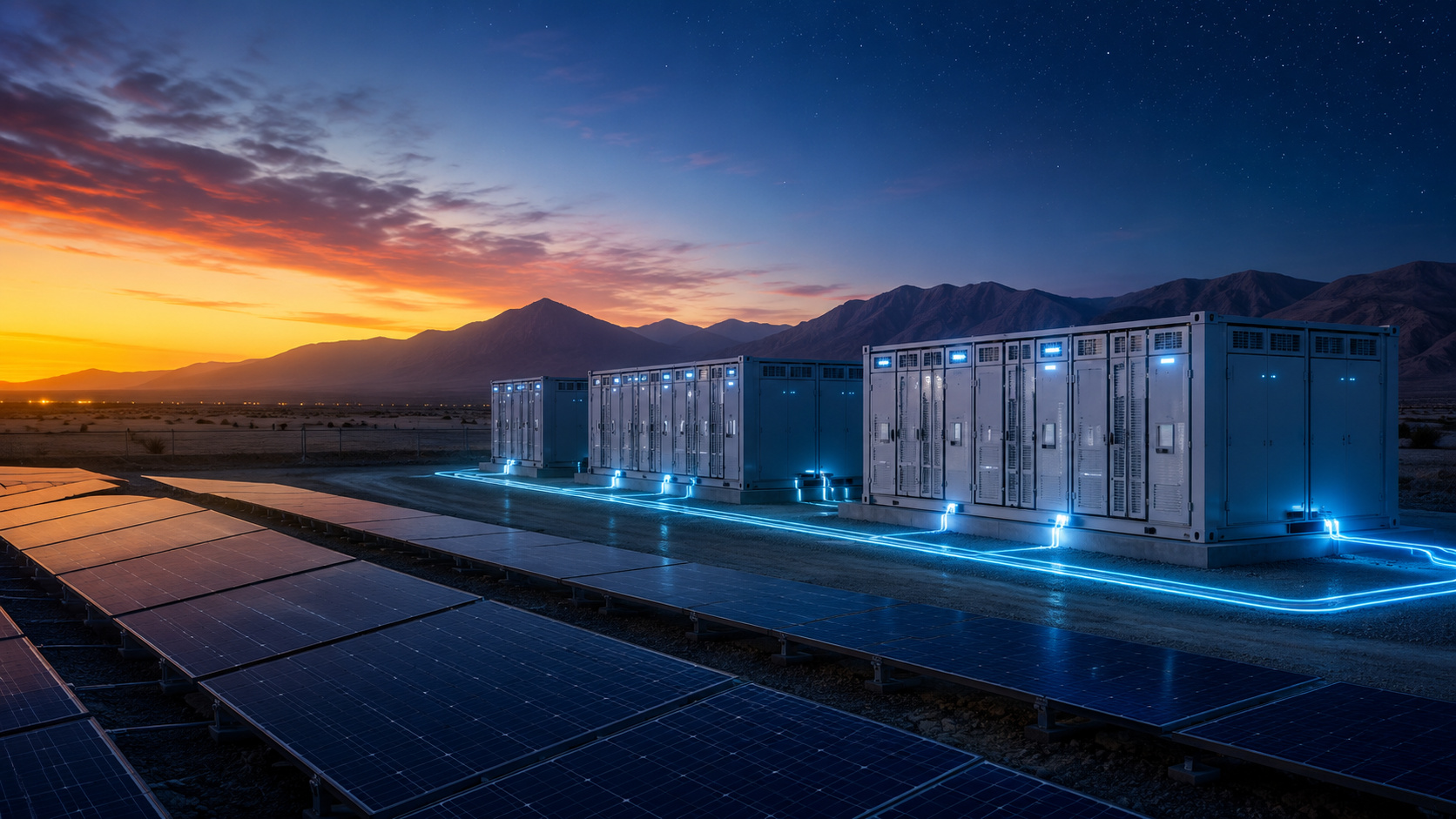
Giant Batteries Take Center Stage in Chile Auction as Company Offers 960 GWh of Solar Energy for Nighttime Use, Aiming to Stabilize Solar Power Supply
-
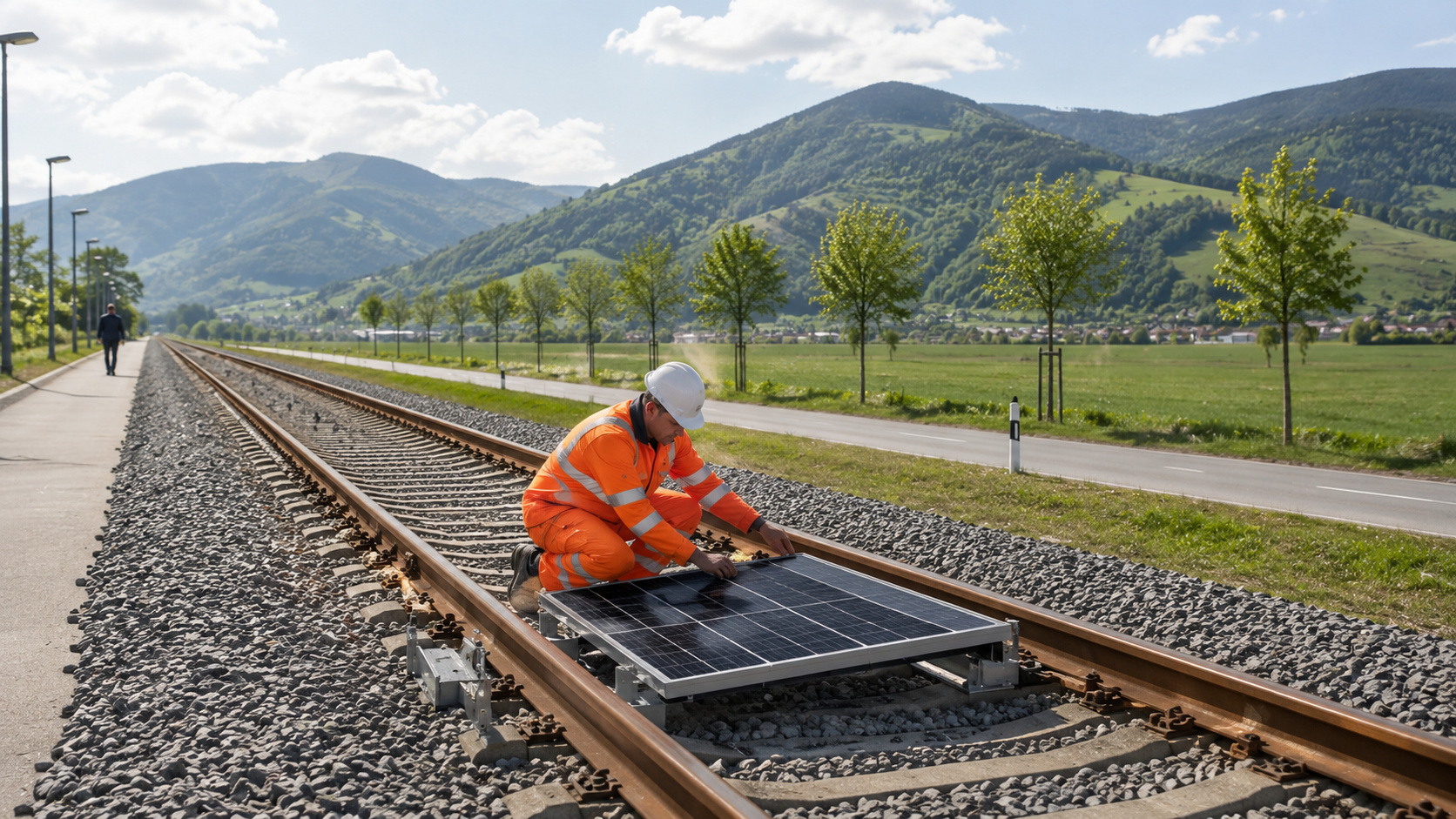
After a Year of Success in Switzerland, Solar Railway Attracts Italy’s Interest for Clean Energy Transformation

However, they also caused considerable environmental impacts, such as air pollution and increased greenhouse gas emissions. Therefore, in the early 21st century, society began to recognize the need for cleaner and safer alternatives.
Consequently, renewable energy incentive policies, international financing programs, and technologies capable of making sustainable production viable on a large scale emerged.
Global Transformation of the Energy Sector
The growth of investments in sustainable energy has been continuously intensifying. According to data from BloombergNEF, global spending on clean energy is expected to reach approximately US$ 2.2 trillion by 2025, nearly double the amount allocated to fossil fuels.
Furthermore, this movement is not confined to a single sector or region; it reflects a global trend of diversification of the energy matrix and strengthening of environmental, social, and governance (ESG) practices.
Indeed, solar energy, wind energy, energy storage, and nuclear projects concentrate a large portion of this investment. This consolidates markets that, until recently, were considered emerging or experimental.
Additionally, the expansion of sustainable energy brings important social benefits. For instance, regions investing in clean energy witness growth in job creation, technical training, and local development.
The installation of solar and wind farms creates opportunities for nearby communities while encouraging research in technological innovation and process optimization.
Therefore, this multiplier effect reinforces the strategic nature of the growth of investments in sustainable energy, demonstrating that it is not limited to major capitals. It directly impacts the lives of people and cities.
CONIBEN 2025: Debates and Opportunities
In this context, the Ibero-Brazilian Energy Conference (CONIBEN 2025), which will take place in Lisbon on November 27 and 28, emerges as an essential space to discuss the future of the sector.
Under the theme “Energy Convergence: Strategies for Mitigation and Compensation”, the event will bring together experts, business leaders, and government representatives to discuss sustainable development strategies, innovative practices, and investment opportunities.
Additionally, the conference highlights the importance of observing global trends, such as the integration of digital technologies in energy management, decarbonization of industrial processes, and the growing role of data centers in energy consumption.
Consequently, the growth of investments in sustainable energy depends on the combination of economic, social, and environmental factors. All converge to reduce the dependence on fossil sources and limit the impacts of the climate crisis.
The World Meteorological Organization (WMO) warned that the concentration of greenhouse gases reached record levels in 2024, making the last decade the hottest in history.
Therefore, extreme weather events, such as droughts, floods, and heatwaves, reinforce the urgency of adopting renewable energy and sustainable practices on a global scale.
Moreover, technological innovation plays a fundamental role in this process. For example, new storage systems, smart grids, and digital platforms make projects more efficient.
They enable intermittent sources, such as solar and wind, to integrate with greater reliability and security. Thus, this convergence between investment and technology enhances the growth of investments in sustainable energy, making it more robust and resilient.
Brazil and Leadership in Clean Energy
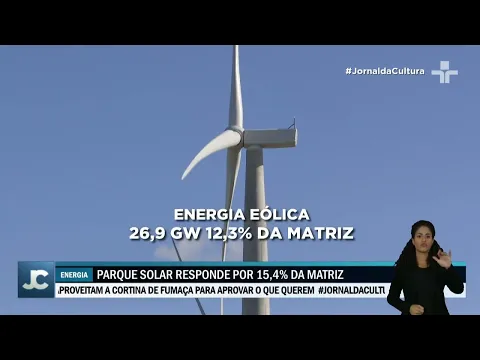
Brazil is an emblematic example of this movement, which is why it maintains a highly renewable energy matrix, with about 88% of its electricity coming from clean sources.
Additionally, solar and wind energy account for nearly a quarter of national generation, and initiatives such as the National Mitigation Strategy (ENM) demonstrate the country’s commitment to reducing greenhouse gas emissions.
Aspiring targets, such as reducing net emissions by 48% by 2030 and achieving carbon neutrality by 2050, position Brazil prominently on the international stage. This underscores the importance of the growth of investments in sustainable energy not only for the domestic market but also for its global projection.
However, globally, there is still a discrepancy in the flow of investments. More than 90% of resources destined for clean energy concentrate in advanced economies and China, while emerging markets, which will account for 80% of future energy demand, still receive limited contributions.
Therefore, it is essential to expand incentive policies, financing lines, and international partnerships. This ensures that the growth of investments in sustainable energy serves all countries.
Moreover, the expansion of clean energy in Brazil strengthens the green economy. Sectors such as building wind farms, maintaining solar panels, and manufacturing technological components generate skilled jobs.
They also promote new areas of research and development, attracting international investors interested in promising and stable markets.
Europe and the Iberian Peninsula as Examples
In Europe, the Iberian Peninsula demonstrates concrete results of this transition. Portugal and Spain have significantly increased their renewable energy capacity, with an emphasis on wind energy.
Furthermore, Spain aims to reach 220 GW of renewable energy by 2029, while Portugal invests in grid integration, storage, and technological innovation, ensuring efficiency and energy security.
Consequently, both countries show that consistent public policies, aligned with sustainability goals, are essential to consolidate the growth of investments in sustainable energy and strengthen the sector in the long term.
Additionally, the energy market is witnessing record growth in investments in solar energy, with projections of US$ 450 billion by 2025. Next comes battery storage, with estimated spending of US$ 66 billion, and nuclear energy, which is expected to receive US$ 75 billion, a 50% increase from previous years.
Challenges and Opportunities in the Energy Transition
Despite this accelerated pace, investments in electrical networks have not yet kept pace with the expansion of generation and electrification. This presents a critical challenge to ensure the safety of the electrical system by 2030.
On the other hand, CONIBEN 2025 offers a unique opportunity to analyze this scenario of growth of investments in sustainable energy, identify trends, discuss challenges, and foster business.
The event will feature 33 speakers, 11 moderators, and 11 panels, addressing topics ranging from blackouts in Brazil and the Iberian Peninsula, restrictions on renewable generation (curtailment), decarbonization of the economy, biofuels projects, capacity auctions, to the impact of data centers and artificial intelligence on energy consumption.
Moreover, the relevance of the growth of investments in sustainable energy goes beyond the economic aspect. It protects the environment, reduces greenhouse gas emissions, and mitigates the impacts of the climate crisis.
Furthermore, it creates strategic opportunities for companies, governments, and investors, consolidating markets, creating jobs, and encouraging technological innovation.
A Promising Future for Clean Energy
By 2025, solar and wind energy production is expected to exceed 6,000 TWh, meeting over 90% of the increase in global electric demand.
Therefore, the share of coal will fall to its lowest level in a century, while renewable sources will play a central role in the global energy matrix.
In this way, this historic movement demonstrates that the growth of investments in sustainable energy is inevitable, strategic, and increasingly necessary to ensure a balanced, secure, and prosperous future for all nations.
In summary, CONIBEN 2025 reinforces the importance of discussing and promoting the growth of investments in sustainable energy, aligning public policies, technological innovation, and responsible business practices.
For governments, companies, and investors, the message is clear: investing in clean energy, innovation, and sustainability represents not only an environmental responsibility but also a strategic opportunity for growth, competitiveness, and leadership in a market that is consolidating as essential for global sustainable development.