






 Portuguese
  Spanish


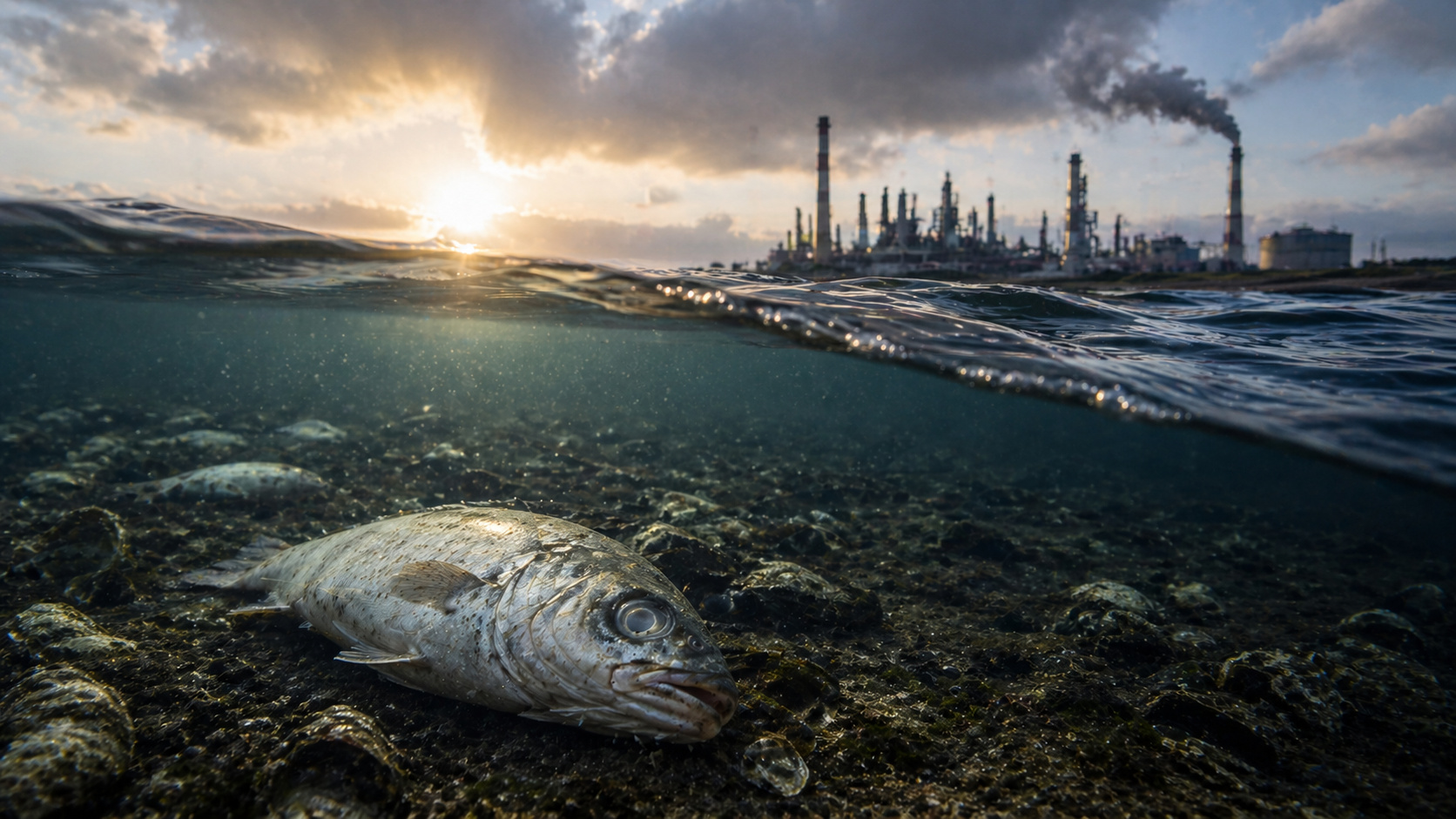

Oxygen loss in the Atlantic Ocean advances silently, threatens marine life, may reduce fishing, and already raises concerns about global food security and the future of coastal communities
The Atlantic Ocean is silently losing oxygen, a phenomenon that already concerns scientists and could have direct consequences for marine life and human food supply. The reduction of oxygen in seawater occurs gradually, but its effects tend to intensify over time.
This scenario puts fishing, the economy of coastal regions, and food supply at risk, especially in countries heavily dependent on the sea. Concern grows because the process occurs in a barely visible way, but with a broad impact.
Ocean deoxygenation already treated as a global threat
The loss of oxygen in the oceans is part of a set of environmental changes being observed on a global scale. The phenomenon is called ocean deoxygenation and is already considered one of the main current environmental challenges.
-
Half of Brazil’s Federal Public Works Projects Stalled: Audit Reveals 11,469 Abandoned Constructions and Billions Spent Without Delivering Schools, Hospitals, or Roads
-
End of an Era: Major Company Shuts Down Factory After 64 Years, Leaving Over 150 Unemployed; Facility Produced 85,000 Tons Annually of Essential Tire Material
-
End of an Era: Major Company Shuts Down Factory After 64 Years, Leaving Over 150 Unemployed; Facility Produced 85,000 Tons Annually of Essential Tire Material
-
End of an Era: Major Company Shuts Down Factory After 64 Years, Leaving Over 150 Unemployed; Facility Produced 85,000 Tons Annually of Essential Tire Material
The IPCC, an international panel of scientists on climate change, detailed that oceans are simultaneously facing warming, acidification, and oxygen loss. This combination increases pressure on marine ecosystems and reduces their natural recovery capacity.
The presence of these simultaneous factors creates a more difficult environment for various species, directly affecting the balance of the oceans.


Ocean warming reduces the amount of available oxygen
The increase in water temperature is one of the main factors behind the drop in oxygen. Warmer waters retain less oxygen, which limits availability for marine organisms.
Furthermore, warming alters the natural circulation of waters. Oxygen that remains on the surface has more difficulty reaching deeper layers.
This process creates areas with lower oxygen concentration, which compromises the survival of various species.
Atlantic shows worrying signs of deoxygenation
The Atlantic Ocean already shows clear signs of oxygen reduction, following a global trend observed by scientists. The change occurs gradually, which makes immediate perception difficult.
Nevertheless, the effects accumulate over time and can cause significant changes in the functioning of marine ecosystems.
The IPCC, an international panel of scientists on climate change, has provided analyses indicating the continuation of this process in the coming decades, with increasingly broad impacts.
Fish may disappear from entire areas due to lack of oxygen
The reduction of oxygen directly affects fish and other marine organisms. With less oxygen available, these animals face difficulties breathing, growing, and reproducing.
In some cases, species may migrate to other regions in search of better conditions. In others, they may, therefore, disappear from certain areas.
This change alters the marine food chain, affecting predators, prey, and the natural balance of the oceans.
Fishing may shrink and affect millions of people
The decline in fish stocks and the change in species distribution directly impact fishing activity. With fewer available resources, production tends to decrease.
This affects communities that depend on fishing as a source of income and food. In many places, fish is an important dietary staple.
The reduction in supply can impact food security, affecting millions of people worldwide.
Brazil may feel effects due to dependence on the Atlantic Ocean
Brazil has an extensive coastline and a strong relationship with the Atlantic Ocean. Fishing and other sea-related activities are part of the economy and diet of many families.
The reduction of oxygen in the Atlantic can directly influence this dynamic, altering the availability of species and putting pressure on coastal communities.
This scenario reinforces the importance of monitoring changes in the oceans and their effects on people’s daily lives.
Silent phenomenon can cause profound changes on the planet
Ocean deoxygenation occurs discreetly, but its effects are broad and long-lasting. The gradual loss of oxygen compromises the basis of marine life.
This process is already seen as one of the main current environmental risks, with the potential to affect not only the oceans, but also human life.
The continuation of this scenario could transform the relationship between the planet and its natural resources.
Do you believe that the loss of oxygen in the oceans can change the way the world produces and consumes food? Leave your opinion in the comments and share this content.


