






 Portuguese
  Spanish


VPD System put to the test in global trial, faces real-world scenarios and demonstrates superior performance to human drivers in complex parking spaces and challenging urban environments
OMODA & JAECOO presented the autonomous parking system VPD (Valet Parking Driver) during the recently held Chery International Business Summit (IBS), as informed by the automaker itself. The test pitted the technology against real-world situations, including a direct comparison with an an experienced driver, focusing on resolving common urban use difficulties, especially in tight parking spaces and complex environments.

Global test in real-world scenarios
The experiment gathered around 100 participants, including dealers, press, and influencers from markets such as the Middle East and Southeast Asia, according to OMODA & JAECOO. The team conducted the validation outside controlled environments, which reinforces the practical relevance of the results. The system operates with two main commands: remote vehicle summoning to the driver and automatic parking after disembarking, using sensors, cameras, and navigation algorithms.
During the tests, the VPD faced critical scenarios, such as extremely narrow parking spaces, dead-end parking lots, active search for available space, and the presence of dynamic obstacles. The system handled real-world urban conditions and demonstrated the ability to operate in unstructured environments.
-
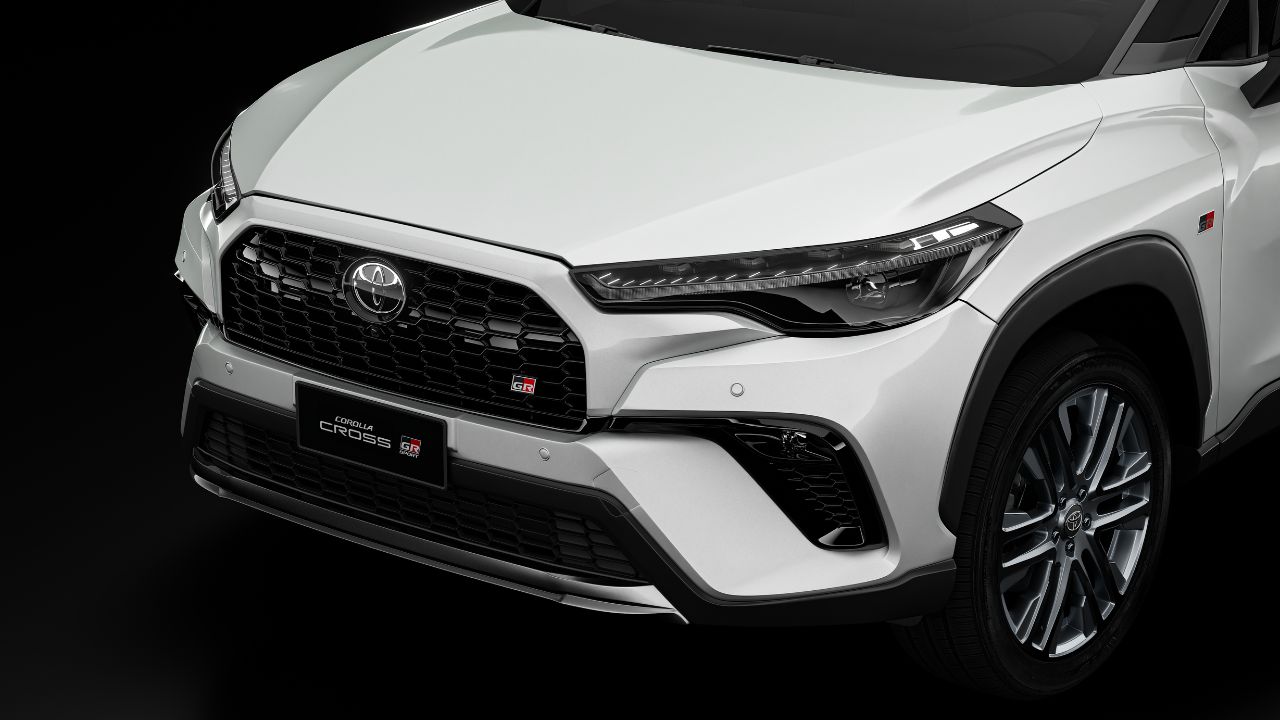
2027 Toyota Corolla Cross Unveiled: New Design, Enhanced Fuel Efficiency, Reduced Maintenance Costs, Advanced Technology, Connected Services, and Up to 10-Year Warranty

-
Fiat Cronos Precision 2018: Affordable Sedan with Spacious Trunk and Reliable Maintenance
-
Volkswagen to Cut Production by 1 Million Cars by 2030, Reducing Jobs and Platforms, Focusing on More Profitable Models

-
Toyota Launches First 100% Electric Car in Brazil: bZ4X with 343 HP, All-Wheel Drive, 361 km Range, Priced at $419,990 BRL, Limited to 99 Units



Autonomy and precision in maneuvers
In remote summoning mode, the vehicle autonomously exited the parking space, plotted a route to the user, and precisely avoided obstacles. In common situations, such as leaving a shopping mall or on rainy days, the function eliminates the need to walk to the car.
In parking mode, the system executed all steps autonomously, including space identification, trajectory adjustments, and the final maneuver, with dynamic corrections in limited spaces. The performance reinforces the level of precision and autonomy of the VPD in urban scenarios.
Comparison with experienced driver
The test compared the VPD with an experienced driver, with over 15 years of practice. The evaluation considered execution time, number of corrections, and final precision. The system performed maneuvers continuously and efficiently, while the human driver needed more time and made multiple adjustments.
The result confirmed the superior performance of the VPD across the three analyzed criteria, especially in critical parking spaces and angled positions, where the technology showed greater consistency.
Technology proposal and positioning
OMODA & JAECOO aims to broaden access to complex maneuvers and reduce reliance on driving skill. The system transfers part of the control to automation, increasing convenience and reducing daily driving stress.
From a technical standpoint, the VPD represents an evolution of available automatic parking systems, expanding the level of autonomy and the scenarios covered.
Limitations and supervised use
The automaker emphasizes that the VPD acts as an assistance system. Its use remains restricted to enclosed environments, such as parking lots, and requires constant driver supervision, who must be ready to take control at any moment.
Global expansion of technology
The public validation at IBS marks the beginning of the technology’s expansion into new markets. The strategy integrates an innovation package aimed at young audiences, featuring assisted driving, connectivity, and automation.
The observed performance indicates the potential to transform the act of parking into a more automated and efficient process.








