Portuguese
  Spanish


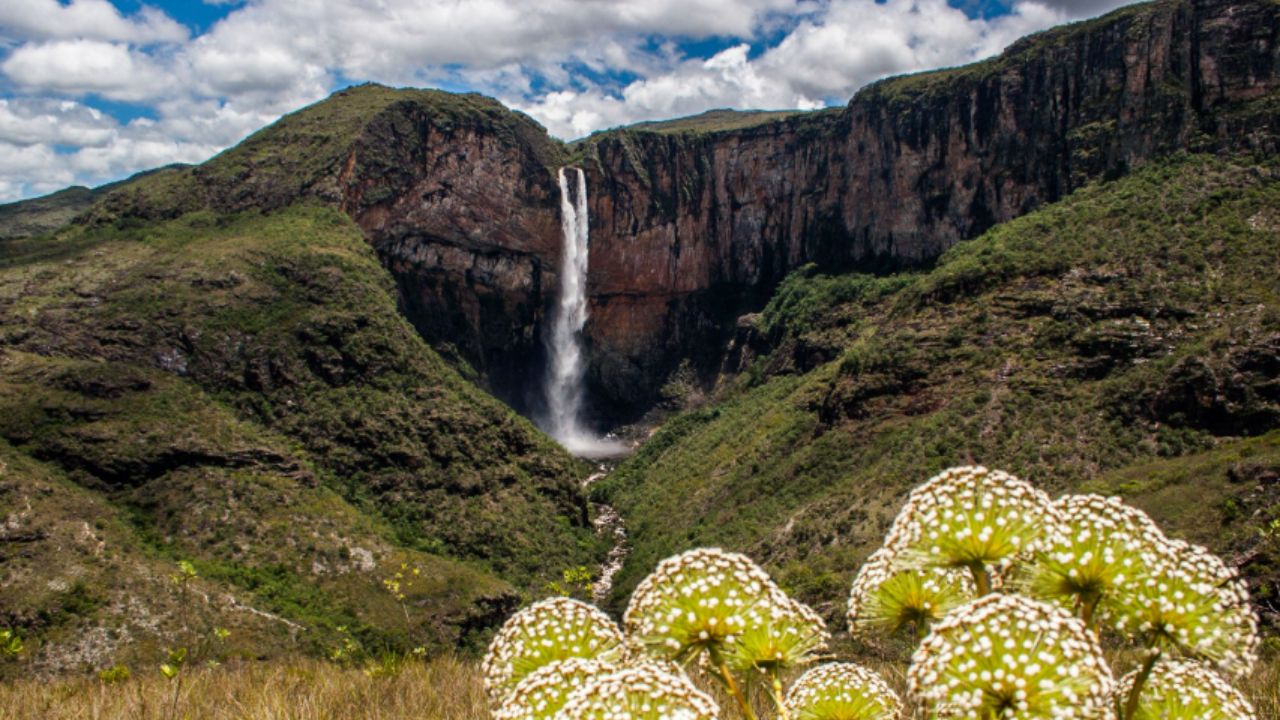

A Motorized Expedition Intertwining the Vibrant Coast with the Mystical Bahian Interior, Through the Monumental Espinhaço Mountain Range, Revealing Unique Landscapes and Natural Treasures.
Bahia, a multifaceted soul, invites exploration that transcends the ordinary. From the effervescent beaches, imbued with Afro-Brazilian heritage, to the vast and enigmatic Sertão, a call to adventure is delineated. This automotive journey unites disparate universes, guided by the majestic Espinhaço Mountain Range. It reveals itself as an ancestral route and a colossal biodiversity corridor, promising to unveil unique geological formations and natural opulence.
The Claim of Being the “Unique Mountain Range” of Brazil?
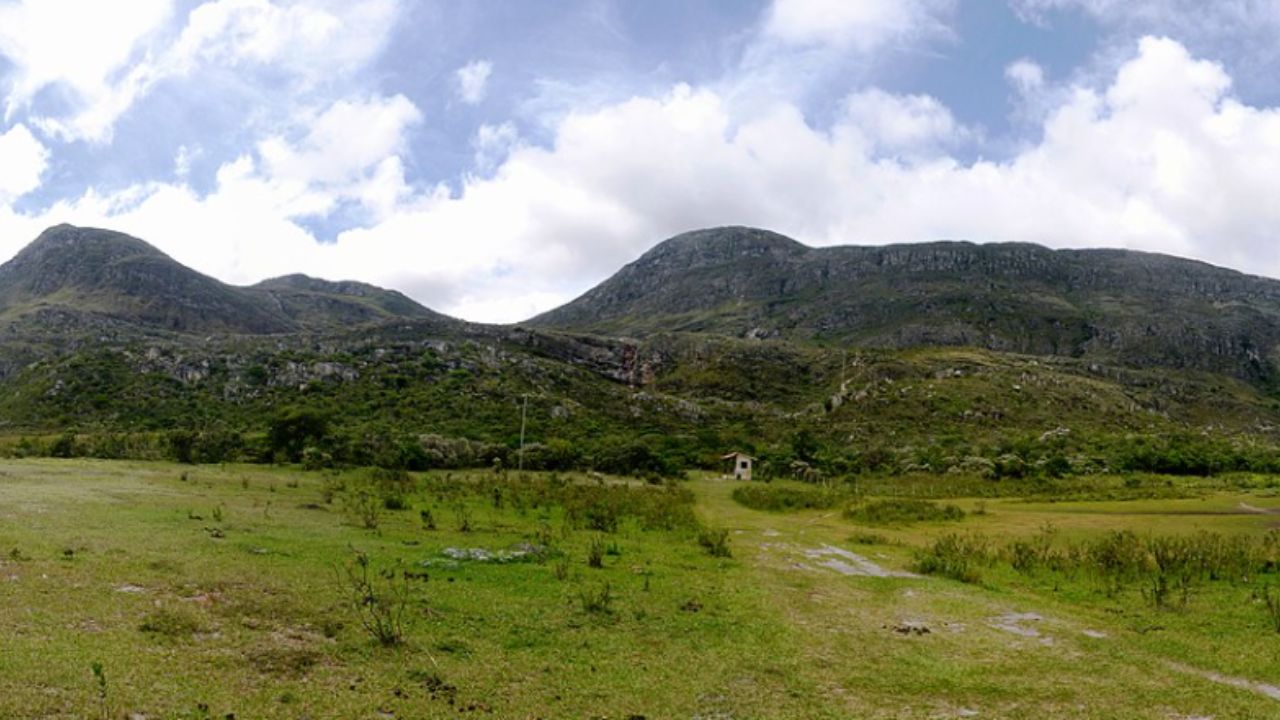
The Espinhaço Mountain Range, an imposing mountain chain, winds through the heart of Brazil, a testament to the long geological history of South America. With its origins in the Precambrian period, it stretches for about 1100 km from Minas Gerais to Bahia, a crucial watershed between the São Francisco basin and Atlantic rivers. Its diverse rock formations include quartzites and volcanic formations.
The designation of “unique mountain range” in Brazil, while popular, differs from geological terminology, which reserves “mountain range” for younger formations like the Andes, while Brazilian topography is older. Classifications such as Jurandyr Ross’s use “serra.” However, the vast expanse, altitude, and ecological importance of the Espinhaço justify its popular emphasis, even if academically it is a “serra” of unparalleled magnitude.
-
400 km² of Greenhouses in Almería, Spain, Astonish American Visitor by Producing Millions of Tons of Produce for Cold-Weather Markets

-
Antarctic Volcano Emits Microscopic Gold Particles That Travel Up to 1,000 Kilometers Across the Continent
-
Little-known Japanese factory is the world’s largest zipper manufacturer, producing 7 billion pieces annually and closing half the world’s pants.

-
Brazilian Factory Recycles One-Third of the Country’s Styrofoam Waste, Matching European Levels with 51,000 Tons Reused Since 2007


Its ecological importance is endorsed by UNESCO as a Biosphere Reserve, encompassing Atlantic Forest, Cerrado, and Caatinga. The Rupestrian Fields, emblematic ecosystems, exhibit high endemism and harbor endangered species. Additionally, the Espinhaço Mountain Range is a vital water source.
The Gem of the Espinhaço Mountain Range in Bahia
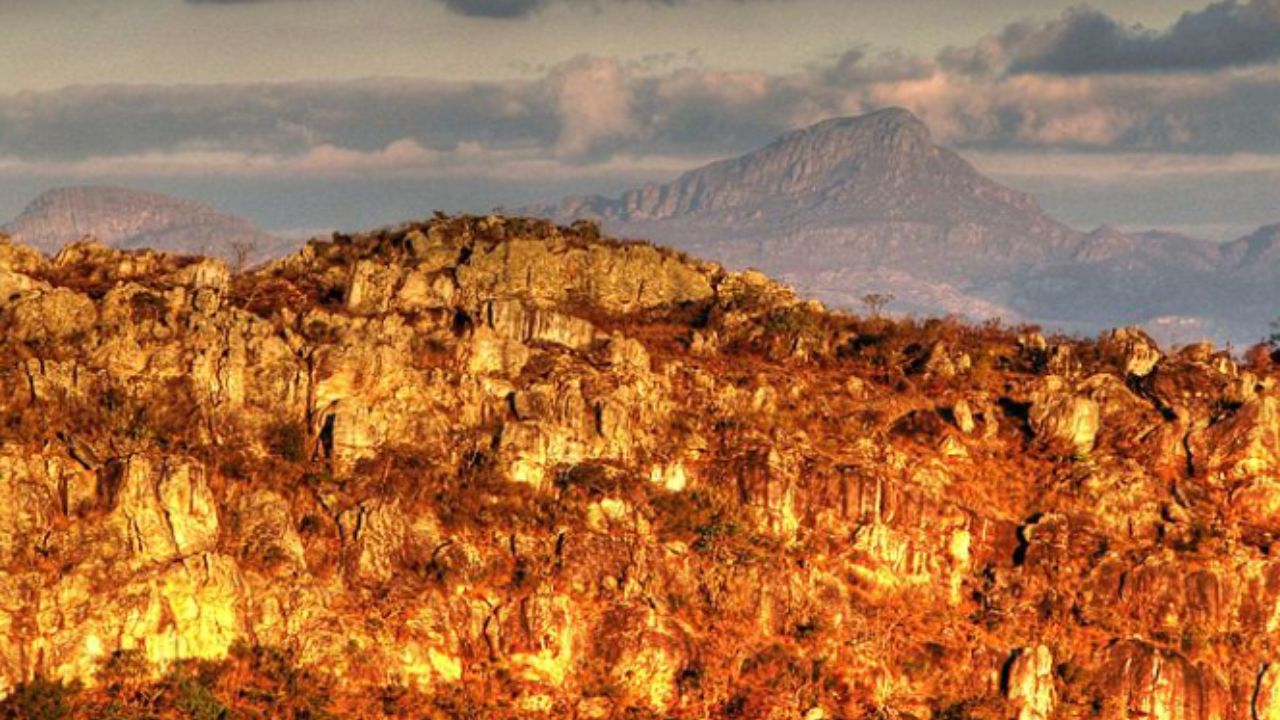
Nestled in the Bahian portion of the Espinhaço Mountain Range, the Chapada Diamantina amalgamates geological grandeur, ecological exuberance, and historical richness. Its plateaus, valleys, waterfalls, and caves entice adventurers. The journey from Salvador, passing through the Recôncavo, prepares one for the foothills of the Serra.
Lençóis is the main gateway, a charming historic town, complemented by Palmeiras, Vale do Capão, Mucugê, and Rio de Contas. The BR-324 and BR-242 highways are the main access routes, with revitalized sections. The Chapada boasts wonders like the Fumaça Waterfall (380m), the Encantado and Azul pools with their translucent waters, and the Iraquara complex (Lapa Doce and Pratinha caves). The Morro do Pai Inácio offers iconic panoramic views.
This eden is a mosaic of ecosystems: Rupestrian Fields at high altitudes, High and Gallery Forests, and the confluence of Caatinga, Cerrado, and Atlantic Forest. The Marimbus, a local “wetland,” is a refuge for wildlife. The region is ideal for trekking, such as in the Vale do Pati, and spelunking.
Exploring the Northern Espinhaço and the Transition to the Sertão
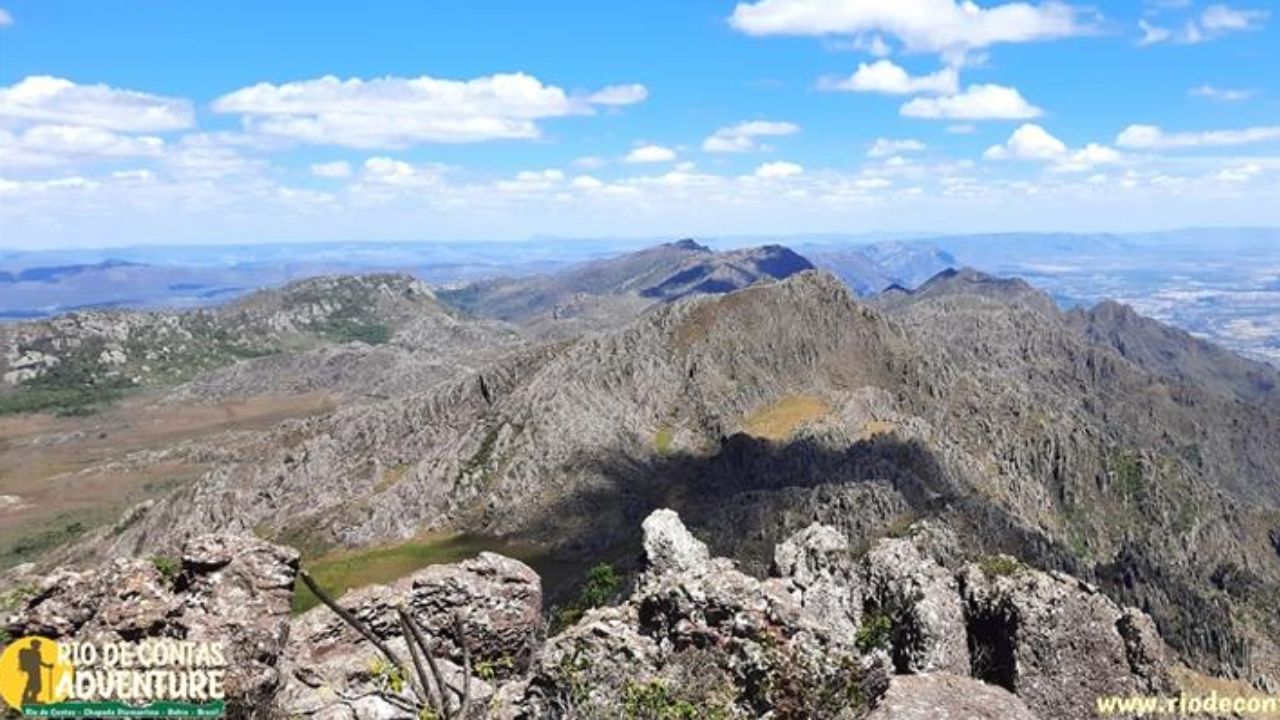
The journey through the Espinhaço Mountain Range in Bahia continues to the north of the Chapada, in less explored segments, heading towards the Sertão, revealing new geological facets and ecosystems adapted to aridity.
The Northern Espinhaço Mountain Range hosts peaks such as das Almas and Barbado (the highest in the Northeast), with formations like São Marcos and Sítio Novo, as well as minerals like manganese and amethyst. The roads, such as the BA-148, can be challenging. The landscape gradually transforms, with Rupestrian Fields giving way to Caatinga.
In northern Bahia, the Boqueirão da Onça National Park protects the biodiversity of the Caatinga, including the Toca da Boa Vista, the largest cave in Brazil. Geologically, this park is not part of the Espinhaço Mountain Range system, being situated in another mountain complex.
Juazeiro and the Life-Giving Force of the São Francisco River after the Espinhaço Mountain Range
Reaching the Bahian Sertão is to immerse oneself in a landscape of austere beauty and resilient culture. Juazeiro emerges as an oasis on the banks of the São Francisco River, the “Velho Chico,” a vital artery that shapes the sertaneja life, marked by Caatinga and a rich cultural heritage.
Juazeiro pulses with life: the riverside, the Presidente Dutra Bridge (linking to Petrolina-PE), the Regional Museum of São Francisco, and the Rodeadouro Island are highlights. The São Francisco River is the local soul. To get there, departing from the Chapada, options include the BR-242 and connections (BR-407/BR-235), or the scenic BA-160 (with the new Barra-Xique-Xique Bridge) and the BA-210, further north, following the river.
Planning Your Expedition through the Espinhaço Mountain Range
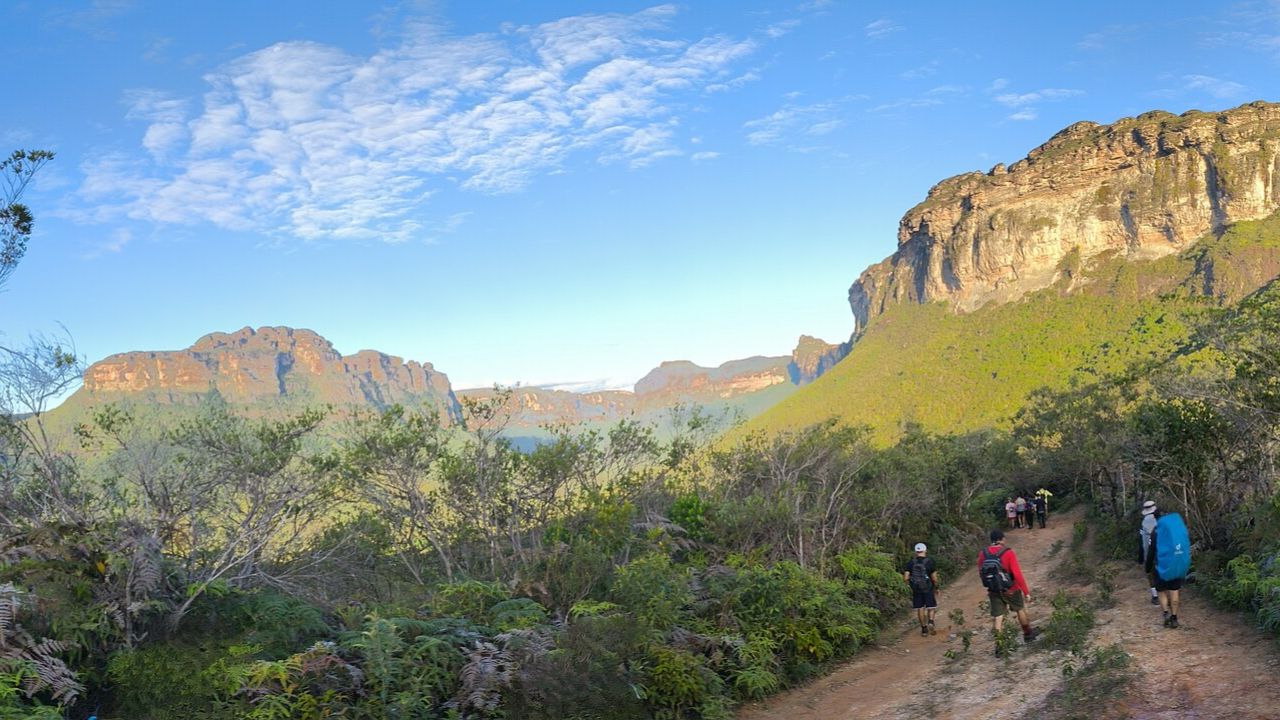
An expedition through the Espinhaço Mountain Range requires planning. The best time for Chapada Diamantina is during the dry season (May-September); for the Sertão, also from May to October. A vehicle with good ground clearance is recommended; a 4×4 is useful but not essential, especially for more rugged sections. Include lightweight clothing and warm layers, hiking footwear, sunscreen, insect repellent, a flashlight, and a first aid kit.
Accommodation is plentiful in Lençóis and base towns of the Chapada. Refuel in larger towns. In the Sertão, plan fuel and stops carefully. Local guides are recommended in the Chapada for safety and enrichment of the experience. Stay informed about the roads and practice responsible tourism. The Espinhaço Mountain Range is a pivotal element of Brazilian natural and cultural identity, of inestimable value.