






 Portuguese
  Spanish


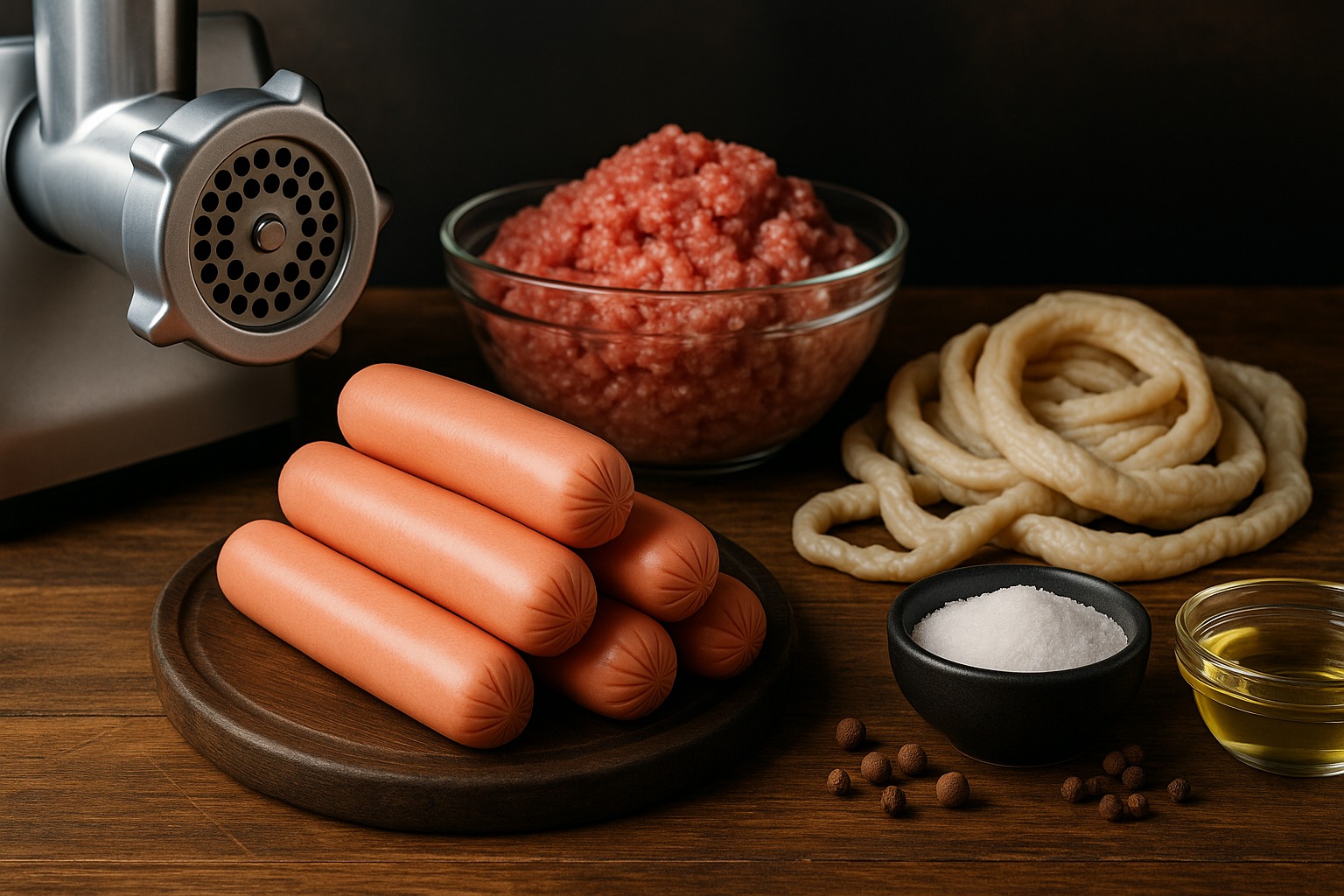


From American Baseball to Brazilian Streets, the Hot Dog Conquered Generations with Its Mixture of Practicality and Creativity, Transforming from Simple Snack into Cultural Symbol that Reflects the Diversity and Flavor of Brazil
The hot dog is one of the most popular symbols of street cuisine in Brazil. The combination of soft bread, sausage, and various toppings has won palates from north to south, gaining versions that range from simple to extravagant. In addition to ketchup, mayonnaise, potato sticks, and corn, some even add mashed potatoes, quail eggs, and even raisins.
This versatility explains why the snack has become a cultural phenomenon. The base, however, is always the same: a sausage wrapped in bread and creativity.
From the Bleachers to the Movies
The sausage, before arriving in Brazil, was already a hit in the United States. In the late 19th century, it began to be sold on the streets at affordable prices, becoming a practical snack for baseball game audiences.
-
China returned almost 20 Brazilian ships with soybeans and is now back to buying from the USA, but stocks above 9 million tons raise suspicions of a political move, not a commercial necessity.

-
Japan will have a bullet train that levitates at 500 km/h and will cross 90% of the route through tunnels; the project promises trips in just 67 minutes but faces billion-dollar challenges and unprecedented environmental obstacles.
-
Few people know, but the smallest city in Rio holds a tunnel that was once the largest in the world, covering only 95.35 km², housing a railway work of 2,233 meters, and is also known for the historic title of the 4th best climate in the world.
-
A ‘hanging’ road in SP with viaducts over 80 meters, 11 tunnels, 20 suspension bridges, and pillars fixed at a depth of 40 meters has been challenging the Serra do Mar for almost 50 years and still impresses engineers.


Its popularity quickly grew because the food was cheap and easy to eat.
In Brazil, the one responsible for introducing the hot dog was Spanish businessman Francisco Serrador, an important figure in the history of Rio de Janeiro.
In 1926, he launched the snack in his cinemas, located in the area that would later become known as Cinelândia.
The novelty was so successful that it inspired composers Lamartine Babo and Ary Barroso to create, in 1928, the march “Cachorro-Quente.”
What Defines a True Hot Dog
According to researcher Bruce Kraig, author of the book Hot Dog: A Global History, what differentiates the hot dog from other traditional sausages is the delicate texture of the meat, resulting from processing technologies developed in the 19th century.
In the United States, it is common to call the sausage alone a “hot dog,” but experts emphasize that it only deserves that name when served inside the bun.
This distinction is important because it shows that the snack is, above all, a cultural invention, not just a culinary one.
Unraveling the Composition of the Sausage
The sausage is the target of many myths. Among the most common fake news are those claiming it contains cardboard or dangerous chemicals.
However, the main health authorities and the World Health Organization itself explain that its main ingredient is real meat — even though they are not premium cuts.
Sausages are made from trimmings of beef, pork, and chicken. These trimmings include parts like cheeks and heads, which are ground by industrial machines until they become a homogeneous mass.
In some cases, CMS (Mechanically Separated Meat) is also used, obtained through a process that mechanically separates meat from bones.
Brazilian legislation allows the use of up to 60% CMS in the composition.
Ingredients and Industrial Process
Once ground, the meats go through a machine called a cutter, which transforms the material into a paste.
To this mixture, antioxidants, preservatives, salt, corn starch, and seasonings are added. Among the additives is sodium nitrite, which helps preserve the color and flavor of the meat.
It is approved by Anvisa but should be consumed in moderation, as studies indicate a relationship between nitrates and cancer risk when ingested in excess.
In total, the sausage mass is composed of about 55% meat and 45% other ingredients. It is then shaped into tubular casings, which can be made of cellulose, plastic, or, more rarely, natural casing.
The sausages are then cooked at about 80 °C for half an hour. This stage ensures the elimination of bacteria and gives firmness to the texture.
Some also go through a smoking process with wood essence, which gives the characteristic flavor.
Color, Cooling, and Packaging
After cooking, the sausages receive a cold water shower, which helps release the casing and stabilize the product. At this stage, the proteins coagulate, ensuring that the food retains its shape.
To achieve the traditional reddish color, factories use annatto, a natural dye extracted from the annatto tree.
The product is immersed in a solution for two minutes and then receives a phosphoric acid bath to fix the color.
The final step is packaging. The sausages are vacuum sealed to prevent air contact and preserve the flavor for a longer time.
How to Properly Prepare at Home
Even though it is pre-cooked, the sausage should be boiled before consumption. This care helps eliminate any remaining microorganisms.
The ideal is to cook for up to three minutes — enough time to heat them without causing the food to swell or lose texture.
Simple, versatile, and present in all regions of the country, the Brazilian hot dog continues to reinvent itself.
It is more than just a snack: it is a flavorful portrait of the cultural blend that makes up Brazil.
With information from Revista Galileu.


