Portuguese
  Spanish


Coast Grass Invades Millions Of Hectares In The Cerrado, Choking Native Species And Becoming One Of Brazil’s Worst Environmental Threats.
Introduced in Brazil as an agricultural solution for cattle feed, the coast grass (Megathyrsus maximus, formerly Panicum maximum) seemed, at first glance, a promise of productivity. Originating from Africa, the pasture grew quickly, resisted dry spells, and adapted easily to tropical soils. But what was seen as an opportunity for livestock farming has turned into one of the country’s biggest environmental problems.
Today, the coast grass occupies millions of hectares of the Cerrado, encroaching on areas of native vegetation and creating a troubling scenario for scientists and environmentalists: the increasing difficulty of recovering degraded ecosystems.
From Promise To Pest: How The Grass Became A Villain
In the 1960s and 1970s, Brazil imported seeds of African grasses to expand its pastures. The goal was to meet the rapidly expanding livestock sector and improve productivity in areas that had previously been underexplored. The coast grass was one of the favorites.
-
At 35, Lawyer Leaves Corporate Career to Turn 1-Hectare Farm into Organic Supplier for Schools in Southern Brazil

-
Solar-powered agricultural robots operate 24/7, remove weeds with 8mm precision, and aim to cut herbicide use without fuel consumption in the fields.

-
Brazilian Farmer Invents Low-Cost Tractor Using Motorcycle Parts, Efficiently Working 2 Acres on 1 Liter of Diesel

-
Regenerative Farmers Use Keyline Plow to Improve Pasture Hydration, Storing 1 Gallon of Water Every 30 Centimeters




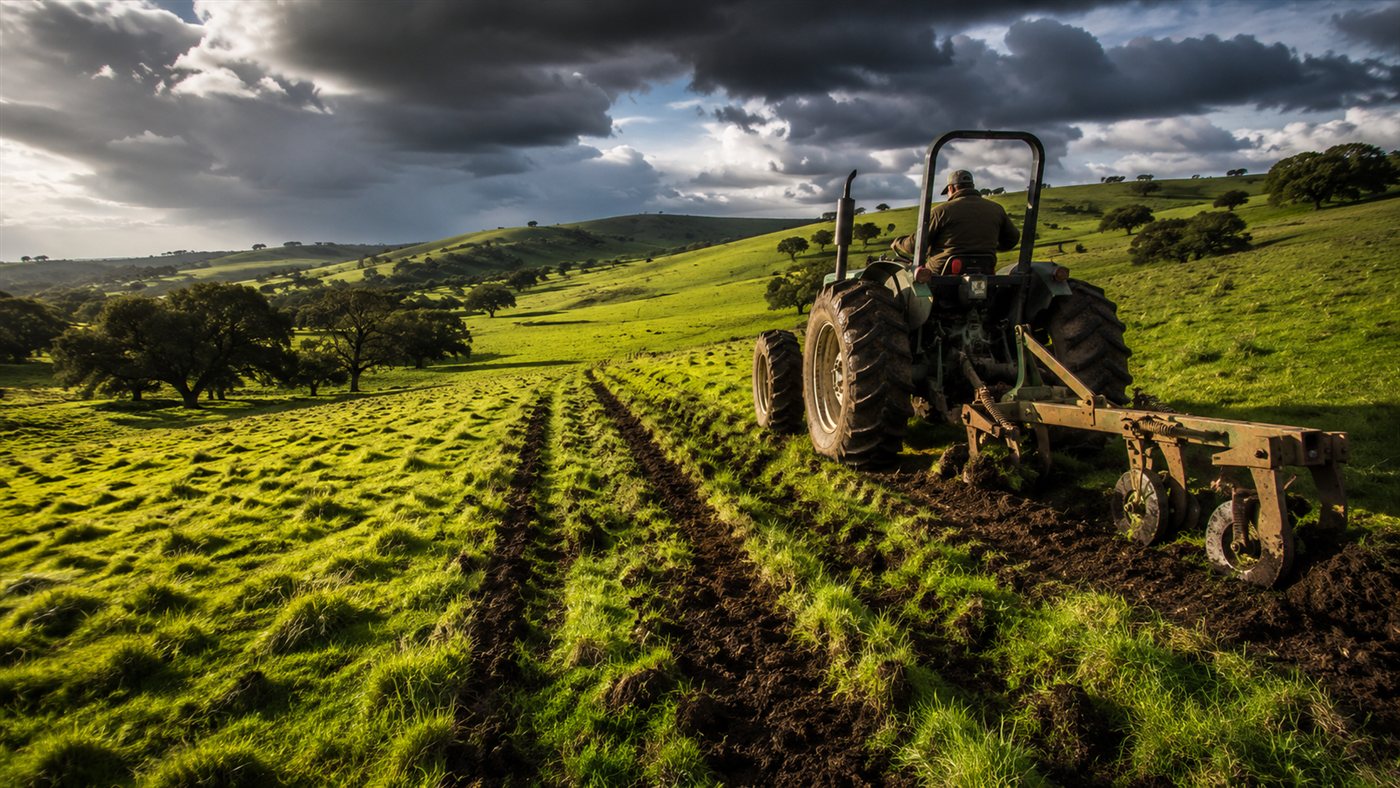
But what no one expected was its ability to spread beyond human control. Adapted to the tropical climate, the grass began invading areas of native Cerrado, competing with local trees, shrubs, and grasses.
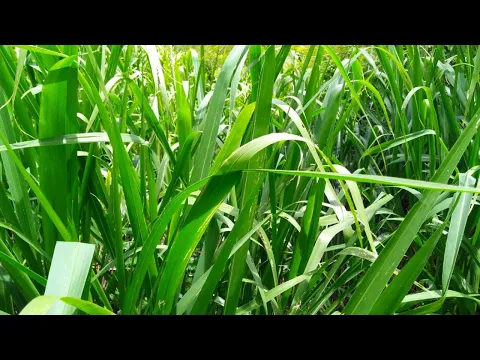

Since it grows rapidly, it can exceed 2 meters in height, choking the original vegetation and altering the natural dynamics of the ecosystem.
A Green Carpet That “Suffocates” The Cerrado
The invasion of the coast grass has devastating effects. By forming dense mats, it prevents the natural regeneration of Cerrado plants. Typical species, which took thousands of years to adapt to the rainfall regime and acidic soil, lose ground and end up disappearing.
Moreover, the coast grass feeds the fire. Its long dry stems act as fuel for wildfires, which spread with greater intensity and speed. This not only destroys native vegetation but also further facilitates the spread of the grass itself, which sprouts rapidly after burning.
The Impact In Numbers
Studies indicate that exotic grasses, including the coast grass, already occupy tens of millions of hectares in Brazil, largely in the Cerrado and in transitional areas to the Amazon. Each year, the species advances, colonizing new spaces, including conservation units and permanent preservation areas.
The impact is direct on biodiversity: the Cerrado, known as the “water box of Brazil” and home to unique species of fauna and flora, suffers a process of homogenization. Where there was once a rich diversity of plants, today there are only extensive fields of grass, incapable of sustaining the same variety of life.
Environmental And Economic Costs
The advance of the coast grass also generates economic impacts. To recover an invaded area, it is necessary to apply costly and time-consuming techniques, such as constant mowing, use of herbicides, and even manual removal in early stages. In environmental restoration projects, the coast grass becomes the main obstacle, driving up costs and delaying timelines.
Furthermore, invaded areas lose environmental and productive value. Frequent fires degrade the soil, reducing its fertility and compromising even the livestock farming that, ironically, motivated the introduction of the species decades ago.
The Difficult Battle For Restoration
Researchers point out that the restoration of areas invaded by the coast grass can take decades. The grass has a high capacity to regrow even after burning or superficial cuts. Its seeds persist for long periods in the soil, making control difficult.
Some initiatives are already seeking alternatives, such as the direct planting of more resilient native species or integrated fire management. But experts warn: without a coordinated effort and consistent public policies, the invasion will continue to advance and hinder Brazil’s commitments to recovering degraded areas made in international agreements.
From The Cerrado To The Global Debate
The issue of the coast grass is not just Brazilian. Invasive exotic species are now considered one of the five greatest causes of biodiversity loss on the planet, according to international reports.
The advance of the coast grass in the Cerrado is part of a global phenomenon: plants and animals introduced by humans that become ecological pests.
In the Brazilian case, the impact is even more sensitive, as the Cerrado is the birthplace of springs that supply the largest river basins on the continent. In other words, the spread of this grass affects not just biodiversity but also the water and food security of the country.
The coast grass synthesizes a Brazilian dilemma: what was brought in as a solution for livestock farming has become a silent environmental threat of gigantic proportions. The Cerrado, already pressured by deforestation and agricultural expansion, now also faces the advance of this species that suffocates its native vegetation.
The big question is: will Brazil be able to contain this invisible enemy before it’s too late? The answer will define not only the future of the Cerrado’s biodiversity but also the country’s ability to meet its environmental targets and maintain its image as a global green powerhouse.