Portuguese
  Spanish



Rivian’s CEO Highlights That Chinese Electric Cars Have Already Surpassed Competitors in Technology and Luxury, but Tariffs Above 100% Prevent Entry Into the American Market.
Rivian, known for its work in the electric vehicles sector, has raised a warning about the strength of Chinese electric cars. According to the company’s CEO, RJ Scaringe, the challenge is not in price, but in technology. In an interview with InsideEVs, he was direct: “What is alarming is that the cars are actually better”.
This statement reinforces the perception that China not only produces at scale but also manages to deliver innovation quickly. Models like the Xiaomi SU7 sedan are already competing in design and performance with luxury brands like Porsche.
Trade Barriers and Adaptation to the West
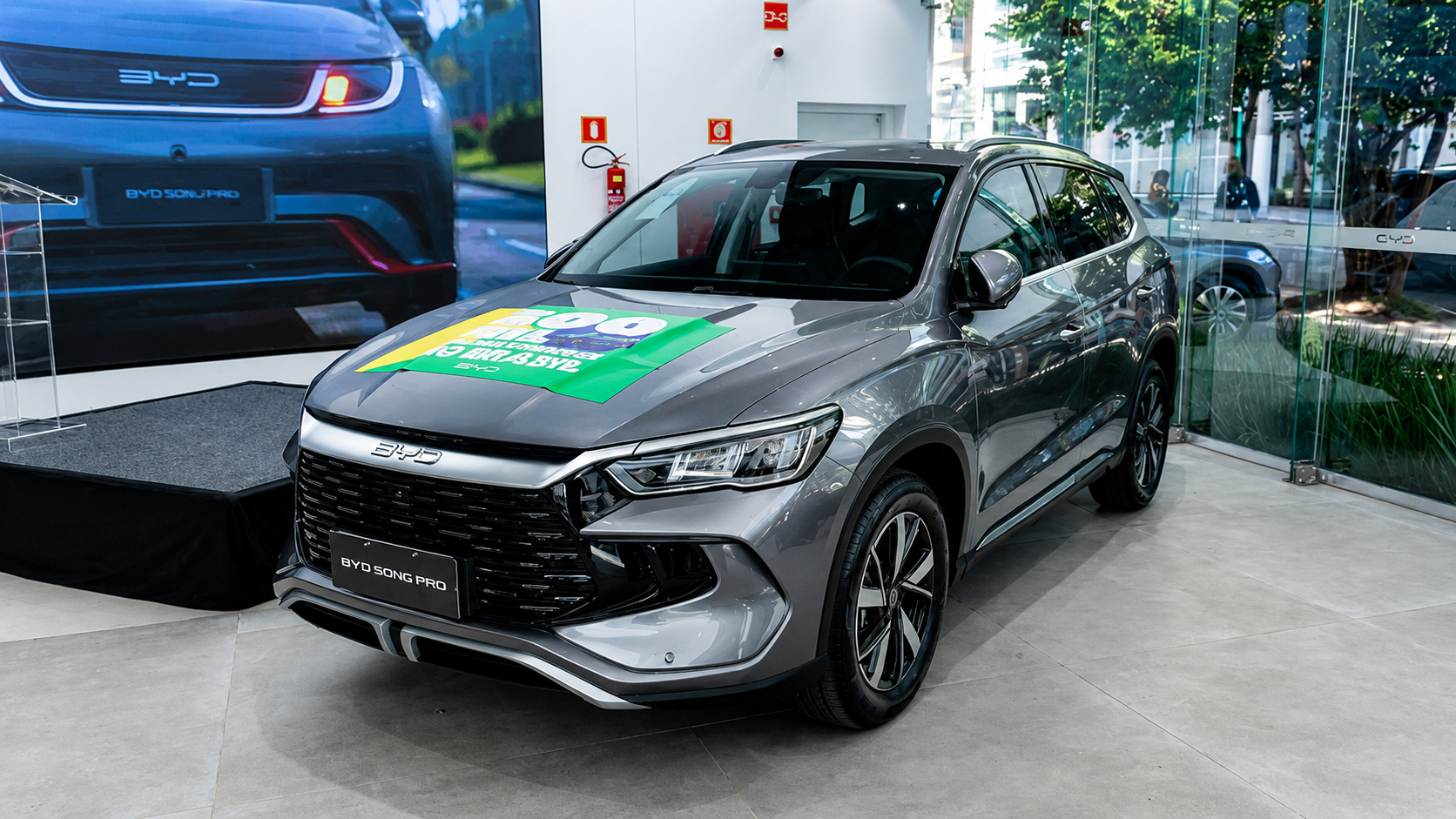
Despite the progress, the idea of ultra-cheap cars, such as the BYD for US$ 10,000, reaching the American market is nothing but an illusion. This is because the vehicles face tariffs over 100%, effectively acting as a kind of ban. Additionally, there are stricter safety requirements and extra adaptation costs.
-
Chery Offers Lifetime Battery Warranty and Car Replacement for Major Failures Under New Chinese Regulations

-
Nissan Discontinues Qashqai SUV Amid Cost-Cutting, Chinese Competition, and Product Line Review
-
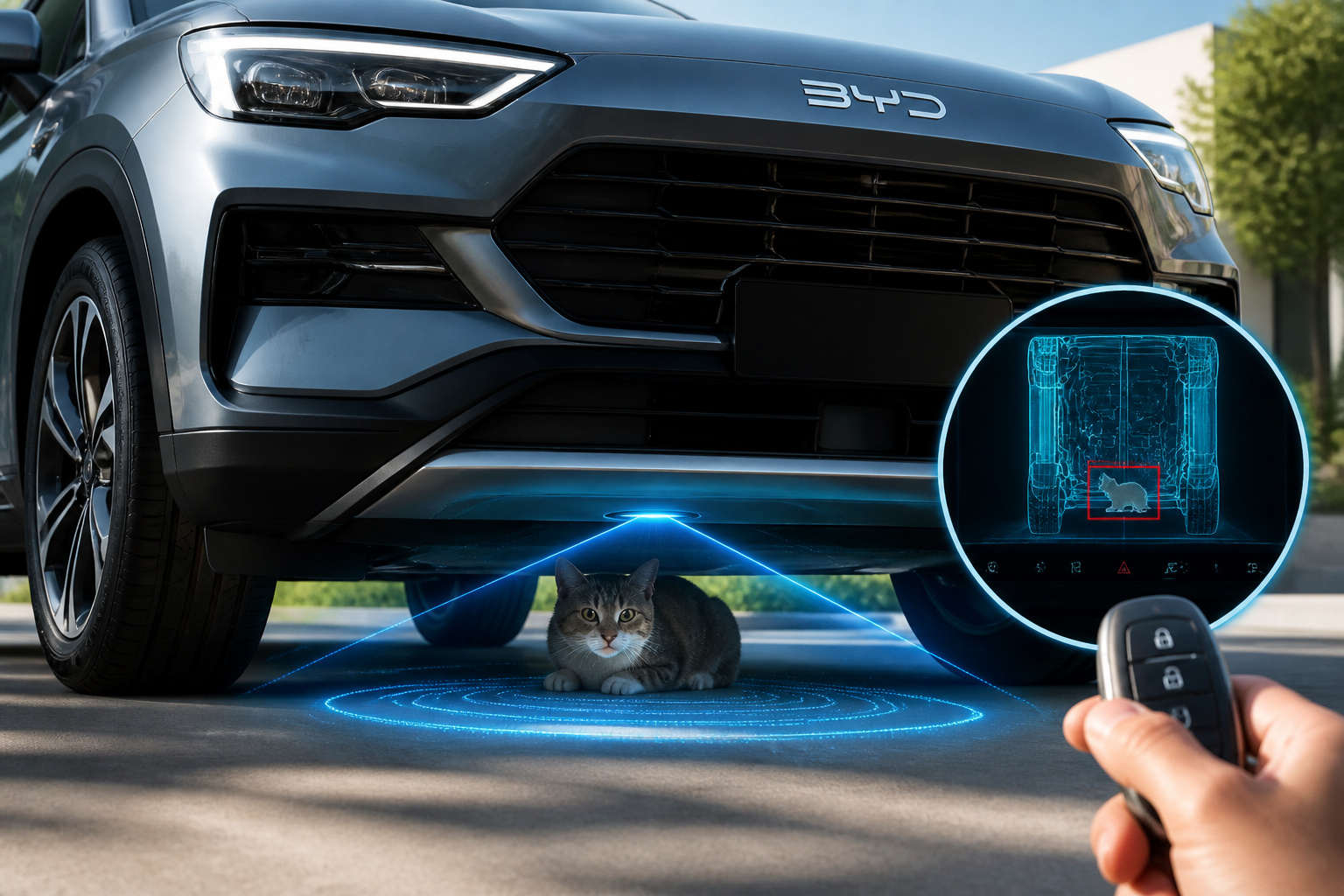
BYD Patents Revolutionary System Using Computer Vision to Detect Animals Under Cars Before Starting, Preventing Tragedies

-
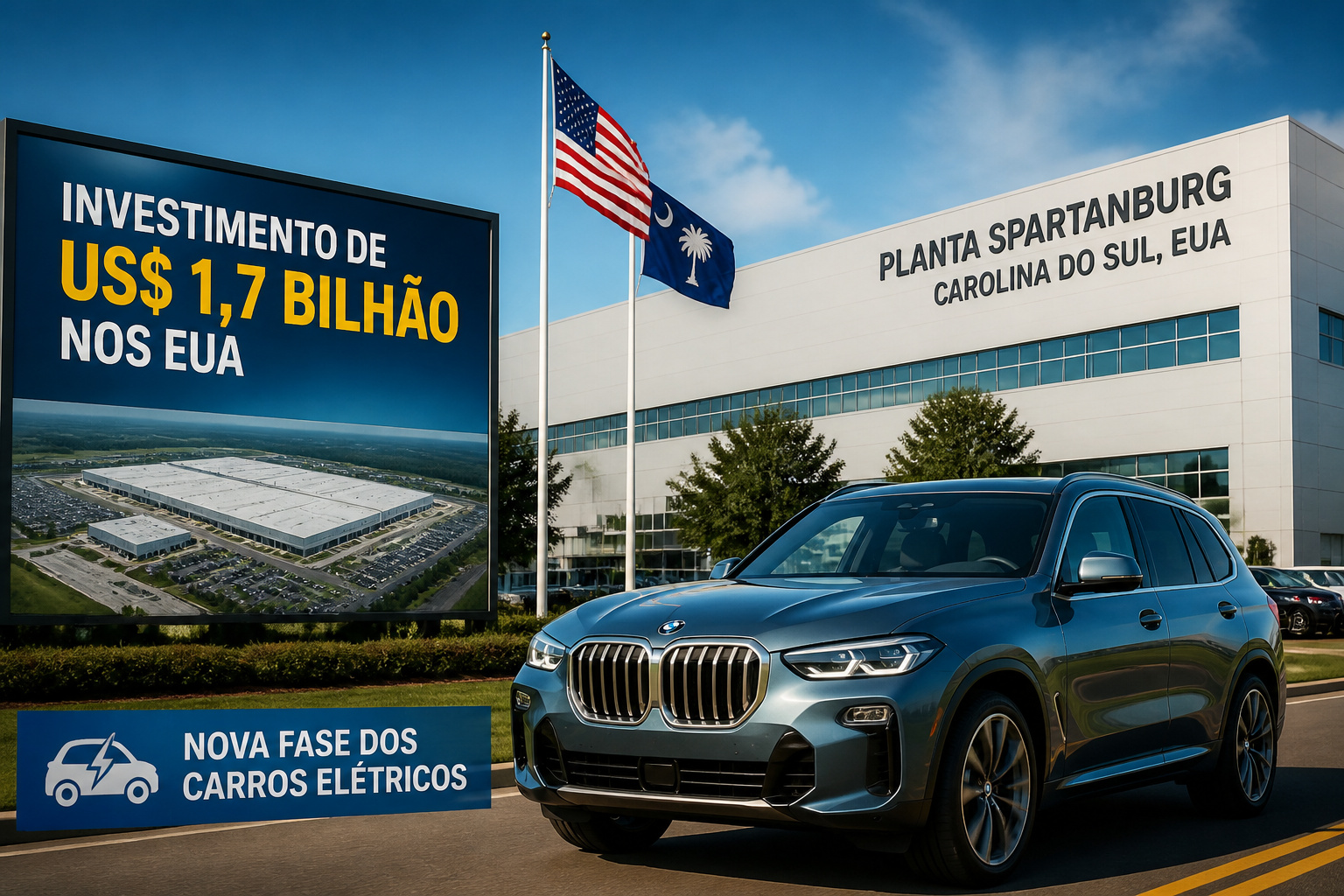
BMW Completes $1.7 Billion Investment in the U.S. for Electric Vehicle Production, Positions South Carolina for New Generation as Rivals Reassess EV Race
In practice, the result is that these models would not be sold at such low prices in the West. The BYD Seagull, for example, already costs around € 23,000 in Europe, a far cry from what circulates in headlines about “Chinese budget cars.”
Technology Ahead of Price
Scaringe insists that the real differentiator is in digital advancement. Chinese electric cars feature integrated software, frequent updates, and connectivity with everyday electronic devices. Another highlight is the speed at which new models come to market, often within months.
Other industry executives share this same view. Jim Farley, CEO of Ford, stated that the Chinese industry is “the most humbling thing” he has ever witnessed, referring to the superiority of the competitors.
The Future of the Dispute
Even if, in the future, trade barriers fall, low prices would not be repeated in the U.S. This is because advantages like cheap labor and subsidies would disappear if production were transferred to American soil. Thus, the main battle will not be over costs, but over innovation. As Rivian’s CEO stated: “If they win, it will be by technology”.