





 Portuguese
  English
  Spanish
  4 min of reading
  0 comments


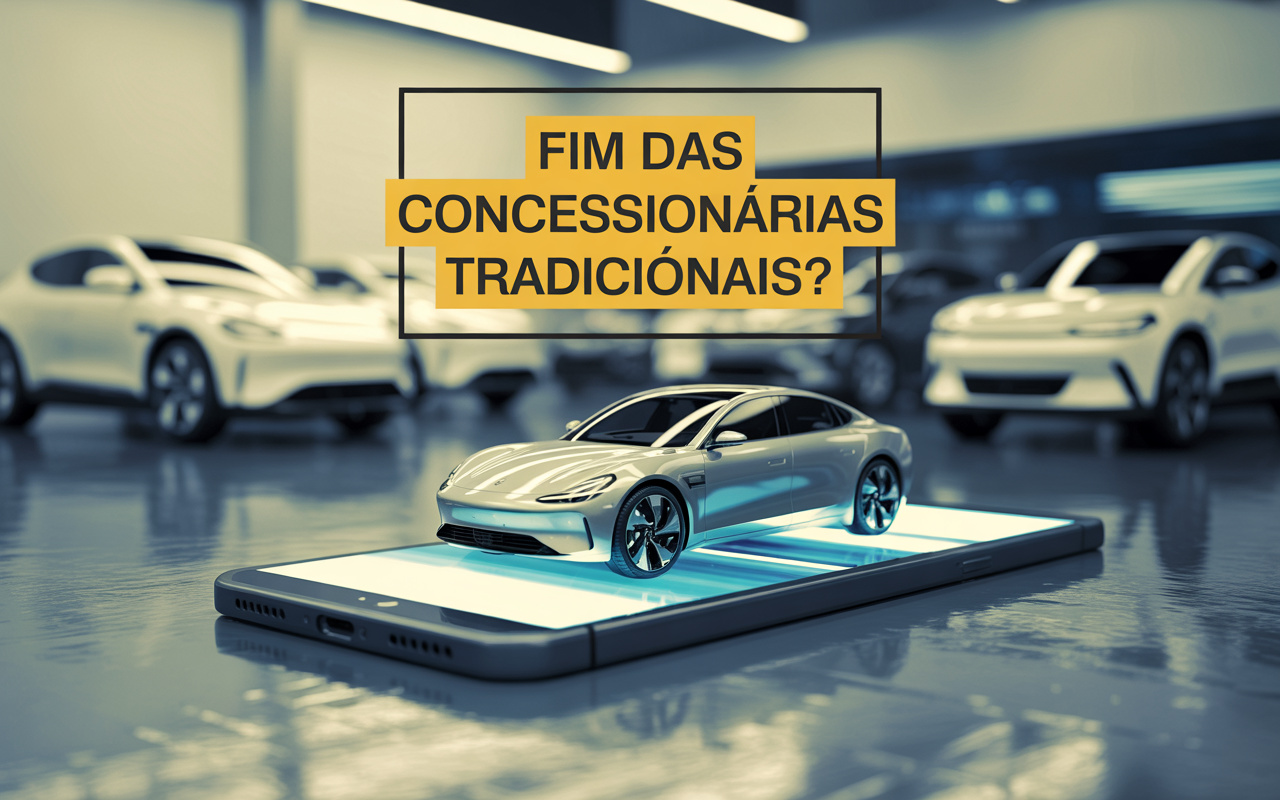
Platforms Like Instacarro and Webmotors Revolutionize the Used Car Market in Brazil, Reducing the Average Selling Time from 45 Days to Less Than 1 Hour and Threatening the Model of Traditional Dealerships.
For decades, selling a used car in Brazil meant facing a long marathon of ads, phone calls, negotiations, and visits. But this scenario has changed radically in recent years. Digital platforms specializing in buying and selling automobiles are revolutionizing the market, reducing the average selling time from 45 days to less than one hour, according to industry data.
With the advancement of digitalization and the popularization of automated appraisal solutions, traditional dealerships are losing ground to automotive startups and marketplaces that offer speed, security, and transparency — three factors that modern consumers value the most.
The Transformation of the Used Market
Brazil is one of the countries where the used car market is growing the fastest in the world. According to Fenabrave (National Federation of Motor Vehicle Distributors), the country sold about 11 million new and used vehicles in 2024, a number nearly four times greater than that of new vehicles.
-
Electric trucks may force companies to put more vehicles on the roads to transport the same load, and the unexpected reason lies in the weight of the batteries.

-
Residents are trying to prevent electric cars from charging inside buildings due to fear of battery fires, placing condominiums at the center of a dispute between safety, misinformation, and the future of mobility.

-
The return of the Chevrolet Celta: GM already has a response to the BYD Dolphin Mini with an 88 hp electric car and up to 403 km of range

-
BYD Yuan Plus 2025 debuts new generation with up to 326 hp, 630 km range, and 5% to 97% recharge in 9 minutes, 68.5 kWh Blade battery, and 750-liter trunk





Behind this change is consumer behavior. With the average price of zero-kilometer cars exceeding R$ 120,000, used cars have become the primary purchase alternative — and, naturally, the sector has become fertile ground for technology.
Companies like Instacarro, Webmotors, OLX Autos, and iCarros have developed platforms that automate a large part of the process: from appraisal to transfer of ownership, everything is done digitally, without the need for visits to dealerships or direct contact between buyer and seller.
How the New Digital Model Works
The model is simple but extremely efficient. The owner registers their vehicle on the platform, inputs information like mileage, year, version, and general condition, and the system makes an automatic appraisal based on pricing algorithms.
These algorithms analyze thousands of recent ads and transactions in real-time, cross-referencing data on model, location, and demand to estimate the fair market value.
Then, the vehicle is listed in a digital auction that connects hundreds of retailers and dealerships, allowing bids to occur in a matter of minutes.
According to Instacarro, on average, 70% of cars are sold in less than 1 hour after publication. OLX Autos reports that, in some cases, payment to the owner occurs on the same day as the vehicle delivery, something unimaginable a few years ago.
Artificial Intelligence and Big Data as a Differential
The great technological turnaround lies in the platforms’ ability to predict market behavior and automatically adjust prices. Using artificial intelligence and predictive analysis, they can identify patterns of appreciation or depreciation of certain models weeks in advance, guiding both buyers and sellers.
This represents a break from the traditional model, where pricing was “eyeballed” by experienced sellers. Today, the value is set by the algorithm, fed by databases with millions of historical records and regional variables.
This automation has drastically reduced negotiation time, increased liquidity, and virtually eliminated the risk of fraud — as all transactions undergo background checks, digital inspections, and document verification.
The Decline of the Traditional Model
Conventional dealerships still have a place but face an inevitable transformation. Once dominant, they now compete with platforms that can sell faster, with lower margins and greater transparency.

According to industry consultancies, the average margin of physical stores has fallen from 14% to 8% in the last five years, while digital platforms operate with high turnover and lower fixed costs.
The new generation of consumers also prefers convenience over in-person experience: 73% of used car buyers in 2025 stated they would conduct the entire process online, if possible.
Traditional companies are trying to react by adopting hybrid models, with online appraisals and physical delivery, but the trend is clear: the future of dealerships is digital.
Billions in Movement
The digital used car market generates billions in revenue.
OLX Autos, for example, reached over R$ 6 billion in sales value in the last year before restructuring its operations in the country. Webmotors, a pioneer in the segment, expanded its user base and began operating in financial intermediation and insurance.
In addition to them, new startups are emerging with specific proposals — from platforms that buy cars directly from consumers to systems that connect regional dealerships to automated auctions. The result is a highly competitive and expanding digital ecosystem.
What Comes Next
Experts believe that the next step will be the complete integration of the purchasing, financing, and insurance processes into a single digital interface.
That is, the consumer will be able to appraise, sell, finance, and buy another vehicle in the same app, without even leaving home.
In the long term, this change could completely redesign the role of dealerships. They would cease to be the center of the transaction to become points of experience and delivery, where the customer simply picks up the car purchased online.
The New Rule of the Game
The transformation of the used car market is a reflection of what is happening in various sectors: technology eliminating intermediaries and putting the consumer in charge.
With processes becoming increasingly fast, transparent, and data-driven, vehicle sales stop relying on subjective trust and start being based on metrics, histories, and digital guarantees.
If the car has always been a symbol of freedom, selling one has now become so.
The consumer no longer needs to wait weeks, negotiate prices, or take risks: with a cellphone in hand and a few clicks, it is possible to resolve in an hour what used to take over a month.





Be the first to react!