Portuguese
  Spanish


GM’s strategic move targets affordable EVs with advanced technology, competitive range, and national production as a trump card to face the advance of Chinese brands in Brazil.
General Motors is evaluating the introduction of a new entry-level electric car in Brazil, a move that could reposition the brand in a segment dominated by Chinese manufacturers, especially after the arrival of cheaper models with good range in the national market.
In this scenario, the Wuling Binguo Pro emerges as the main candidate, as the compact hatchback is sold in China by the SAIC, GM, and Wuling alliance and brings together characteristics aligned with the growing demand for urban and affordable electric vehicles.
There is still no official confirmation of a launch, nor a definition of a name or price for the Brazilian market, but the possibility is already circulating internally as part of a broader electrification strategy for Chevrolet in the country.
-
Electrified Cars Made or Assembled in Brazil Now Account for 39% of Sales, Driving Industrial Shift in the Sector

-
Renault Kwid Outsider 2023: Affordable Used Hatchback with 1.0L Engine, 15.7 km/l Efficiency, and Ample Cargo Space for Around $11,000

-
Chevrolet SUV Offers 153 hp Engine, 620 km Range, and ADAS Features at a Lower Price Than a New Kwid

-
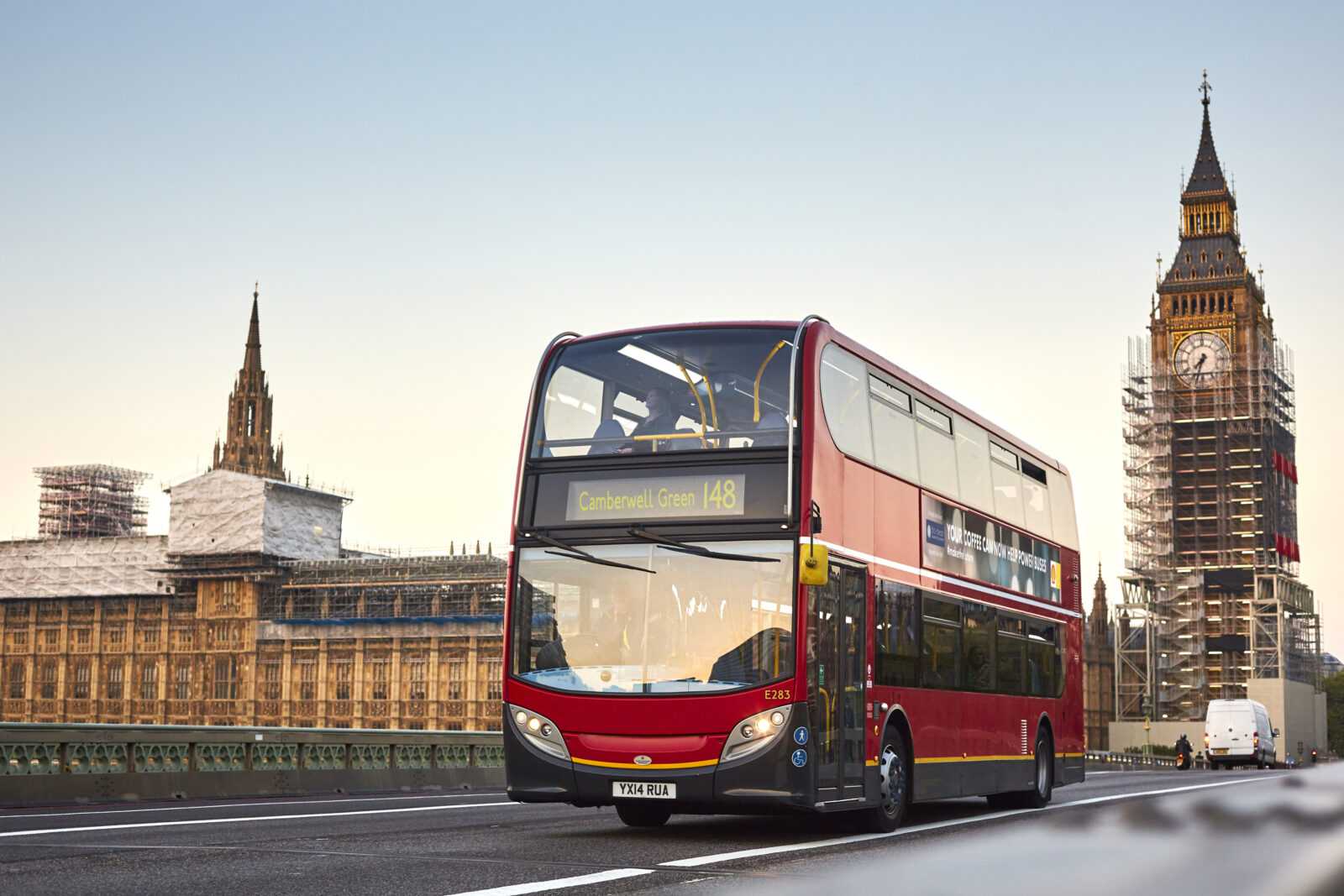
London buses run on biofuel made from coffee grounds, turning café waste into sustainable public transport fuel without engine modifications.


According to a report published by Autoesporte, the model is under study within GM as a possible response to the advance of compact electric vehicles in the country, especially those that are gaining ground with more competitive prices.
Chevrolet evaluates entry into the popular EV segment
With compact dimensions and an urban proposal, the Binguo Pro fits into a strategic range for GM, allowing it to compete for consumers who currently opt for Chinese electric models with more aggressive prices and good range for daily use.

At the same time, positioning a hatchback below SUVs like the Spark EUV and Captiva EV would open up space for the brand to operate at an entry level, expanding the reach of its electric line without relying exclusively on larger vehicles.
According to Autoesporte newspaper’s investigation, executives linked to the project avoid confirming details but indicate concrete interest in the Brazilian market, although final decisions depend on commercial and industrial viability.
Another relevant factor involves the structure of the joint venture between SAIC, GM, and Wuling, which already allows for technology and platform sharing, facilitating the adaptation of models for different markets with relatively quick adjustments.
Technical specifications and dimensions of the electric hatchback
With 4.05 meters in length, 1.76 meters in width, 1.58 meters in height, and a 2.56-meter wheelbase, the Binguo Pro occupies an intermediate position between subcompacts and larger hatchbacks, offering a balance between interior space and urban dimensions.
In terms of mechanics, the model features a front electric motor of 65 kW, equivalent to 88 hp, a configuration sufficient for urban commuting and daily trips, the main focus of this type of vehicle in the current electrification scenario.
Battery options allow for declared ranges between 330 km and 403 km in the Chinese cycle, although these numbers are not directly comparable to the Brazilian standard used by Inmetro.
Considering this methodological difference, the homologated range in Brazil tends to be lower, which reinforces the need to prioritize the longer-range version if the model is effectively launched in the country.
In this context, exceeding the 300 km official range mark becomes a relevant objective, especially for consumers who still show resistance to adopting electric vehicles due to fear of usage limitations.
Fast charging and V2L technology gain prominence

Among the main technical attractions, fast charging stands out as an important differentiator, as the model promises to recover from 30% to 80% of the battery in about 15 minutes, provided it is connected to compatible infrastructure.
Additionally, the V2L system enhances the vehicle’s versatility by allowing the stored energy to power external equipment, a feature that can be useful in different situations, such as travel, work, or emergencies.
With a power of up to 3.3 kW, this functionality is still uncommon among entry-level cars in Brazil, which may help position the model more competitively against direct rivals.
Competitive price in China draws industry’s attention
In the Chinese market, the Binguo Pro was launched with prices between 58,800 and 72,800 yuan, amounts that, in direct conversion, are close to R$ 44,000 to R$ 54,000, without considering taxes, logistics, or necessary adaptations.
Although this conversion does not represent the final price in Brazil, it helps to understand the model’s positioning as an affordable electric vehicle within its proposal, a factor that has driven the expansion of such vehicles in various markets.
The newspaper also pointed out that the strategy of lower prices is central to the advancement of Chinese brands outside their territory, pressuring traditional manufacturers to react with more competitive products.
Within the Brazilian scenario, the most realistic expectation indicates values above R$ 100,000, depending on factors such as importation, local assembly, and definition of available equipment.
Celta name may return, but without official confirmation
The possibility of reviving the Celta name emerges as a relevant commercial alternative, as the original model had a strong presence in the Brazilian market and is still remembered by consumers.
Even so, Chevrolet has not confirmed any plans in this regard, keeping the naming strategy open for a potential compact electric launch in the country.
Meanwhile, the company is evaluating different paths, which may include both well-known names and new designations aligned with the brand’s current global identity.
In an interview with the Autoesporte newspaper during the Beijing Motor Show, a Wuling representative avoided commenting directly on Brazil, signaling caution in the face of information still in the preliminary stage.
Production in Ceará could enable launch
In the industrial field, the PACE factory, located in Horizonte, Ceará, appears as a viable alternative to enable the model’s arrival in Brazil through local assembly.
The unit is already part of GM’s strategy for electric vehicles, including projects like Spark EUV and Captiva EV, which reinforces its importance within the brand’s electrification plan.
Using this production model in SKD or CKD regime can reduce logistical and tax costs, although it still depends on imported components and the company’s strategic decisions.
Competition with BYD and Geely accelerates plans
The growing presence of brands like BYD and Geely in Brazil has accelerated market transformation, especially with the introduction of cheaper electric vehicles with sufficient range for urban use.
In this scenario, the entry of a compact electric hatchback from Chevrolet would not only expand the portfolio but also allow the brand to directly compete with consumers who are currently migrating to Asian competitors.
More than price, factors such as range, cost-effectiveness, and trust in the dealership network tend to influence the purchase decision, making this segment one of the most strategic for the coming years.
The decision on the launch still depends on variables such as commercial viability, approval, and industrial strategy, but the project’s progress indicates that the competition for affordable electric vehicles is set to intensify in Brazil.