






 Portuguese
  Spanish


BYD electric SUV evolves in dimensions, performance, and technology, focusing on greater range and ultra-fast charging, while expanding interior space and repositioning the model in a more competitive segment within the global electrified vehicle market.
Presented at the Beijing Auto Show in 2026, the new Yuan Plus marks the third generation of BYD’s electric SUV and arrives with an enlarged body, redesigned exterior, and a more powerful mechanical set, capable of reaching 326 hp and 630 km of range in the Chinese CLTC cycle.
Still without a confirmed date for the Brazilian market, the model emerges at a time when the brand has already promoted a recent update of the SUV in the country, a factor that naturally reduces the expectation of an immediate arrival of this new generation.
Compared to its predecessor, there was growth in all external dimensions, now reaching 4.65 m in length, 1.89 m in width, 1.67 m in height, and a wheelbase of 2.77 m, expanding interior space and visual presence.
-
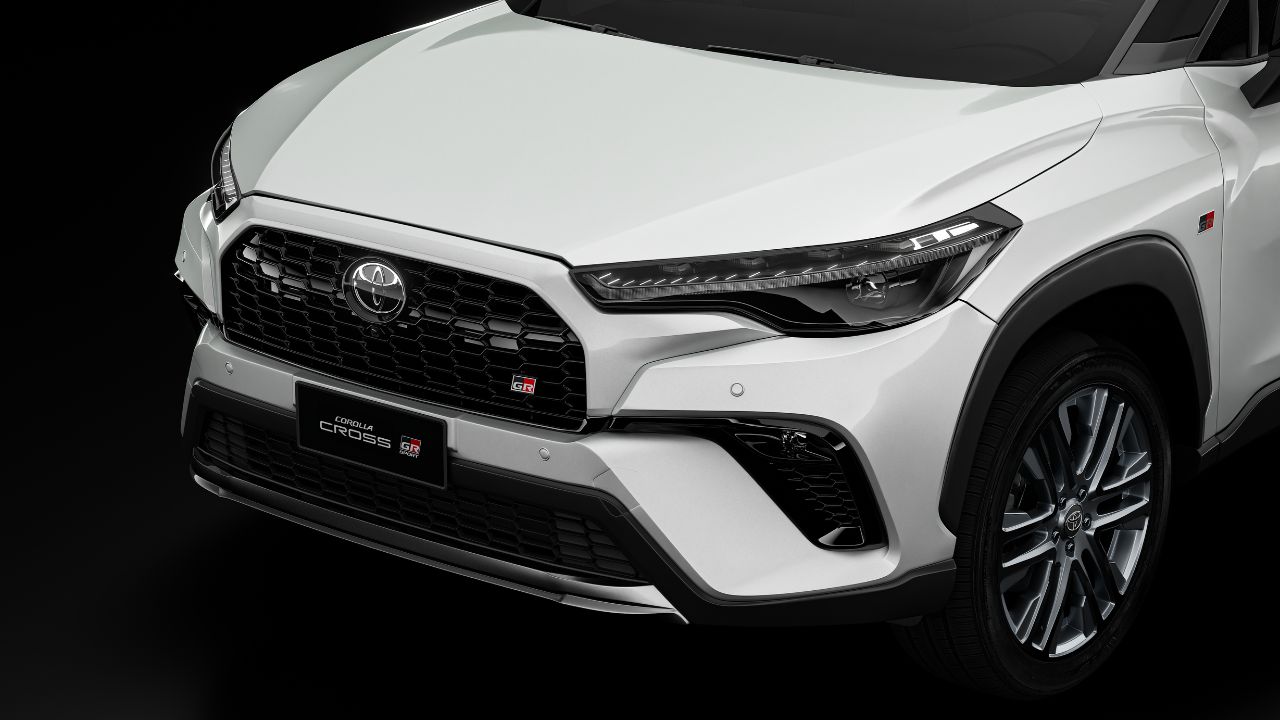
2027 Toyota Corolla Cross Unveiled: New Design, Enhanced Fuel Efficiency, Reduced Maintenance Costs, Advanced Technology, Connected Services, and Up to 10-Year Warranty

-
Fiat Cronos Precision 2018: Affordable Sedan with Spacious Trunk and Reliable Maintenance
-
Volkswagen to Cut Production by 1 Million Cars by 2030, Reducing Jobs and Platforms, Focusing on More Profitable Models

-
Toyota Launches First 100% Electric Car in Brazil: bZ4X with 343 HP, All-Wheel Drive, 361 km Range, Priced at $419,990 BRL, Limited to 99 Units



With this increase in size, the utility vehicle begins to flirt with mid-size SUVs, offering greater comfort for occupants and more robust cargo capacity, with 750 liters in the rear trunk and an additional 101 liters in the front compartment.
New BYD Yuan Plus 2025 design reinforces size and visual identity
Visually, the front end has been redesigned with a more robust bumper, more pronounced hood lines, and a narrower optical assembly, creating a more modern appearance aligned with BYD’s latest global design language.

At the rear, the signature interconnected taillights remain, but with a new internal design and more refined integration into the trunk lid, which has also been redesigned to match the increased external dimensions.
Furthermore, the versions presented feature wheels up to 19 inches, partially recessed door handles, and cleaner surfaces, contributing to a more sophisticated and distinct look compared to the model currently sold in Brazil.
Electric powertrain reaches 326 hp and extends range
From a technical standpoint, the main evolution is in the electric powertrain, which now offers different power levels depending on the version, always with the motor positioned on the rear axle in the Chinese market.
In the entry-level versions, the system uses a 200 kW motor, equivalent to 272 hp, combined with a 57.5 kWh Blade battery, ensuring a range of up to 540 km in the CLTC cycle, known for presenting more optimistic figures.
In the more complete configurations, power increases to 240 kW, equivalent to 326 hp, while the battery grows to 68.5 kWh, extending the range to up to 630 km, always considering the Chinese measurement standard.
It is worth noting that, upon arriving in Brazil, these numbers tend to be lower due to the more rigorous criteria adopted by Inmetro, which better reflect real-world usage conditions in the country.
Ultra-fast charging is a highlight with Flash Charging technology

Another highlight is the fast charging system, with Flash Charging technology allowing, according to released data, to recover the charge from 10% to 97% in approximately nine minutes, provided it is connected to compatible high-power chargers.
However, the practical application of this technology in Brazil directly depends on the available infrastructure, which is still limited in terms of ultra-fast chargers, potentially significantly impacting the real charging time in daily use.
Thus, factors such as charging station type, battery temperature, initial state of charge, and power grid limitations directly influence the system’s performance outside the ideal environment presented by the manufacturer.
Redesigned interior bets on technology and light finishes
Inside, the model retains the 15.6-inch rotating multimedia screen and digital dashboard, but now features a new dashboard design, with redesigned air vents and materials that reinforce its sophisticated appeal.
The images indicate a significant change in the finish standard, with a predominance of light tones that enhance the feeling of space, contrasting with the darker approach adopted in the version currently sold in Brazil.

Key equipment includes a sound system with 16 speakers, ambient lighting with 256 colors, a panoramic sunroof, and dual-zone digital air conditioning, reinforcing the SUV’s more premium positioning.
Also present are an induction charger of up to 50 W, as well as higher power via cable, comfort adjustments for the front passenger, and, in certain versions, additional items such as a mini-fridge and electric tailgate opening.
Launch in Brazil still expected to take time
Initially planned for the Chinese market, the new Yuan Plus is expected to follow a gradual international expansion strategy, reaching other markets only after consolidating its domestic presence.
In the Brazilian case, the recent update of the current lineup indicates that the new generation is still expected to take time to arrive, especially considering the typical lifecycle of the brand’s electrified models.
Today, the model sold in the country includes updated versions, such as the AWD configuration with all-wheel drive and increased power, which reduces the immediate need for a complete replacement by a new generation.
Until its eventual arrival, aspects such as range, equipment, and even technical specifications may undergo adjustments to meet local requirements, including homologation standards and usage conditions in Brazil.
In this scenario, the 630 km range disclosed under the CLTC standard should be interpreted as a technical reference, without direct equivalence to the numbers that will be officially homologated for the Brazilian market.








