





 Portuguese
  English
  Spanish
  4 min of reading
  0 comments


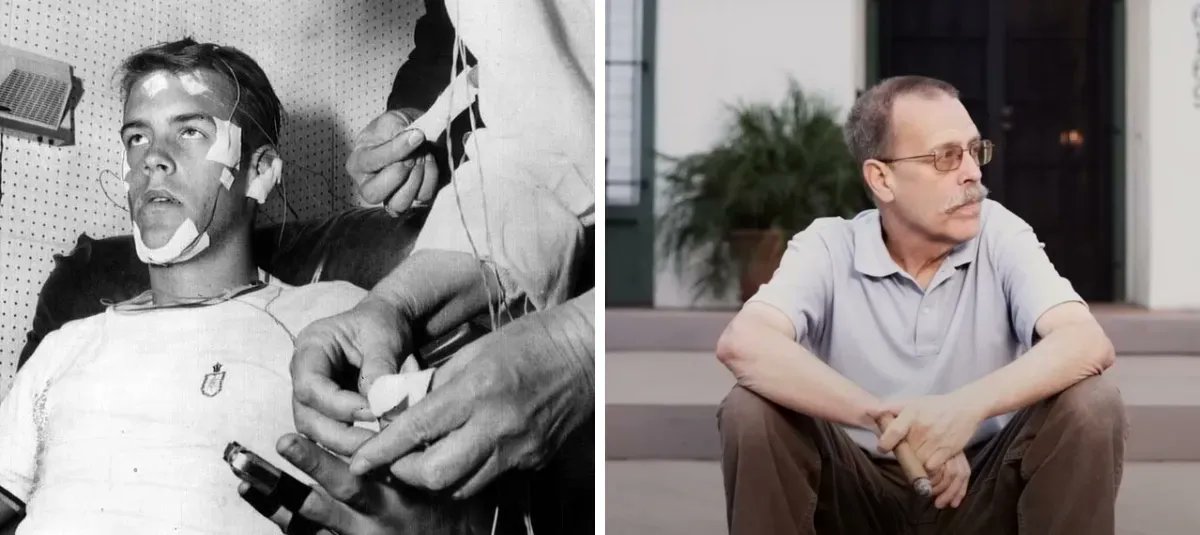
In 1964, Randy Gardner stayed awake for 264 hours, entered the Guinness Book, and became one of the most studied cases of extreme sleep deprivation.
In December 1964, a 17-year-old student named Randy Gardner decided to test the physiological limits of the human body by staying 264 consecutive hours awake, equivalent to 11 full days. What started as a school science project in San Diego, California, ended up becoming one of the most documented cases in the history of extreme sleep deprivation.
The feat was officially recognized by the Guinness World Records, solidifying the world record for the longest time without sleep ever recorded under scientific monitoring. Decades later, the episode is still cited in studies on sleep neuroscience, circadian rhythm, and the cognitive impact of acute deprivation.
The Experiment That Started as a School Project
The experiment took place in San Diego and was initially conducted by Gardner’s schoolmates. However, it quickly began to be monitored by researchers, including neuroscientist William C. Dement, considered one of the pioneers in sleep medicine.
-
A large part of the Netherlands lies below sea level and remains dry only because an invisible machine of dikes, pumps, and giant gates works nonstop, a system born from the tragedy of 1953, when the North Sea invaded the country and killed 1,836 people.

-
The largest bridge in Finland has just been inaugurated and cars simply cannot pass on it; only trams, bicycles, and pedestrians are allowed to cross the 1.2 km giant with a 135-meter pillar over the Baltic Sea.
-
Larger than Belgium and nestled at the mouth of the Amazon, Marajó Island is a giant that Brazil has forgotten, surrounded by water and energy on all sides, yet still isolated, poor, and dependent on diesel brought by barge.
-
Weighing as much as nine nuclear aircraft carriers, the Pioneering Spirit is the largest ship ever built and was made for a single task that no other machine in the world can accomplish: removing entire oil platforms from the seabed of the North Sea in one go.




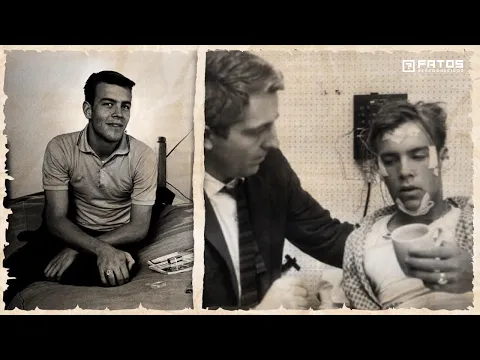

The goal was to systematically observe the effects of prolonged wakefulness on:
- Cognitive Function
- Motor Coordination
- Mood
- Memory
- Sensory Perception
In the first few days, the symptoms were considered mild. However, as the hours progressed, signs of neurological deterioration became progressively more evident.
Symptoms of Extreme Deprivation Over the 264 Hours
During the 11 days awake, medical reports recorded significant changes in Gardner’s brain function. Among the main documented symptoms were:
- Difficulty with Speech and Logical Reasoning
- Recent Memory Problems
- Episodes of Disorientation
- Mild Hallucinations
- Intense Mood Swings
- Decreased Motor Coordination
At one point, Gardner had difficulty even performing simple calculations and identifying objects by touch. Neuropsychological tests indicated a significant decline in attention and information processing.
Despite the temporary cognitive impairment, examinations conducted after the experiment did not indicate detectable permanent neurological damage.
What Happened When He Finally Slept?
After completing the 264 hours awake, Gardner was taken to rest under medical supervision. He slept for approximately 14 consecutive hours.
In the following days, there was a phenomenon known as REM Sleep Rebound, where the body prioritizes deep sleep phases to compensate for prior deprivation. Within a few weeks, his sleep pattern was considered normal.

The case demonstrated that the human body can withstand prolonged periods of wakefulness, but with severe and progressive impacts on brain function.
Why Did Guinness Stop Accepting Sleep Deprivation Records?
Gardner’s record was officially included in Guinness. However, years later, the organization decided to remove the category related to extreme sleep deprivation.
The decision was motivated by:
- Cardiovascular Risks
- Possible Neurological Damage
- Incentive to Dangerous Behaviors
- Lack of Medical Safety in Subsequent Attempts
Since then, Guinness has not officially recognized new attempts of this kind, making the 1964 case an unsurpassable historical milestone from a formal standpoint.
What Science Learned from the Randy Gardner Case
The 1964 experiment contributed to expanding scientific understanding of:
- The Importance of Sleep for Memory Consolidation
- The Relationship Between Deprivation and Hallucinations
- The Impact of Circadian Rhythm on Hormonal Regulation
- Cognitive Changes Reversible After Restorative Sleep
Subsequent research has shown that chronic sleep deprivation is associated with an increased risk for:
- Cardiovascular Diseases
- Type 2 Diabetes
- Immunocompromised Conditions
- Mood Disorders
- Higher Probability of Accidents
The brain relies on sleep to restore synaptic functions, regulate neurotransmitters, and maintain metabolic balance.
Sleep Deprivation: What Are the Physiological Limits?
Although Gardner did not show documented permanent damage, studies indicate that severe deprivation can cause:
- Reduced Judgment Capacity
- Hormonal Changes (Cortisol and Leptin)
- Immunocompromised System
- Involuntary Micro-Episodes of Sleep
- Increased Risk of Critical Cognitive Failures
Prolonged absence of sleep directly affects the central nervous system and may compromise the perception of reality.
In extreme and rare cases, genetic disorders such as fatal familial insomnia show that sleep is biologically indispensable for survival.
The Scientific Legacy of the 1964 Record
Decades later, Randy Gardner reported that he did not suffer severe long-term consequences, although he mentioned occasional episodes of insomnia in adulthood.
The case became a classic reference in studies on:
- Sleep Neuroscience
- Biological Rhythm
- Extreme Fatigue
- Human Physiological Limits
More than just a record, the episode consolidated a clear scientific message: sleep is not optional — it is an essential biological necessity for brain and metabolic functioning.
The Record That Became a Scientific Warning
In 1964, an American student stayed awake for 264 hours and entered the Guinness World Records. The experiment revealed significant cognitive deterioration, including hallucinations and memory lapses, but no permanent damage was identified.
More than 60 years later, the case continues to be cited as one of the most extreme episodes ever recorded of human resistance to sleep deprivation and also as one of the greatest scientific warnings about the limits of the human body.
Randy Gardner’s experience not only marked a historic record but also helped solidify the modern foundation of studies on sleep, circadian rhythm, and neurological health.







Be the first to react!