






 Portuguese
  Spanish


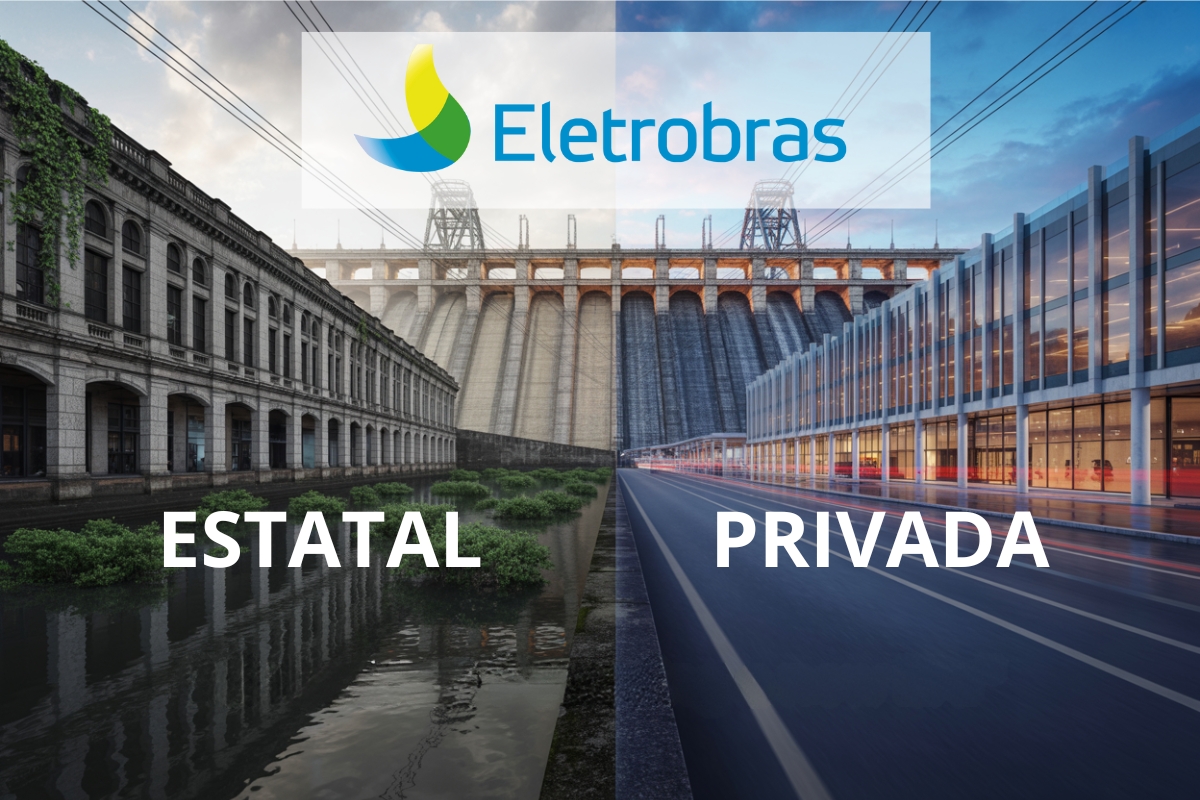


Eletrobras, The Largest Utility In South America, Seeks To Consolidate After The 2022 Privatization. With Cost Cuts, Asset Sales, And Record Profits, It Still Faces Political Risks And Market Pressure
Eletrobras, the largest electric utility in South America, is undergoing a transformation that symbolizes the challenges of privatization in Brazil.
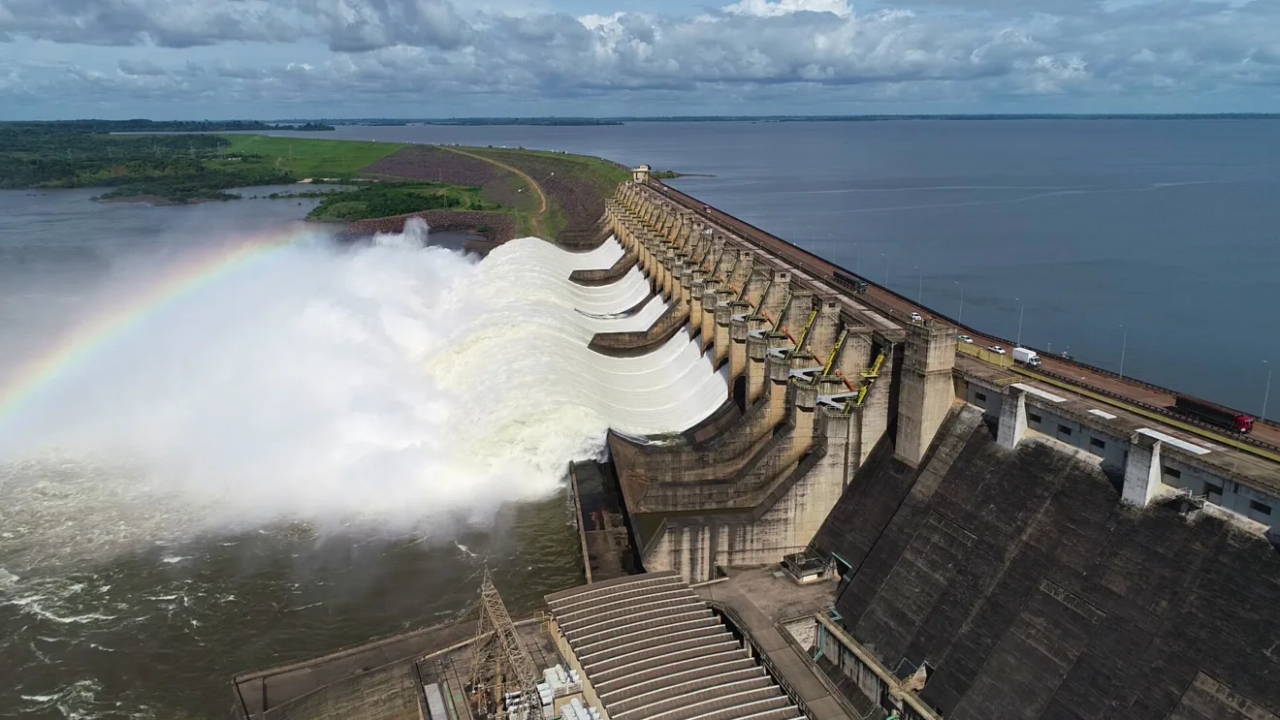
With hydroelectric plants and transmission lines capable of supplying up to 75 million homes, the company that was once synonymous with Brazil’s “economic miracle” now presents itself as a case study on the difficulties – and opportunities – of unraveling the knot of state bureaucracy.
The Challenge Of Turning The Page On Nationalization
Since the federal government relinquished its majority control in 2022, the company has been undergoing an intense restructuring phase.
-
Brazil’s 2026 Tax Refund: Record 9.58 Million Filers in Largest Payout Ever, But a Key Detail on Priority Recipients Draws Nationwide Attention

-
Itaú Alters Hybrid Work Model, Increasing Office Days from 2028, Prompting Employees to Adjust to New Routine
-
Facing Labor Shortage, Japan Plans to Invest $34 Million to Attract Foreign Workers in Construction, Healthcare, Industry, and Commerce

-
Brazilian City Makes Remarkable Leap, Becomes 4th Wealthiest in the Country with GDP of R$ 134.1 Billion




The new administration, led by former Petrobras CEO and former CFO of Banco do Brasil, Ivan Monteiro, and executives from the financial sector and energy, aims to modernize processes, reduce costs, and restore predictability to a business that, over the decades, accumulated assets as unlikely as hospitals, cinemas, hotels, and even an airport.
This legacy partly explains the inefficiency that has marked the recent trajectory of the state-owned enterprise. The units operated almost in isolation, with no real integration with the holding company, which compromised results and delayed the consolidation of balance sheets.
But signs of recovery are beginning to emerge. After announcing robust revenue growth in August 2025 and paying attractive dividends, the company saw its shares exceed the privatization offer price set at R$ 42.
“Imagine managing a company like this right after privatization, with investors demanding immediate results”, Monteiro stated in an interview. “What matters is the direction. We are healthier than before and our shareholders understand the long-term horizon.”
Restructuring And Cost-Cutting
Since September 2023, Monteiro has been leading an aggressive cost-reduction strategy. According to financial reports, operating costs fell by 18% and the workforce was reduced by 17%. Some non-strategic assets were sold, such as gas-fired thermoelectric plants transferred to Ambar Energia.
The change is also cultural: the company replaced its old office building in Rio de Janeiro with a modern headquarters featuring shared spaces, in an attempt to bury the hierarchical and bureaucratic style inherited from the state period.
CFO Eduardo Haiama, formerly of Equatorial Energia, does not hide that further divestments will come. “If it were up to me, we would sell everything”, he said, highlighting the interest in divesting minority stakes valued at over R$ 30 billion.
Unusual Assets And Historical Legacy
Founded in 1962, Eletrobras was a driver of Brazilian growth during the 1960s and 1970s when the country saw annual expansions above 10%. To build hydroelectric plants such as Furnas or the Paulo Afonso Complex, entire cities were constructed. This epic tale explains its unusual assets.
In São José da Barra (MG), for example, the company still owns an airport, hotels, and a cinema. One of the hotels and the airport are currently used by the Brazilian Navy, but the other properties are in the process of being sold.
The hospital built in Bahia to support the construction of the Paulo Afonso Complex was donated, in 2024, to a local university.
The Weight Of Politics And The Eye Of Investors
Despite the advances, the exit from state shadow remains incomplete. The federal government still holds about 45% of the shares, with special voting rights that maintain significant influence over the company.
Recently, the administration of President Luiz Inácio Lula da Silva increased its presence on the board, raising the perception of political risk.
“Eletrobras is still not treated by the market as a private company”, analyzes Vitor Sousa of Genial Investimentos.
“This will only happen if there is a drop in interest rates, maintenance of the privatization strategy, and less political interference.”
In the fiscal year 2024, the company registered net income of R$ 10.4 billion, compared to R$ 3.6 billion in 2022, the year of privatization. Still, the payment of dividends – R$ 4 billion in the last fiscal year – is not expected to repeat with the same intensity, according to Monteiro.
The executive emphasizes that the balance between immediate returns to shareholders and long-term investments will be crucial.
Privatizations In The Region And The Dispute Of Models
Eletrobras’s experience is being closely watched by neighboring Latin American countries. In Argentina, President Javier Milei promises a broad privatization agenda.
In Brazil, São Paulo Governor Tarcísio de Freitas, considered a candidate for the presidency in 2026, has already moved forward with the sale of Sabesp, the country’s largest sanitation company.
“It’s a long and risky process”, evaluates Alexandre Sant’Anna of ARX Capital Management. “Eletrobras has become leaner and more transparent, but there is still much to be done.”
Renewable Energy And New Bets
At the same time, the utility is trying to adapt to a rapidly changing market. The explosion of solar and wind energy is pressuring prices and altering the logic of long-term contracts. The company estimates that by 43% of its available energy in 2027 is still uncontracted, betting on higher prices in the future.
It is also seeking to modernize its commercial structure and invest in technology. The highlight is the Atmos platform, an in-house weather tool developed to predict demand and optimize the maintenance of power plants.
“Our work is not just to modernize infrastructure but to create future opportunities”, explained Vice President Juliano Dantas.
A Future In Dispute
The fate of Eletrobras remains open. Amid pressure from Brasília, the need to deliver dividends, and the challenges of a rapidly changing sector, the company is trying to prove it can be an efficient giant in the private market.
“We are committed to executing everything we discussed: cost reduction, transparency, and maturity”, Monteiro said. “It is still a process, but we are on the right track.”









Very well presented. Every quote was awesome and thanks for sharing the content. Keep sharing and keep motivating others.