






 Portuguese
  Spanish


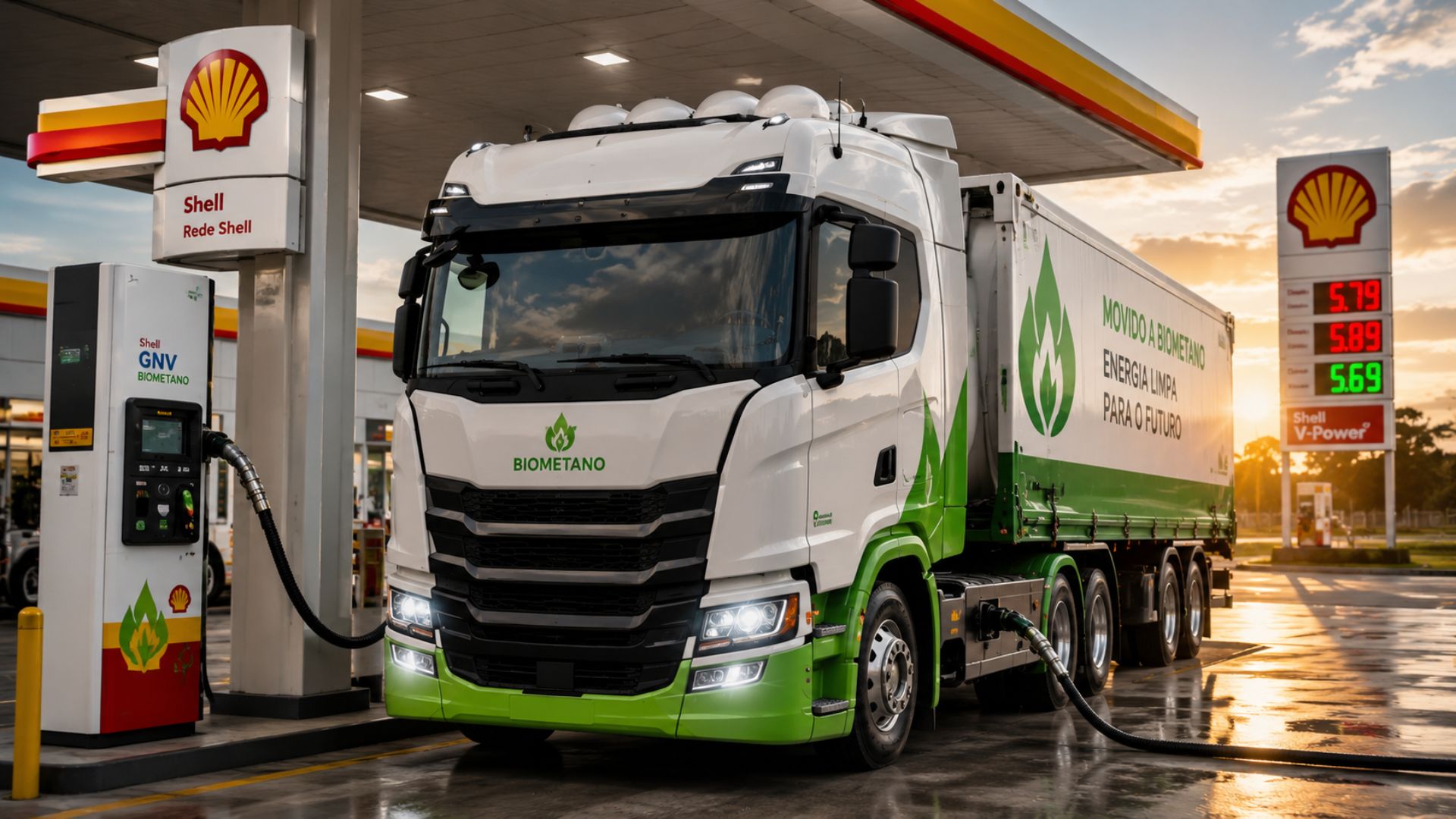

Expansion of biomethane in heavy transport accelerates changes in sugar and ethanol logistics, reduces dependence on imported diesel, and opens a new dispute among truck manufacturers in Brazil, while plants increase investments in renewable fuel produced from sugarcane waste.
Focusing on reducing diesel in heavy transport, Copersucar has expanded the use of biomethane produced from sugarcane waste and already maintains over 70 trucks fueled with renewable fuel on routes linked to sugar flow to the Port of Santos.
Since April 2024, when the BioRota project officially began, the operation has gained scale with the entry of partner carriers, especially ReiterLog, currently responsible for most of the vehicles in circulation within the initiative.
While increasing the participation of renewable gas in logistics, the company works with the goal of gradually replacing the entire road fleet used in the movement of sugar and ethanol.
-
ChatGPT Alerts FBI to Prevent Planned Murder of 8-Year-Old in Brazil’s Espírito Santo

-
Scientists Discover 125-Million-Year-Old “Pregnant Fossil” with Preserved Embryos and Microscopic Larvae Inside Mollusk in England

-
17-Year-Old Justin Bernstein Develops Bacteria to Produce Glass on Arctic Ice to Reflect Sunlight, Wins $50,000 U.S. Scholarship

-
The 19-Meter Rocket-Helicopter: A Private Industry Prototype That Challenged Space Race Logic


Currently, about 40% of the sugar exported by Copersucar is transported by trucks, while the remaining 60% follow railways on long-distance routes that connect the plants to the country’s main logistics corridors.
Within this road operation, vehicles fueled with biomethane already represent approximately 14% of an estimated fleet of 500 trucks used in sugar and ethanol movement activities.
“Our desire is that 100% of road transport is done with trucks powered by biomethane,” said Copersucar CEO, Tomás Manzano, during the BioRota presentation at the Port of Santos, on May 13, 2026.
Biomethane reduces operational cost in heavy transport
In addition to the environmental gain associated with emission reduction, Copersucar states that the use of biomethane already provides an operational cost reduction of between 20% and 25% compared directly to diesel-powered trucks.
According to the company, the calculation considers both the recent rise in fossil fuel prices and the greater predictability of supply when renewable gas is produced within the sugar-energy system itself.

According to Manzano, this difference helps offset the higher acquisition cost of gas-powered trucks.
“This difference in fuel is enough to compensate for the investment in the more expensive asset,” said the executive. The model chosen by the company avoids the direct purchase of trucks by Copersucar.
The transport companies invest in the vehicles, while the company guarantees cargo and biomethane for refueling, which allows for longer contracts and improves predictability for those who take on the cost of the asset.
Currently, Copersucar works with about 20 fixed transport companies and approximately 40 logistics operators.
The company opened the project to partners who already operate with diesel trucks and want to migrate to models powered by renewable gas.
ReiterLog concentrates most of the BioRota operation
Among the more than 70 trucks currently active in BioRota, 65 belong to ReiterLog, a company that has concentrated the largest operational share of the project since the beginning of Copersucar’s logistics initiative.
The other vehicles are distributed among companies such as Transvale, Rodomacro, JR, and Aguetoni, a transport company that has also started evaluating the expansion of its own biomethane-powered fleet.
Between April 2024 and March 2026, the operation carried out more than 13,000 trips, covered 11 million kilometers, and transported about 600,000 tons of sugar to the Port of Santos.
In the same period, it replaced approximately 5 million liters of diesel.
Copersucar states that the switch avoided the emission of more than 8,000 tons of CO₂.
The result reinforces the company’s thesis that heavy logistics can be one of the main fronts for the expansion of biomethane in Brazil.
Scania leads the market and JAC expands tests with gas trucks
The advancement of BioRota also stirs the competition among heavy truck manufacturers.
Scania is currently the supplier of the vehicles used by Copersucar in the project and leads the segment of gas trucks in operation in the country.
JAC Motors, through Green Cargo, has started competing with models powered by natural gas and biomethane.
The company has been testing the Q7 truck in Brazilian operations, including sugar transport routes and applications in logistics, pulp, and urban cleaning companies.
The entry of new manufacturers is seen as a relevant point to expand the supply of vehicles, reduce availability bottlenecks, and accelerate fleet renewal.
Even so, the expansion depends on the combination of trucks, financing, fuel production, and refueling points.
Biomethane production gains space in sugarcane mills
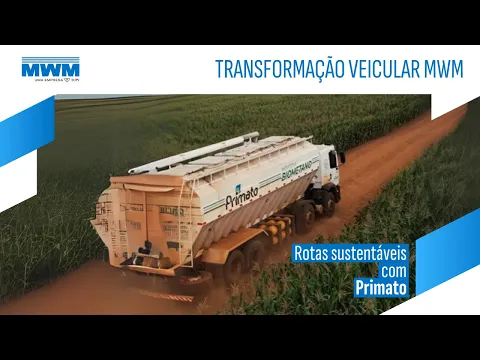

While the supply of gas-powered trucks begins to grow in the Brazilian market, the production of biomethane and the refueling infrastructure are starting to draw significant attention from plants, transport companies, and manufacturers.
Currently, the fuel used in Copersucar’s operations comes from Cocal plants located in Paraguaçu Paulista and Narandiba, in the interior of São Paulo.
Biomethane is produced from vinasse and filter cake, residues generated in the processing of sugarcane for sugar and ethanol production.
Vinasse is a liquid effluent from ethanol distillation, while filter cake results from the filtration stage of sugarcane juice.
According to Copersucar, other plants in the system are already studying biomethane production projects.
The company estimates that new plants may require investments between R$ 300 million and R$ 350 million each, depending on the scale and necessary infrastructure.
Agricultural trucks still face technical limitations
Despite advances on highways, replacing diesel within agricultural areas still faces technical limitations.
The transport of sugarcane at the plants requires more powerful trucks, with suitable traction for dirt roads and more severe operations.
The road models currently used meet the transport of sugar and ethanol, but still do not fully replace the vehicles used in the harvesting and transportation of sugarcane.
Automakers and engine manufacturers are working on more robust solutions for this type of application.
Cocal already uses biomethane in part of its lower power internal operations and replaces a portion of the diesel consumed in the units.
However, expansion will depend on the arrival of vehicles capable of operating in more demanding agricultural conditions.
Refueling network will be decisive for expanding operation
Today, trucks fueled with biomethane used in the operation have an average range close to 600 kilometers, a level considered sufficient for specific routes between producing plants and the Port of Santos.
Even so, expanding the refueling network will be necessary to allow longer operations and increase the presence of this type of fuel in other regions of the country.
Copersucar’s strategy foresees that the biomethane-producing plants themselves will function as refueling hubs.
Part of the distribution may also use the existing CNG station infrastructure, provided there is logistical adaptation and regular fuel supply.
ReiterLog has already installed a refueling station in Barueri to support the operation.
For Manzano, the stations do not represent a permanent structural barrier, as long as the demand for trucks and transport contracts continues to grow.
Copersucar maintains that it is not aware of a logistics operation for biomethane commodities on a scale similar to BioRota.
The company sees the fuel as an alternative to reduce emissions, cut costs, and utilize waste from the sugarcane chain.


