Portuguese
  Spanish


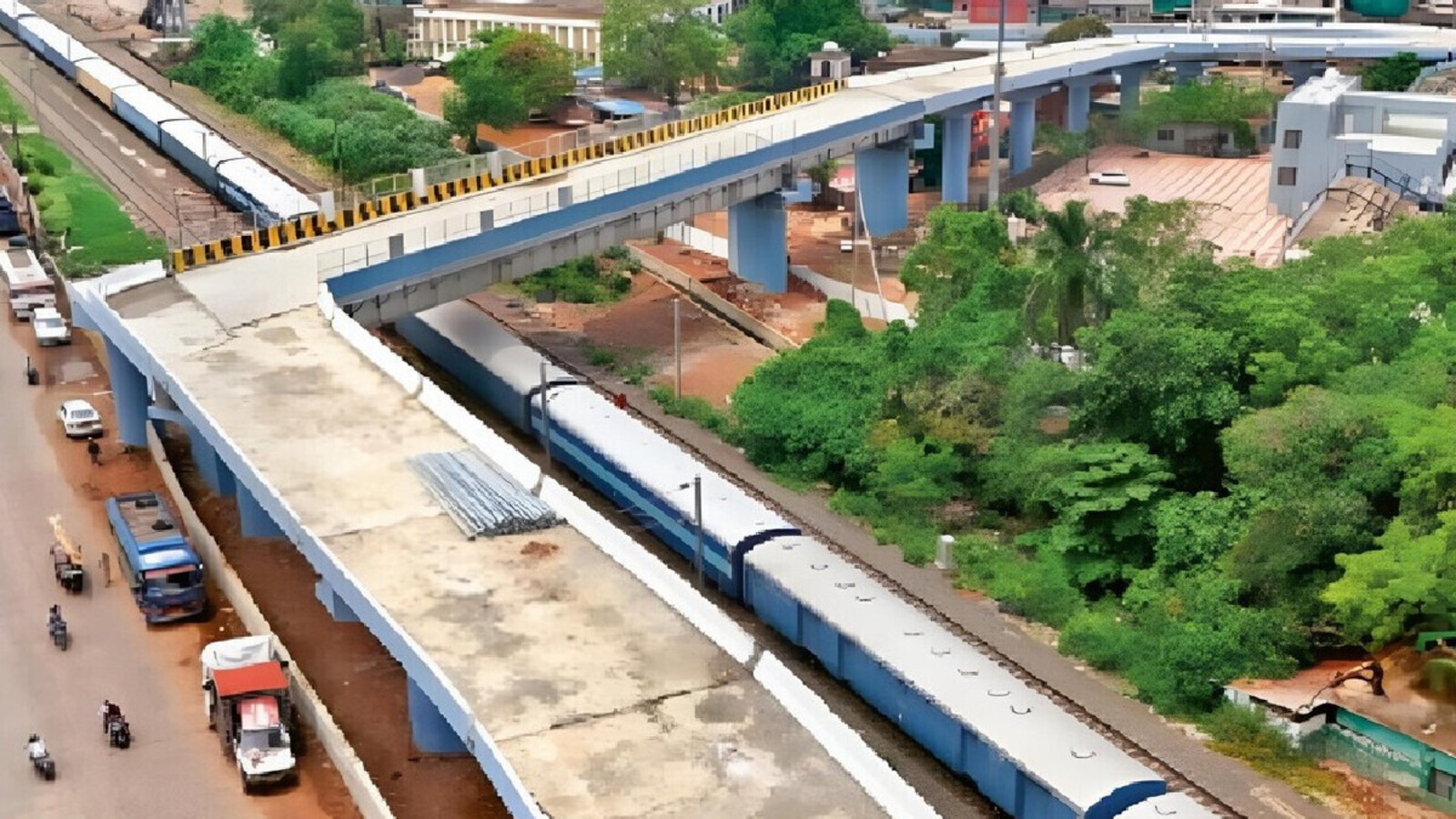

Aishbagh Rail Over Bridge railway viaduct was supposed to benefit 300,000 people in Bhopal, but became the target of criticism after photos showed a sharp curve; subsequent measurement indicated an angle of 118 degrees
The bridge in Bhopal, India, became the target of national criticism in 2025 after photos of the Aishbagh Rail Over Bridge railway viaduct showed an extremely tight curve. The project, valued at $2.3 million, led to the suspension of seven engineers from the Madhya Pradesh Public Works Department.


Bhopal Bridge was supposed to improve traffic for 300,000 people
The Aishbagh Rail Over Bridge was designed to connect three important areas of the city of Bhopal. The project aimed to reduce traffic problems and benefit around 300,000 people.
However, after a decade of construction, the completion of the viaduct generated a backlash. The first images of the structure drew attention for the very sharp curve, initially described as close to a 90-degree angle.
-
7-year-old boy acts without hesitation and saves his 1-year-old brother from drowning in the family pool in Texas: the boy’s courage impressed the sheriff and he may now receive an official police commendation.

-
The forgotten Atari stock that seemed like something out of a movie: millions of sealed cartridges were buried underground and were sold for very low prices.

-
Collector adapts forklift electric motor in a Kombi Corujinha pickup, hides 16 batteries under the bed, and makes the Brazilian classic run silently with up to 90 km of range.
-
Goodbye traditional vacuum: Samsung surprises and launches 2-in-1 robot with steam, AI that recognizes floors and stains, self-cleaning station, hot air drying, automatic emptying, water refill, and app control.


The repercussion turned the Bhopal bridge into a national laughingstock. The main question raised was how a project with such a sharp change of direction had been approved.
Sharp curve became a safety issue in the bridge project
The central point of the controversy lies in how the curve was constructed. On a road, vehicles need space to change trajectory gradually, especially after a straight section.
When the curve is too sharp, the car may struggle to stay in the lane. Therefore, road design manuals require that sharp curves be introduced progressively.
Experts cited in the material warn that a sudden change of direction after a straight section is among the most dangerous situations on a road. The driver may not be able to anticipate the maneuver in time.
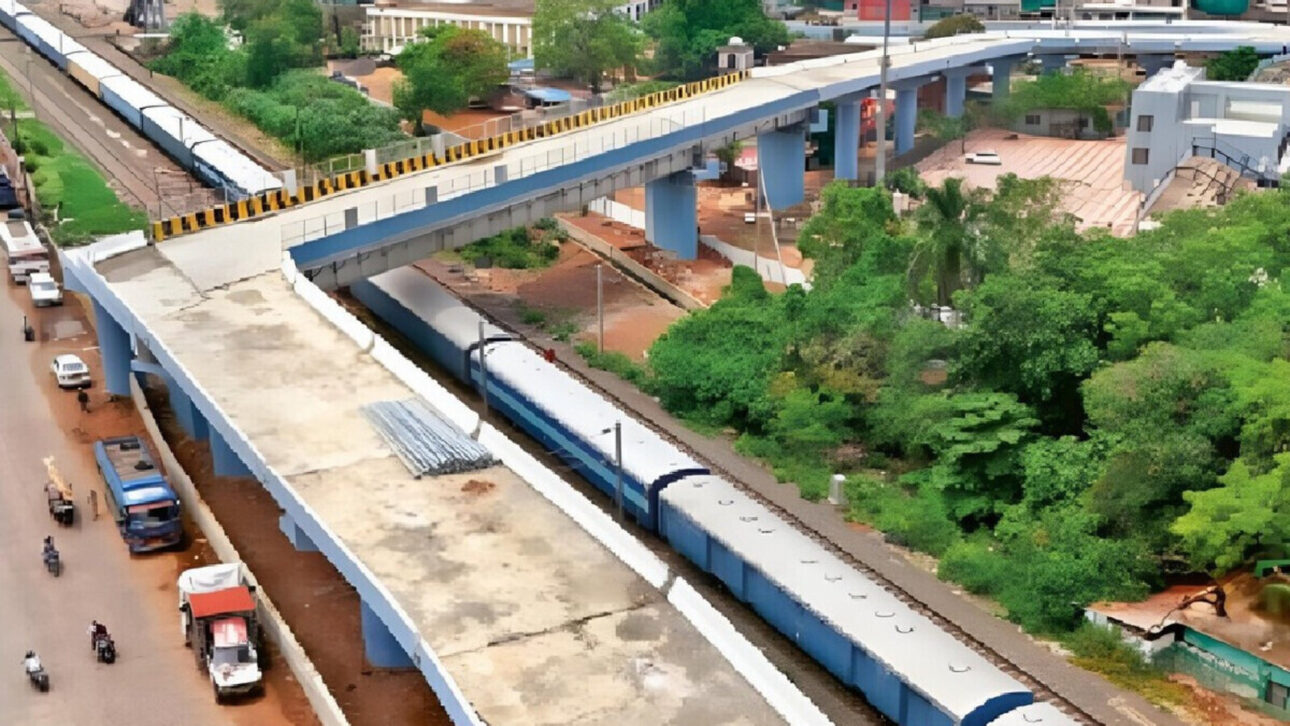
Measurement indicated the curve was not 90 degrees
Months later, the case gained new information. A specialist from the Maulana Azad Institute measured the actual angle of the curve by order of the Madhya Pradesh High Court.
The analysis found that the bridge did not make a 90-degree turn, as initially pointed out. The actual measured angle was 118 degrees.
Even so, the measurement did not eliminate the criticisms of the project. According to the chief engineer of the Public Works Department, the main problem was not just the angle, but the lack of a smooth transition between the straight section and the curve.
Similar case appeared in Indore
While the Bhopal bridge was still being criticized, another similar case emerged in the city of Indore. Residents and a state deputy expressed concern about a curve considered extremely sharp.
Despite the criticisms, the Public Works Minister stated that the overpass followed “fully approved technical designs and structural standards.”
This article was prepared based on the information provided in the source material, with data, numbers, and statements preserved as per the consulted material.