






 Portuguese
  Spanish


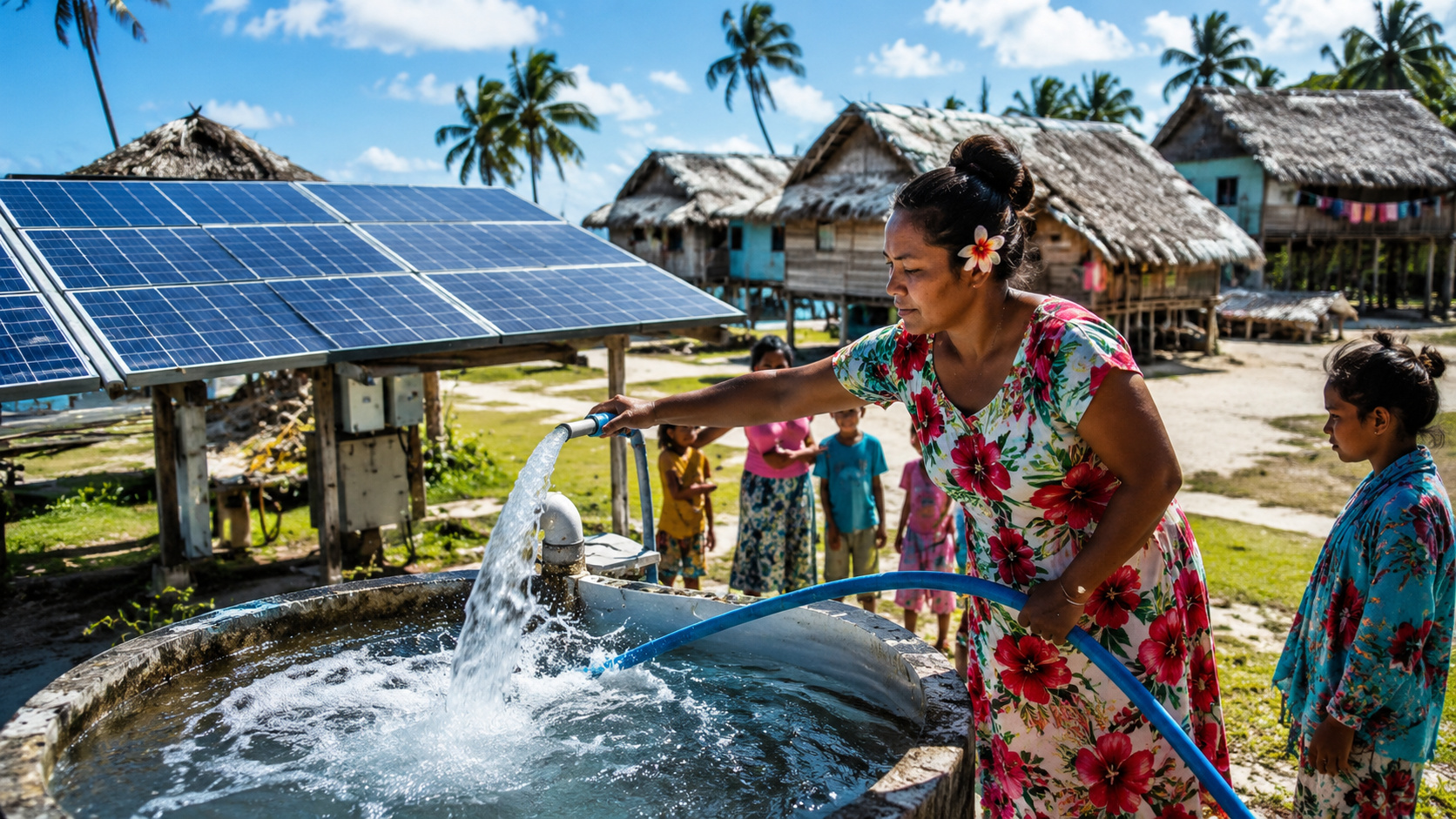

Project in Aranuka shows how solar energy on a remote island can bring clean water and electricity to schools, community halls, and wells, with local operation in a Pacific region where the extensive power grid does not reach
More than 1,000 residents of a remote island in Kiribati now have access to clean water and electricity through solar systems operated by the community itself. The change occurred in Aranuka, a remote Pacific island.
The report was published by AIFFP, an Australian infrastructure initiative in the Pacific. On March 23, 2026, residents celebrated the completion of a solar electricity and clean water project aimed at island communities.
The practical impact is on access to basic services. Where the extensive power grid does not reach, solar systems with batteries and sun-powered pumps help schools, community halls, and freshwater points.
-
Ceará brings together 7 giants and R$ 66 billion to transform Pecém into the largest green hydrogen hub in Brazil, with final decisions expected by the end of 2026.

-
Scientists Convert Factory Waste Heat into Hydrogen Using Perovskite Catalyst at Significantly Lower Temperatures

-
Airbus and MTU Launch Joint Venture to Advance Hydrogen-Powered Electric Aircraft Engines, Paving the Way for a New Era of Low-Emission Commercial Aviation
-
In a Place Many Doubt Solar Power Works, 360 Panels Operate in the Arctic, Harnessing Reflected Snowlight to Reduce Diesel Use at an Isolated Station


Solar energy on a remote island became the center of Aranuka’s infrastructure
Aranuka is located in Kiribati, a country made up of islands in the Pacific. The region faced limited access to electricity and drinking water, two services that weigh much more when the community lives far from major centers.
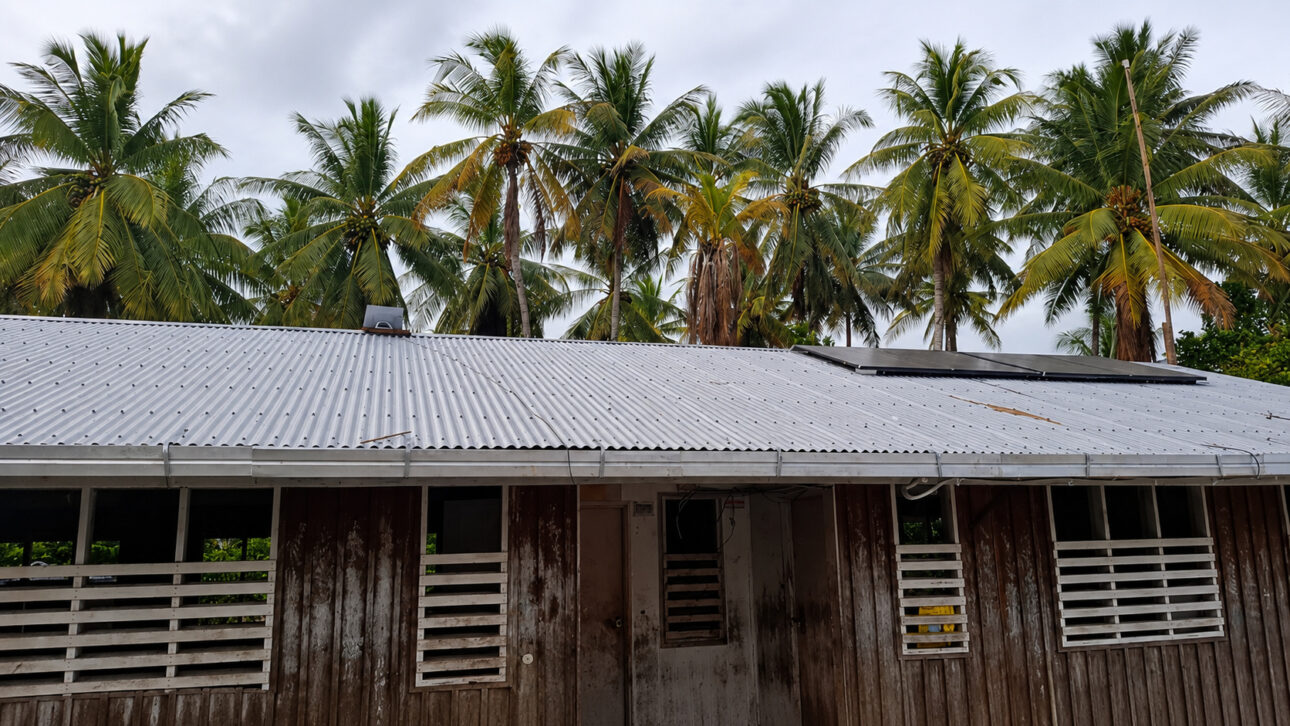
The project installed solar systems with batteries in the five communities on the island. In practice, the panels capture sunlight and the batteries store part of the energy for later use.
This structure now supplies three schools and five community halls. These locations are important because they concentrate study activities, meetings, and community services.
Solar pumps help bring clean water to residents who previously made daily trips
Clean water also became part of the project through solar pumps. This type of pump uses the energy generated by the panels to move water, without relying on a common electrical connection.
The structure includes the installation of six new community freshwater wells with solar pumps. This helps address a long-standing problem on the island, which had few freshwater resources available.
Before the new system, about two-thirds of families made more than two daily trips to fetch water. Additionally, about one-third of families did not always have access to safe water.
Women took over the operation of solar systems and community infrastructure
Local operation is a central part of the project. 20 women hold leadership roles in five community infrastructure management committees, created to monitor the use and maintenance of the systems.
AIFFP, an Australian infrastructure initiative in the Pacific, detailed that the participants received training in equipment maintenance, financial literacy, good management, gender equality, and community leadership.
Community management matters because the technology needs to keep functioning after installation. In isolated locations, always relying on external teams can make any repair slower and more expensive.
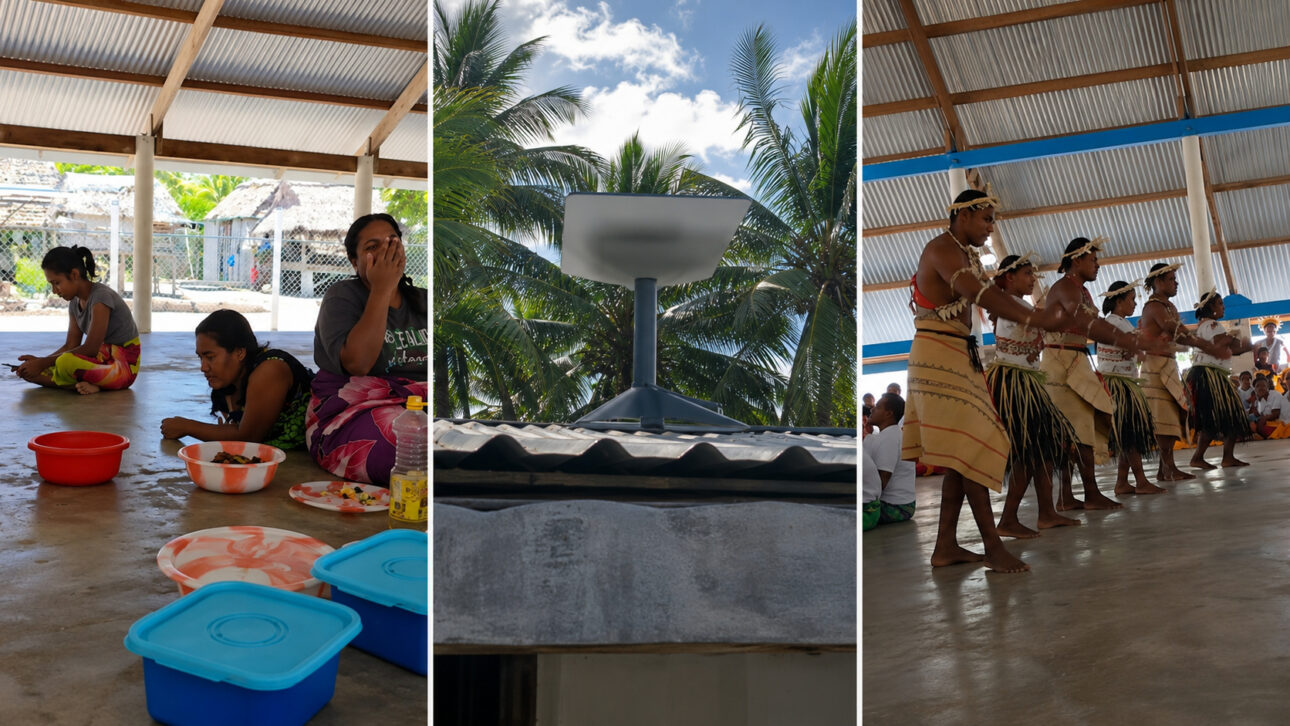
Project combines solar energy, potable water, and local maintenance in a single model
The system is not just about placing solar panels on an island. It combines electricity, clean water, and community organization into a solution aimed at daily use.
This combination is important because a school needs energy, a community hall needs to function as a meeting point, and a family needs safe water for basic routine. In Aranuka, all of this was incorporated into a single infrastructure logic.
Sunlight generates electricity, electricity helps move water pumps, and the community itself participates in the management of the equipment.
Investment is part of a program for communities off the electrical grid
The Aranuka project serves as a pilot for REnew Pacific, a US$ 75 million investment by Australia to bring renewable energy to off-grid communities in the Pacific and Timor Leste.
This initiative is supported by a climate initiative from the Australian government of US$ 350 million, delivered by the Australian Infrastructure Financing Facility for the Pacific. The goal is to finance infrastructure in vulnerable and remote regions.
The most important aspect for Aranuka, however, is the local effect. More than 1,000 people are now served by systems that combine solar energy and access to clean water.
The case of Kiribati shows why small structures can have a big impact in isolated areas
In remote communities, small infrastructure can have enormous value. A solar system, a battery, and a water pump can solve problems that, in connected regions, seem simple.
The case of Aranuka also helps to consider isolated regions of Brazil. When a community depends on long journeys, expensive fuel, or difficult maintenance, local energy and water solutions can reduce the pressure on daily life.
The difference lies in the scale. It is not about a large plant, but a structure designed to meet the direct needs of schools, community halls, wells, and residents.
The experience in Kiribati shows how solar energy on a remote island can support clean water, electricity, and local management without relying on a large electrical grid.
Do you think community solar systems could help isolated Brazilian communities rely less on diesel and expensive transportation? Share your opinion.


