






 Portuguese
  Spanish





While European Capitals Buried The Electric Wiring Decades Ago And Gained Safer And More Organized Cities, Brazil Continues With Overloaded Posts, Improvised Networks And Frequent Blackouts.
The electric wiring that dominates the Brazilian urban landscape is not just an aesthetic issue. It reveals a structural delay in the way the country organizes its energy, telecommunications, and internet infrastructure. In European cities like Paris, Madrid, and London, the process of burying cables began decades ago and transformed public space, making the service more reliable and the streets cleaner.
In Brazil, the opposite happened. The posts that were born for energy began to receive telephone, cable TV, internet, and even clandestine connections, creating the tangle of wires that we see today in large cities. And even knowing that underground electric wiring is safer and less vulnerable to storms, the country has not been able to progress due to high costs, bureaucracy, and lack of long-term planning.
Unavoidable Comparison Between Europe And Brazil

In cities like Paris and Madrid, the sky is clear because the electric wiring was buried. There, this movement began in the early 20th century and was expanded over the decades.
-
Volcanic Soils from Destructive Eruptions Turn into Million-Dollar Crops: Ashes Nourish Grapes in Lanzarote, Bananas in the Canary Islands, Blood Oranges on Mount Etna, and Cacti in Mexico, Showcasing How Lava-Formed Lands Sustain Rare Harvests in Seemingly Barren Regions

-
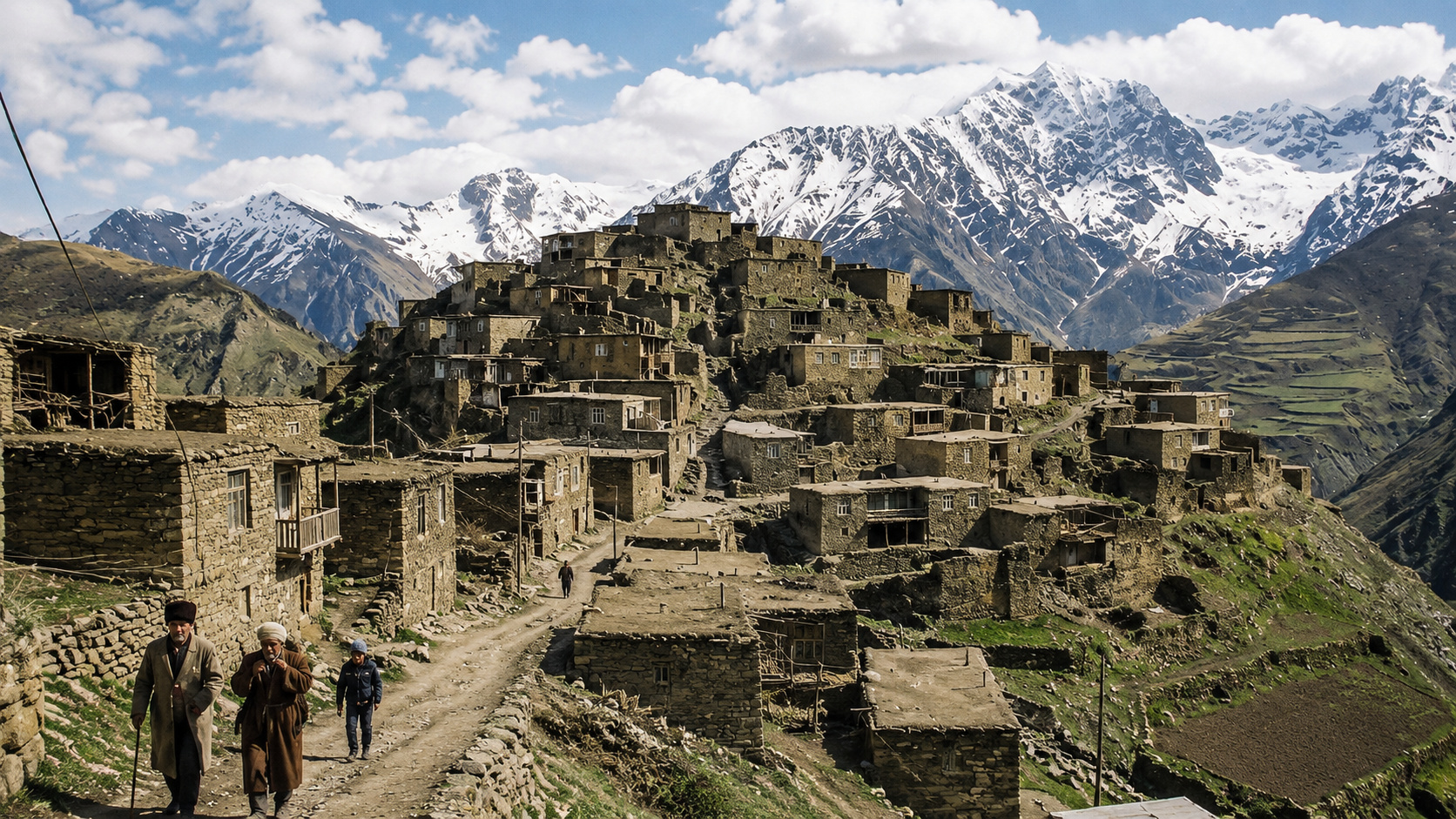
In the Caucasus Mountains, a Community Preserves a Language So Rare Few Outsiders Can Understand It

-
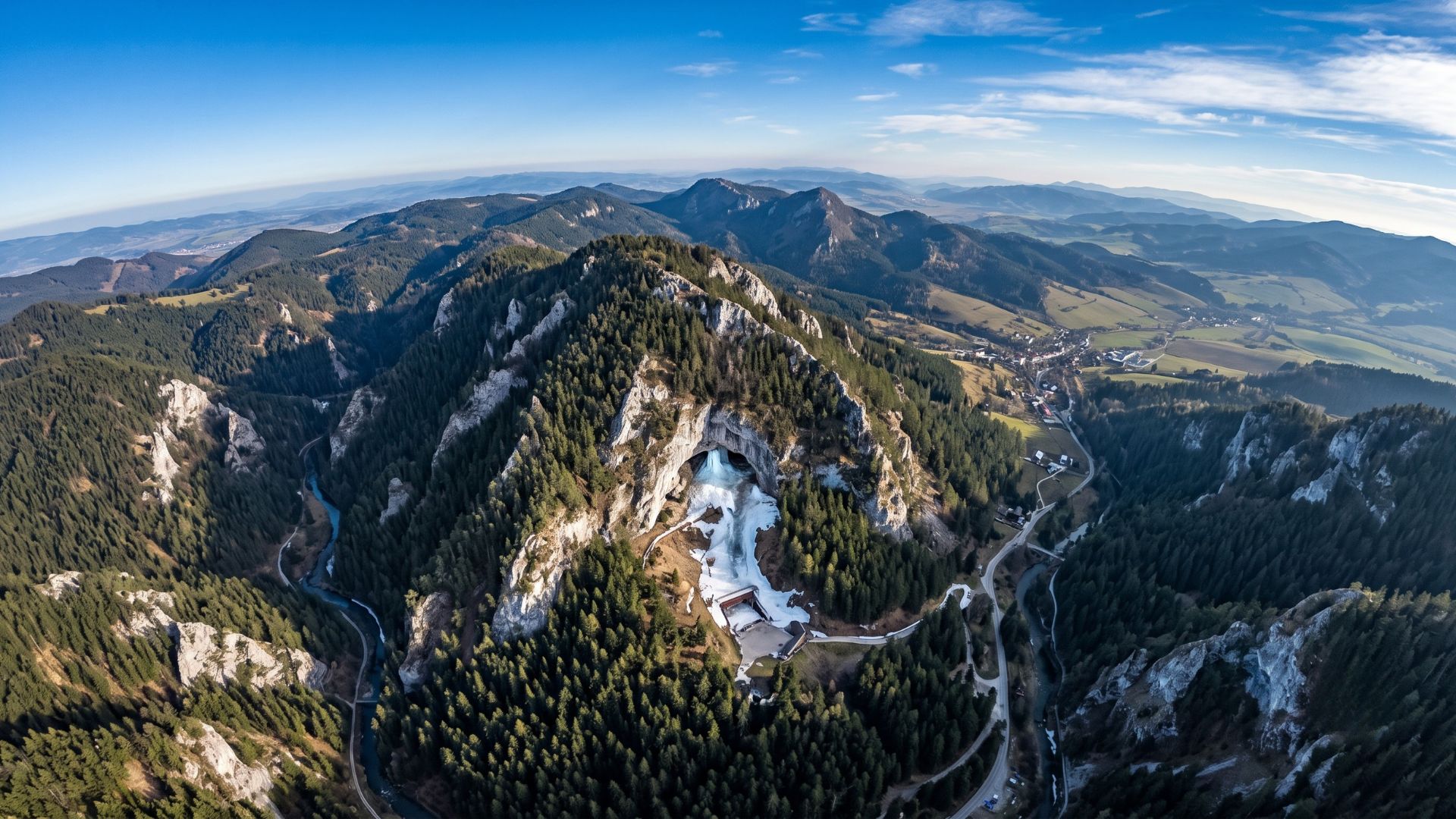
Slovakia’s Ice Cave Holds Over 110,000 m³ of Frozen Wonders, Boasts Walls Up to 27 Meters Thick, and Was Among the First Electrified Caves Globally

-
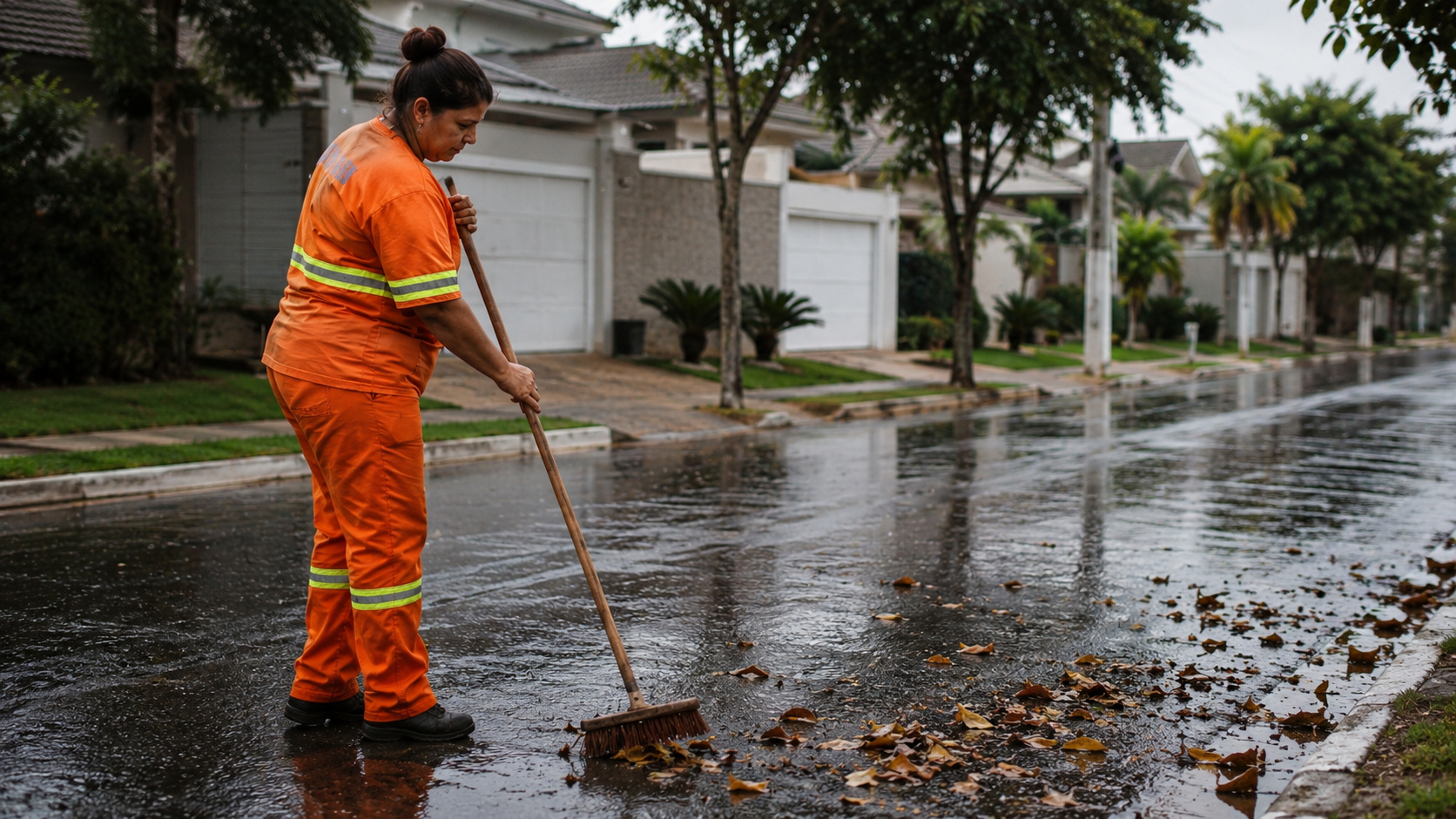
Street Cleaner Accidentally Receives $200,000 Transfer, Returns Unexpected Fortune to Rightful Owner

Burying cables became state policy, not a project of a mayor. New York also did this after a snowstorm in 1888 and today has about 86 percent of its network underground.

In Brazil, the scene is the opposite. Less than 1 percent of the electric grid is underground and the posts have become supports for everything. Each new internet company installs its cable and does not always remove the old one. In many places, there are still irregular connections.
That’s why a peripheral street in São Paulo looks much more visually polluted than a peripheral street in Madrid, even though both serve similar populations.
Why Brazil Does Not Bury The Electric Wiring

The first obstacle is the price. A kilometer of overhead network costs around 100,000 reais while the same section buried can reach 840,000 reais and in some cases exceed 1 million and 700 thousand.

The underground cable needs ducts, insulation, junction boxes, and encapsulated equipment to withstand humidity, heat, and soil pressure. In posts, air is part of the job. Under the ground, everything needs to be built.
The second obstacle is the incentive. Energy distributors do not make more money by burying wires, and governments do not gain votes with projects that remain invisible. Mayors prefer squares, overpasses, and bridges. Utility companies prefer network expansion. The result is that underground electric wiring is always put off.
Bureaucracy And Competence Dispute
São Paulo tried to solve this in 2005 with a law that required companies to bury 250 kilometers of cables per year without passing the cost onto consumers. If it had worked, the capital would today have more than 2,000 kilometers buried.
However, the companies’ union went to court and won by arguing that the city cannot interfere in concessions regulated by the Union. In 2015, the federal court confirmed this understanding.

After that, other cities that tried to create similar laws were also blocked. An impasse was formed.
With divided responsibilities, no one can impose a continuous plan for burial.
Complexity Of Underground Works In Brazilian Soil
Even when the work begins, the progress is slow. The utility company buried only 4.2 kilometers in Vila Olímpia with an investment of 21 million reais, which is about 5 million per kilometer. The excavations had to be done at night to avoid blocking traffic, and São Paulo’s underground is disorganized, full of ducts without a map and unforeseen interferences.
The SP Sem Fios program buried a little more than 6 kilometers per year. At this rate, it would take thousands of years to bury the entire overhead network of the city.
This shows that it is not enough to have money. It is necessary to have planning, a map of the underground, a prepared national industry, and continuity among governments. Today, Brazil does not have all four of these things at the same time.
Keeping Electric Wiring Above Has Human And Economic Costs
Exposed wires are more vulnerable to the weather. The storm that hit São Paulo in October 2024 with winds of 107 kilometers per hour left more than 2 million people without power and caused billion-dollar losses because trees fell on cables. In an underground network, the tree may fall, but the power does not go down with it.
Accidents also show the danger. Between 2009 and 2024, there were tens of thousands of occurrences involving electric and telecommunications wiring and more than 4,000 deaths. In other words, visual chaos is also safety chaos.
What Cities Gain By Burying Cables

When electric wiring goes underground, the city becomes cleaner, the network becomes more stable, and trees can grow without aggressive pruning. In the European Union, consumers are on average without power for just over 12 minutes per year, while in Brazil the average exceeds 10 hours.
This is the result of decades of continuous investment in maintenance and buried infrastructure.
Additionally, the urban environment improves. Streets without wires increase property values, attract tourism, and make public space more pleasant. Brazilians have become accustomed to looking up and seeing wires, but this is not inevitable. It is a choice of investment.
Brazil continues with exposed electric wiring because the cost of burying is very high, because bureaucracy prevents municipalities from mandating it, because the underground is disorganized, because companies have no economic incentive, and because politics prefers visible works.
In the meantime, we remain vulnerable to blackouts, overloaded posts, and accidents that could be avoided if the country adopted the standard of Paris, Madrid, and London.


In your opinion, should the priority now be to bury the electric wiring in Brazilian cities despite the high cost or to accept the visible wires and invest this money in other areas?





Kkkkk desculpa a minha ignorância mas nunca que eu sabia disso! Que tinha paiz com a fiação subterrânea! Kkkk que lindo!
Enterrar a fiação elétrica transforma o espaço urbano: ruas ficam mais limpas e seguras, sem postes e cabos aparentes. A rede ganha estabilidade, reduzindo apagões e interrupções prolongadas. Árvores podem crescer livremente, sem podas agressivas que comprometem sua beleza e saúde
Enterrar a fiação, nem é pelo custo, seria o de menos, mas sim pela segurança. Agora… Essa **** de políticos estão preocupados com isso??? Bahhhhhh