






 Portuguese
  Spanish


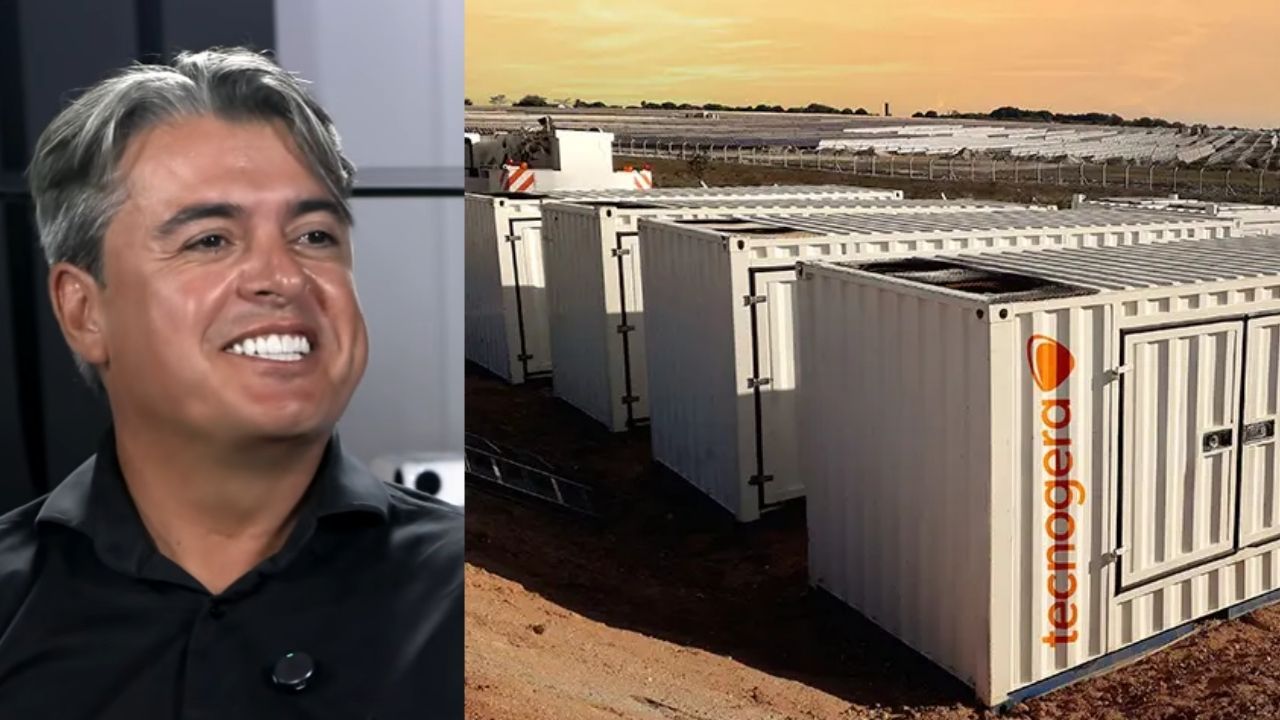

Tecnogera was born from the purchase of 15 used generators and evolved into energy security solutions. According to InfoMoney, Abraham Curi transformed resale into rental, built a fleet with more than 2,000 pieces of equipment, and reached R$ 750 million in revenue in 2025, with electrification gaining weight in the national business.
The generators that gave rise to Tecnogera appeared in a negotiation outside Abraham Curi’s initial plan. He had gone to a logistics center in search of used orange juice machines but found 15 power generator groups under a tarp and identified a market opportunity there.
The case was reported on the podcast From Zero to Top, by InfoMoney, in March 2026. From the purchase and resale of used equipment, Tecnogera evolved into rental, energy security, solutions for critical sectors, and a new front of fleet electrification.
Purchase of generators opened the entry into the energy sector
Before Tecnogera established itself as an energy company, Abraham Curi worked with buying, refurbishing, and reselling used equipment, especially orange juice machines. According to the report to InfoMoney, he was looking for this type of machine in a logistics center when he received the offer of 15 used generators.
-
16-Year-Old Girl Wins Top Google Science Fair Prize for Creating Water-Retaining Soil Material from Discarded Orange and Avocado Peels

-
Couple Without Construction Training Builds 70m² Curved Home by Hand in Montana for Under $20,000, Now Teaches Others to Do the Same
-
Brazilian Boat Manufacturer Expands Factory to 20,000 m², Adds Test Pools and Heavy-Duty Cranes, Aims to Increase Production from 600 to 1,000 Vessels Annually
-
19-Year-Old Turns School Friends into Franchisees, Builds Cleaning Business with 40 Units and 1,500 Workers, Aiming for $10 Million Revenue


Each piece of equipment was offered for R$ 5,000, totaling R$ 75,000. The machine he originally intended to buy cost about R$ 2,000, which shows how the negotiation changed the scale of the business decision at that moment.
Before closing the purchase, Curi noted technical data of the equipment and sought to validate if there were buyers willing to pay more for those generators.
According to the report, the research indicated the possibility of resale for R$ 15,000 each unit. From there, the purchase paved the way for two movements: selling part of the equipment and using the rest as a basis to learn the energy market.
Resale showed the scale limit of the initial model
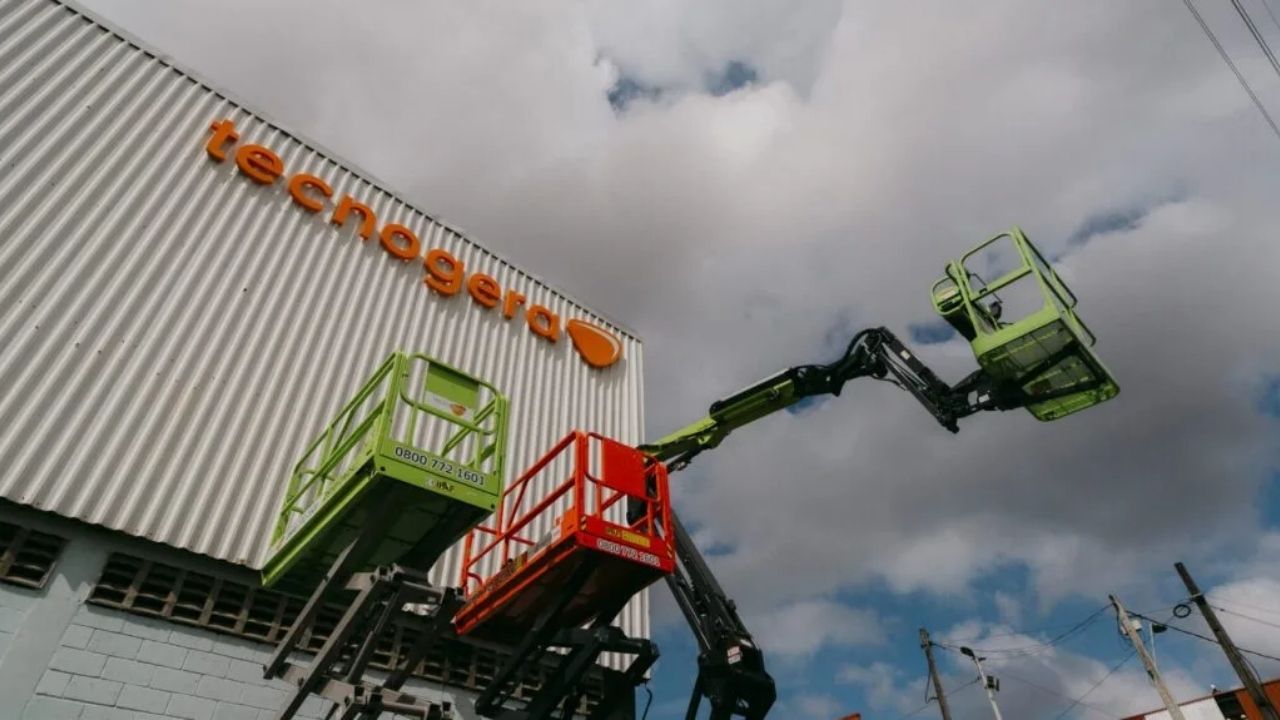
In the following years, Curi began buying and selling generator sets in different regions of Brazil. The market had availability of used equipment, partly due to the purchase of generators after the energy crisis in the early 2000s.
This model was profitable, but it had a clear limitation: it depended on the supply of used machines, occasional negotiation, and the ability to find available equipment in the market. In other words, there was margin, but not enough predictability for larger scale.
It was in this reading of scalability that Tecnogera began to change course. The company stopped focusing only on buying and selling machines and started to structure a rental operation.
The change was strategic because it shifted the focus from equipment to service. Instead of selling a generator and ending the commercial relationship, the company began to offer energy availability as a continuous solution for business clients.
Tecnogera was born as a provider of energy security
Tecnogera was founded in São Bernardo do Campo, in the ABC Paulista, and began to operate as a provider of energy security. According to the transcript, the turning point occurred in 2008, when the company left the buying and selling of used equipment to focus on rental and complete solutions.
The business logic was to go beyond delivering a machine. Instead of competing only for generator rental, the company began to sell the client the security of not being without power in critical operations.
This difference in positioning helped Tecnogera to distance itself from the view of a simple rental company. The service began to include equipment, accessories, cables, support, and planning to reduce the risk of operational downtime.
The focus on energy security opened space in sectors such as industry, mining, oil and gas, and other strategic areas, where power interruptions can generate losses, delays, and operational risk.
Fleet went from used equipment to more than 2,000 generators
With headquarters in the ABC Paulista and national presence, Tecnogera built a fleet with more than 2,000 generators, according to InfoMoney. The company develops solutions to prevent downtime, reduce operational losses, and ensure power for strategic sectors of the Brazilian economy.
The growth of the fleet shows the change in scale. What started with 15 used pieces of equipment evolved into a national structure of rental, service, and technical support.
In capital-intensive businesses, a fleet is not just inventory: it is operational capacity. Each piece of equipment needs to be purchased, maintained, relocated, installed, monitored, and integrated into the service contract.
Therefore, the expansion of Tecnogera required capital, governance, and management capacity. The company transitioned from an initial resale operation to a model that depends on assets, logistics, maintenance, and relationships with large clients.
Efficiency became a competitive advantage in the first cycle
In the first growth cycle, Tecnogera focused on operational efficiency and consumption reduction. Abraham Curi reported that the company worked with vehicle engine manufacturers and generator assemblers to develop more efficient machines.
According to him, the solution aimed to reduce specific diesel consumption compared to models used in the market. The proposal combined rental, service, and lower total cost for the client, considering equipment and fuel.
The competitive advantage was not just in the rental price, but in the total cost of the energy delivered. For industrial clients, fuel consumption directly impacts the final bill.
This approach helped the company gain market share between 2008 and 2014. During this period, Tecnogera consolidated its offer of energy security and advanced in more structured projects, especially in the industrial environment.
Investor entry helped expand governance
In 2015, Tecnogera received investment from Pátria Investimentos. According to Curi’s account, the entry of the financial partner occurred at a time when the company was already generating around R$ 90 million in revenue and needed capital to continue growing.
The partnership also brought gains in governance, professionalization, and corporate development. The company had been preparing for years, with auditing, tax organization, risk control, and an advisory board.
For a capital-intensive energy company, growing without adequate financial structure can limit operations. The capital entry helped expand the capacity for expansion and management maturity.
The partnership with the fund lasted from 2015 to 2020. After this period, Curi repurchased the partner’s stake and initiated a new strategic phase, linked to energy transition and fleet electrification.
New cycle bet on fleet electrification


Starting in 2021, Tecnogera began a second growth cycle. The company started investing in electrical equipment, especially aerial platforms, leveraging its previous experience with energy infrastructure and corporate clients.
The logic was clear: if the client’s concern with electrification is where to charge and how to ensure power, Tecnogera already had expertise in energy security. This created a bridge between the traditional generator business and the new front of electrical equipment.
The electrification of fleets did not immediately replace generators, but began to share space in the portfolio. According to the report, the energy security business still represents 60% of revenue, while 100% electric equipment already accounts for 40%.
The company purchased 3,000 aerial platforms in an initial acquisition cycle and saw occupancy grow in the following years. According to Curi, Tecnogera became the largest company in Latin America in this 100% electric equipment.
Revenue reached R$ 750 million in 2025
According to the episode transcript, Tecnogera reached 2025 with revenue of R$ 750 million, 20 branches, and 750 employees. The company also positions itself as a leader in energy security and sees growth potential in the electrification front.
This result shows the transformation of the model over two decades. The company moved from reselling used generators, went through leasing, consolidated energy security, and entered electrical equipment for corporate fleets.
Tecnogera’s trajectory is mainly a case of business repositioning. The initial asset was generators; the differential became service, efficiency, reach, capital, and adaptation to the energy transition.
The company has also accessed the capital market through debentures and is evaluating new growth alternatives, including debt, equity, acquisitions, mergers, and potential public offering, as the market develops.
What Tecnogera shows about the energy market
The case of Tecnogera shows that the energy market goes beyond traditional generation. Companies that depend on continuous operation need security in supply, redundancy, well-sized equipment, and quick response capability.
Generators remain relevant in energy security situations, but electrification creates new fronts. Electric aerial platforms, lithium batteries, and diesel-free equipment enter the portfolio of companies that want to reduce emissions and improve efficiency.
The turning point is in combining energy security with energy transition. Tecnogera aims to occupy precisely this space: ensuring operation for critical clients while expanding electrical solutions.
Do you think energy companies should accelerate fleet electrification, or will generators still be indispensable for many years in strategic sectors? Leave your opinion in the comments and tell us which model seems more important for Brazil: immediate security or a cleaner transition.


