Portuguese
  Spanish


Parking Lots Are Liable for Theft or Stolen Vehicles: Courts Confirm Full Compensation and Values Have Already Exceeded R$ 30 Thousand in Decisions.
Leaving the car in a paid parking lot is, for millions of Brazilians, synonymous with security. The logic is simple: if the consumer pays for the service, the establishment must guarantee the integrity of the vehicle. But when theft or robbery occurs within the parking lot, the judicial discussion is already established: the company is responsible for full compensation.
This understanding was settled by the Superior Court of Justice (STJ) in Summary 130, which establishes:
“The company is liable, before the customer, for the repair of damage or theft of a vehicle that occurred in its parking lot.”
ARTICLE CONTINUES BELOWSee also
Seniors Over 60 Can Travel for Free Across Brazil: Elderly Statute Ensures Two Free Bus Seats and 50% Discount When Full for Low-Income Passengers

Detran RJ starts requiring a toxicological test for those obtaining their first driver’s license in the car and motorcycle category starting June 29; see who will be affected.

Florida takes TikTok to court and accuses the Chinese giant ByteDance of ignoring the law that bars minors under 14, while parents and authorities demand more protection for children on social networks.
Chamber approves constitutional amendment reducing the age of criminal responsibility from 18 to 16 years; what now?




This applies both to paid parking lots and to free parking lots offered as courtesy by shopping malls, supermarkets, and restaurants.
When Responsibility Is Recognized
The Judiciary considers that the parking lot assumes the so-called duty of care. Upon receiving the vehicle, the provider must ensure its integrity. This obligation arises from Article 14 of the Consumer Protection Code (CDC), which provides for objective liability for failure in service provision.
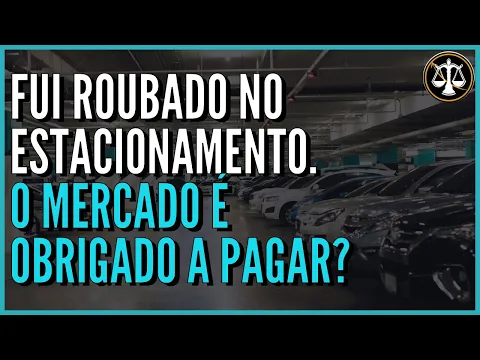

The courts recognize liability in cases of:
- Theft or robbery of a vehicle within the parking lot;
- Damage caused by third parties (e.g., collisions within the lot);
- Theft of objects inside the vehicle, when it is proven that access was facilitated by security failures;
- Absence of surveillance or control, revealing negligence on the part of the establishment.
In these cases, the company cannot claim that the crime was “the act of a third party.” The jurisprudence is clear: failure to supervise constitutes a failure in service.
Judicial Decisions That Established Significant Values
Brazilian courts have already issued relevant rulings in cases of theft in parking lots:
- The TJSP condemned a shopping mall to pay compensation exceeding R$ 30 thousand for the theft of a luxury vehicle in its parking lot, including the full value of the car and moral damages.
- The TJMG recognized the liability of a supermarket that offered free parking, setting compensation at R$ 20 thousand for vehicle theft.
- The STJ has already confirmed that liability is objective, meaning it does not depend on fault: it is enough to prove that the vehicle was in the parking lot and that the theft occurred.
These precedents consolidate the thesis that the risk of economic activity cannot be transferred to the consumer.
What Compensations Can Be Granted
The reparations recognized by Justice generally include:
- Material damages: value of the stolen or robbed vehicle, according to the FIPE table or invoices.
- Moral damages: compensation for emotional distress, inconvenience, and insecurity experienced by the consumer. The amounts range from R$ 5 thousand to R$ 15 thousand, in addition to material restitution.
- Loss of earnings: when the vehicle is a work tool (app drivers, taxi drivers, delivery people), the consumer can request compensation for lost income.
Thus, in more serious cases, compensation exceeds R$ 30 thousand, especially when it involves high-value vehicles combined with moral damages.
How the Consumer Should Act
To ensure the right to compensation, the consumer must:
- File a police report immediately after the theft or robbery;
- Request security camera footage and entrance/exit records from the parking lot;
- Keep the parking ticket or receipt;
- Gather witnesses, if available;
- File a lawsuit, requesting material compensation (value of the car) and moral damages.
Even parking lots that display signs such as “we are not responsible for items left inside the vehicle” can be held liable — this practice is considered a abusive clause by the CDC.
Safety Is Not a Favor, It’s an Obligation
The message from Justice is clear: the consumer cannot bear the loss when leaving their car in a parking lot and suffering theft or robbery. The responsibility lies with the provider, who must ensure minimum security for the service offered.
For the average citizen, the message is: do not accept liability waiver signs. If your car is stolen in a parking lot, it is possible to demand full compensation, with values that have already exceeded R$ 30 thousand in recent decisions.
More than protecting individual assets, these rulings reinforce the idea that trust in consumer relations is essential for society.