






 Portuguese
  Spanish


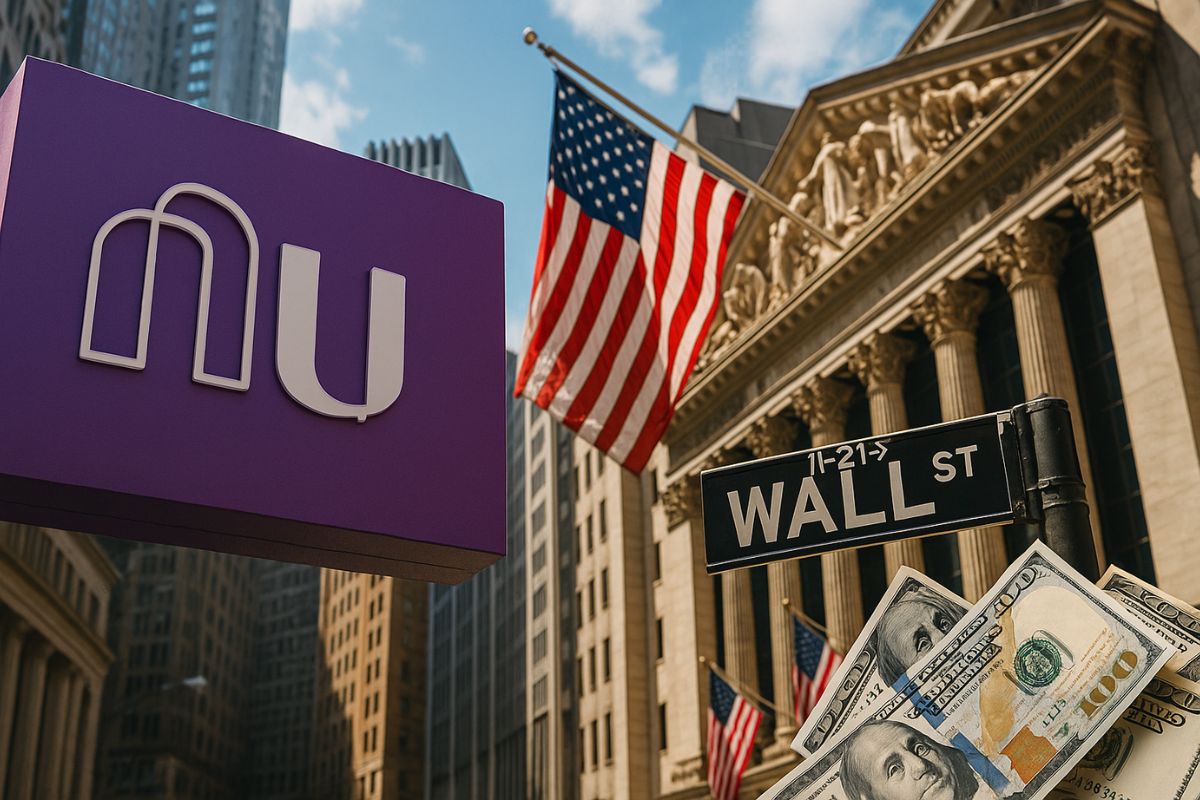


The Brazilian Fintech Filed a Request with the U.S. Regulator to Operate as a National Bank in the U.S., Offering Deposits, Credit, and Digital Assets. The Initiative Aims to Expand Global Presence and Puts the Company Face to Face with the Biggest Names in the Financial System, According to UOL.
Nubank announced that it has submitted an official request to become a national bank in the U.S., as highlighted by UOL. This move marks an unprecedented step for the Brazilian fintech towards the world’s most competitive financial market, opening up space to offer services such as deposit accounts, credit cards, loans, and custody of digital assets.
The request was submitted to the Office of the Comptroller of the Currency (OCC), the U.S. regulatory body. For founder and CEO David Vélez, the plan reinforces the ambition to transform the regional operation into a global platform. Cristina Junqueira, co-founder and now head of the U.S. unit, has already moved to the United States dedicated entirely to the project.
Why Nubank Wants to Become a National Bank in the U.S.
Founded in 2013 and headquartered in São Paulo, Nubank already has 123 million customers in Brazil, Mexico, and Colombia.
-
Corn ethanol attracts R$ 23 billion in 21 new plants and prepares for a nearly 50% jump in Brazilian production by 2027, even with high interest rates.

-
A newly opened terminal in the middle of the Amazon has begun transporting soy and corn through Amapá, eyeing the queue of ships that is congesting the ports in the South.
-
Tesla injected an additional $250 million into the German factory, doubled the battery cell target, and opened its own production line for startups.
-
A 180-meter ship with a deck the size of a football field was christened to carry 25,000 tons of giant energy modules around the world.


The recent acquisition of a license in Mexico paved the way for the attempt to expand into the U.S. market.
Being recognized as a national bank in the U.S. guarantees regulatory freedom and broader access to the country’s banking system, allowing it to compete on equal footing with traditional institutions.
According to UOL, the company sees the new status as an opportunity to diversify revenues, gain international credibility, and strengthen its brand with investors and customers outside of Latin America.
Entry into the U.S., if approved, will put the fintech face to face with secular banks and Wall Street giants.
What Changes for Customers and Investors
For consumers, the approval of the license could mean new financial products with Nubank’s digital and simplified DNA, but now under the umbrella of U.S. regulation.
Dollar accounts, international credit cards, and even transactions with digital assets are on the radar.
In the financial market, the impact is already apparent.
Nubank’s shares, listed in New York, briefly reached US$ 16.18 after the announcement, although they later dropped back to the US$ 15.80 range.
The request to become a national bank in the U.S. also serves as a signal of maturity for investors following the fintech’s evolution, reinforcing the narrative that the business model can be replicated globally.
The Role of Leadership in the Strategy
Cristina Junqueira, co-founder and growth executive of Nu Holdings, has assumed the role of CEO of the U.S. operation.
Her permanent move to the country symbolizes commitment to the project.
On the board, former Central Bank president Roberto Campos Neto reinforces the institutional weight of the initiative, bringing regulatory and financial experience.
This leadership composition, according to UOL, shows that the fintech is betting on relevant names to negotiate with authorities and reduce risks in the authorization process.
Obstacles and Expectations for the Future
Despite the enthusiasm, Nubank acknowledges that there are complex regulatory stages ahead. The OCC is stringent in analyzing requests, especially for foreign institutions seeking to operate in the U.S. banking system.
Issues such as compliance, minimum capital, and corporate governance will be evaluated before any green light is given.
Still, the company believes that its successful experience in Brazil and Mexico is an advantage.
If approved, Nubank will cease to be just a Latin American fintech and will establish itself as a global player in the financial sector.
The request to become a national bank in the U.S. marks Nubank’s boldest move since its founding.
For customers, it could open doors for innovative services in dollars. For investors, it represents the chance to solidify one of the most valuable fintechs in the world on American soil.
Do you believe that Nubank has the strength to compete with the Wall Street giants? Or do you think that entering as a bank in the U.S. could be too risky a step? Leave your opinion in the comments and join the debate about the future of the Brazilian fintech.




Love how you make everyone feel welcome and valued in this wonderful space
This is game changing
Clear, concise, and useful — exactly what I needed today.