






 Portuguese
  Spanish


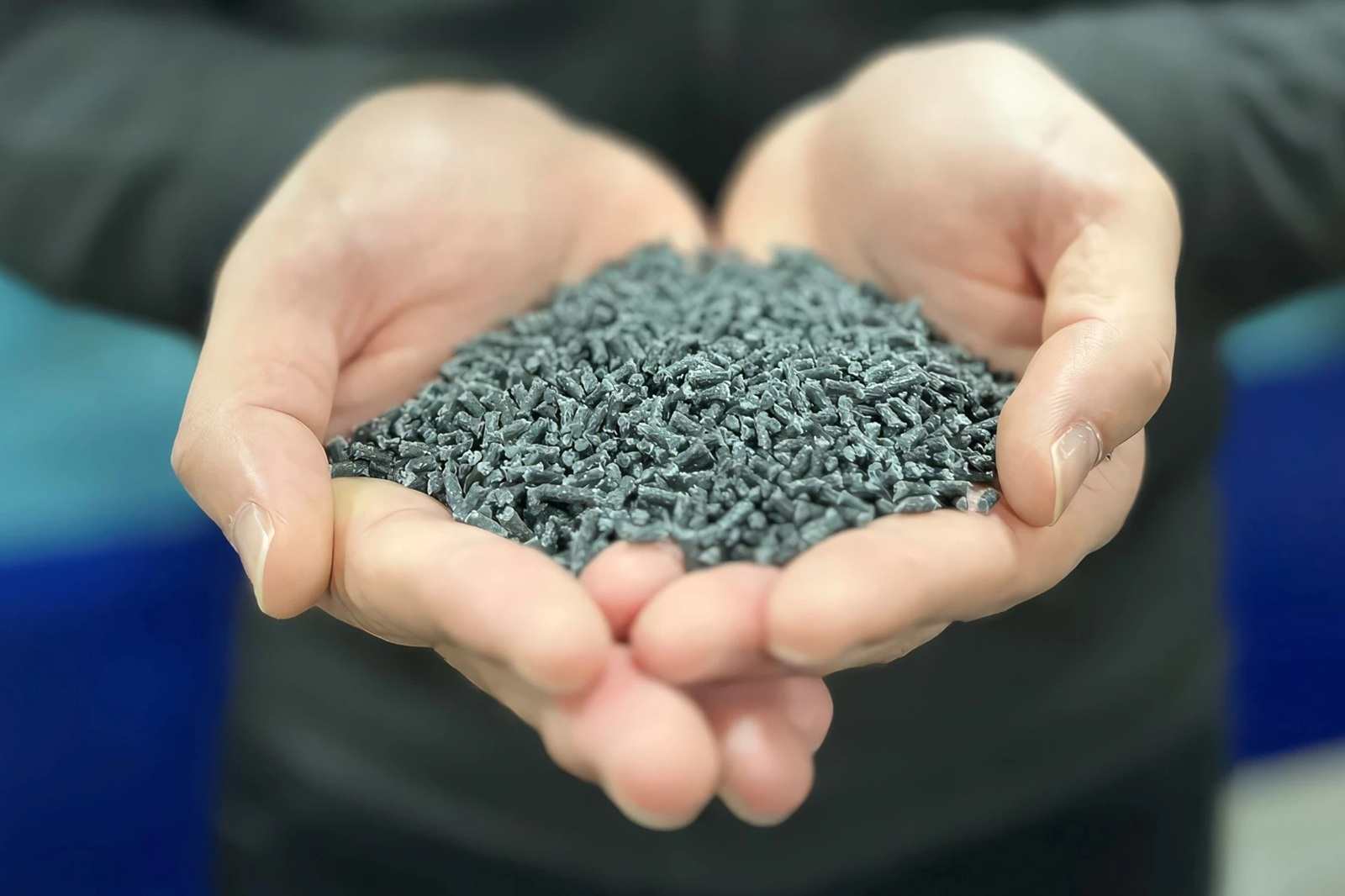


Material Created by Researcher at the University of Toronto Combines Graphene and Glass Fiber Reinforced Polypropylene, Increasing Strength and Reducing Weight of Automotive Parts, While a Second White Version Promises Broader Applications in the Industry
Glass fiber reinforced polypropylene is widely used in the manufacturing of automotive parts, but researchers have found ways to further enhance its performance. Enter Gratek, a material that promises to increase strength by 20% and reduce weight by 18%, thanks to the inclusion of graphene in its composition.
Graphene is made up of extremely thin sheets of carbon atoms arranged in a hexagonal pattern.
It is considered the strongest man-made material known, as well as being flexible, extensible, and stable. Additionally, it also boasts high electrical and thermal conductivity.
-
OnePlus N6 Smartphone to Launch in India with 8,000mAh Battery and 45W SuperVOOC Charging, Lasting Up to Three Days

-
Scientists Plan to Release Air Bubbles Underwater to Protect Antarctica’s “Doomsday Glacier” from Melting

-
Chinese R6000 Drone Combines Airplane and Helicopter Features, Carries Up to 12 People for Multiple Missions
-
In the World’s Most Densely Populated Desert, Families Dig Funnel-Shaped Underground Cisterns to Capture Rare Rainfall and Store Drinking Water for Up to Eight Months




How the Technology Was Created
Postdoctoral researcher Nello David Sansone, a member of the Multifunctional Composite Manufacturing Laboratory at the University of Toronto, investigated methods to add graphene nanoplatelets to glass fiber reinforced polypropylene glass.
The initiative took place while he was working at the auto parts manufacturer Axiom Group, in collaboration with the university.
Previous attempts to incorporate graphene into automotive parts faced challenges. The material tended to clump during processing, which concentrated mechanical stress in unsuitable points and led to the risk of failures.
The Solution Found
Sansone overcame the issue by developing a patented technique that allows the nanoplatelets to bond only to the glass fibers within the plastic matrix.
This behavior prevents clumping. As graphene strengthens the fibers, there is a reduced need for the amount of glass. Thus, Gratek outperforms regular polypropylene reinforced with glass fiber in strength and lightweightness.
The new composite contains less than 1% graphene. Furthermore, the reduced volume of glass decreases wear on the machines used for cutting and drilling, providing an additional advantage to the manufacturing process.
New Possibilities and Limitations
One point that limits Gratek is its color. Due to the graphene, the material can only be produced in black. To meet broader demands, Sansone created another material: Clatek. It utilizes clay-based halloysite nanotubes in place of graphene. The solution offers similar performance but features a white color and can be dyed or painted.
There is hope that Gratek will be adopted by a major automaker this year. Clatek is expected to hit the market within two years, expanding the range of options for vehicle manufacturers.
Outlook and Recognition
Sansone states that the advancements demonstrate great potential to make cars lighter, safer, and more sustainable.
He is also working on the commercialization of AegisX, formulated by his startup NanoMorphix, aimed at transparent and textile shielding for military, aerospace, defense, and personal protection sectors.
The researcher recently received an award from Mitacs, an organization funded by the Canadian government dedicated to promoting innovation.
Among those recognized in previous years are initiatives such as a towable converter that transforms agricultural waste into biofuel, a vision-based flight recorder, an augmented reality feedback system for athletes, and an amphibious robot powered by a screw.








This is exactly why I look forward to reading your posts every time 💯
Your approach feels genuine
Love how you consistently create spaces where people feel valued 🌈 😊 💪 and truly heard