






 Portuguese
  Spanish
  4 min of reading
  8 comments




With Production Ended at the End of 2024, the Toyota Yaris XLS Became a Desired Object in the Used Car Market, Valued for Its Reliability, Japanese Engine, Good Finish, and for Being the “Last of Its Kind”.
The used car market in Brazil gained a new protagonist. The Toyota Yaris, especially in its top-of-the-line XLS version, ended production in 2024 and quickly transformed into a “coveted orphan.” The reason is a rare combination: a Japanese engine known for its durability, a complete equipment package, and quality finishing.
With Toyota’s decision to focus on launching the Yaris Cross SUV, the Yaris hatch and sedan left a gap in the market for those seeking a traditional and reliable compact. This change made the last units of the Yaris highly sought after, with strong appreciation potential and increasing demand for a car that is no longer available new in dealerships.
Why Did Toyota End Production of the Yaris in Brazil in 2024?
The decision by Toyota to discontinue the Yaris was not due to a lack of qualities but rather a strategic change. The automaker chose to concentrate its resources and production capacity on the launch of the new Yaris Cross, a compact SUV that arrives to compete in the segment that is growing the most in Brazil and worldwide.
-
Brazilian City Revitalizes Nearly Extinct Ecosystem by Planting 11 Million Native Trees and Paying Residents to Restore Forests Over 40 Years

-
Victorian-era Glass Dumped into the North Sea Returns as Rare Multicolored Gems on Seaham Beach, Attracting Global Collectors.

-
Brazilian Researchers Develop Technology to Extract Drinking Water from Air Humidity Using Recycled Synthetic Fiber
-
Neymar’s Family Sells 300,000 Bottles of Wine Before Launch, Aims for $20 Million Revenue in First Year


The production of the Yaris Sedan was completed at the end of 2024, with the hatchback following the same path. The Toyota factory underwent adaptations to accommodate the new project. This transition, however, created an opportunity for the Yaris to become a modern classic, as its direct successor is a vehicle of another category (SUV), with higher prices and a different proposal.
The Reliable Japanese 1.5 Engine with 110 hp and Fuel Consumption of 14.7 km/l
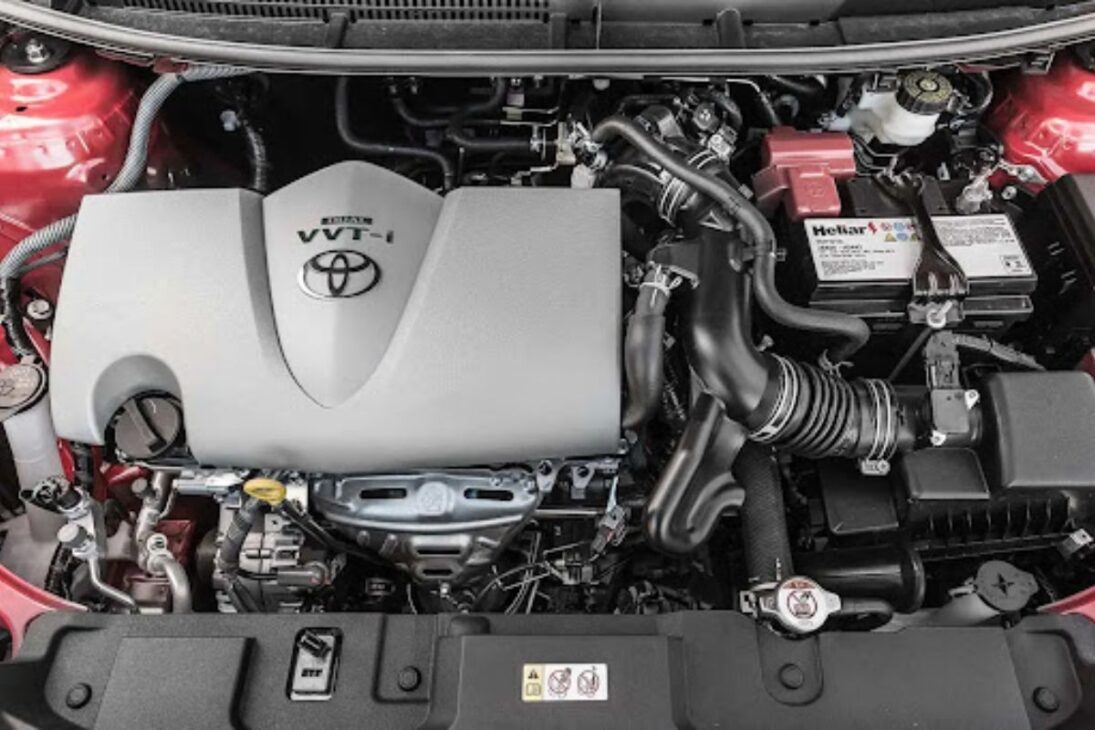
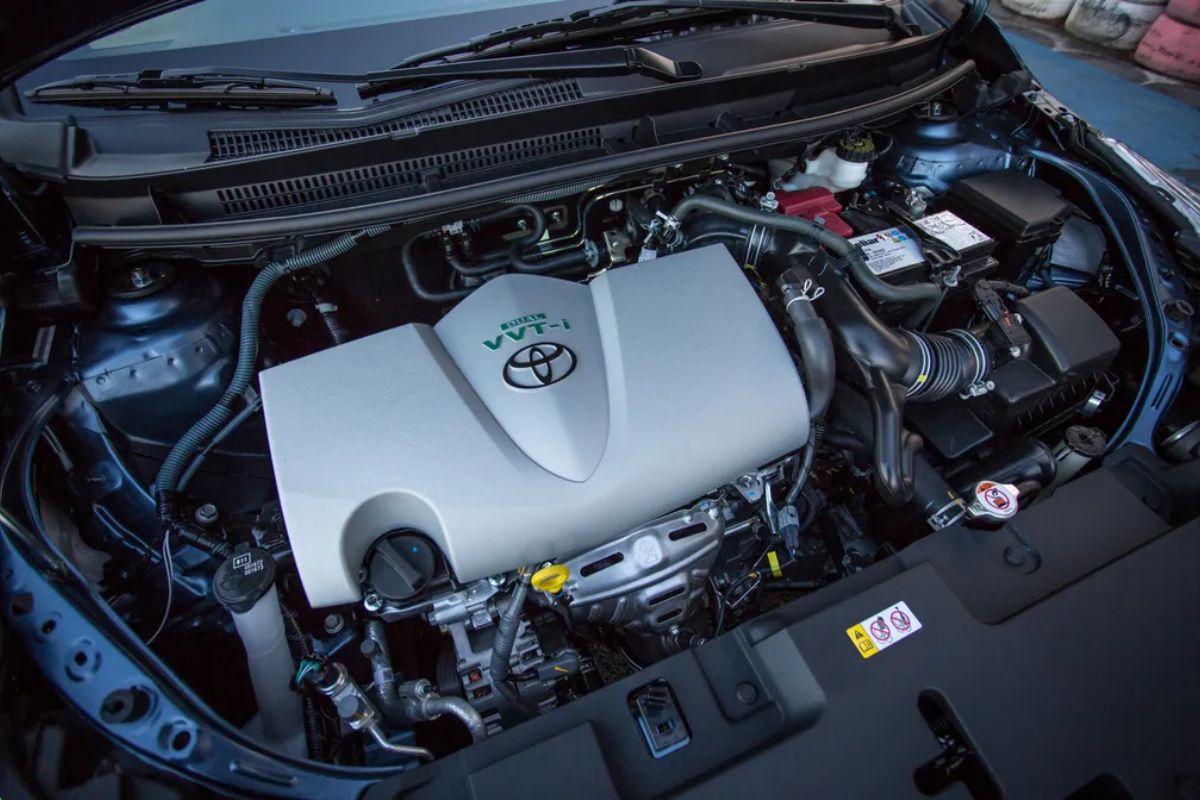
One of the greatest assets of the Yaris XLS is its mechanics. The car is equipped with the reliable 1.5L Dual VVT-i Flex Japanese engine, naturally aspirated.
This engine delivers 110 hp with ethanol and 105 hp with gasoline, numbers that ensure good performance for daily use, coupled with a CVT automatic transmission that simulates 7 speeds.
The reputation for durability of Toyota is reflected in this engine, which is praised by owners for its sturdiness and low maintenance costs.
In addition to reliability, efficiency is another highlight. According to official data, the Yaris achieves 14.7 km/l on the highway and 12.9 km/l in the city with gasoline, an excellent yield for the category.
The 7 Airbags, Sunroof, and the Finish of the XLS Version
The XLS version, the most complete in the line, justifies its reputation for good finishing and stands out with its equipment package. The Yaris XLS 2024 rolled off the factory floor with features that many cars in higher segments do not offer.
The big difference was the electric sunroof, a rare item in compacts. In terms of safety, the car was a reference, equipped with seven airbags (front, side, curtain, and knee for the driver), pre-collision system with emergency braking, and lane departure warning.
Comfort was guaranteed by digital air conditioning, keyless entry, cruise control, and leather seats.
How the Yaris XLS 2024 Maintained Its Value Above R$ 105,000
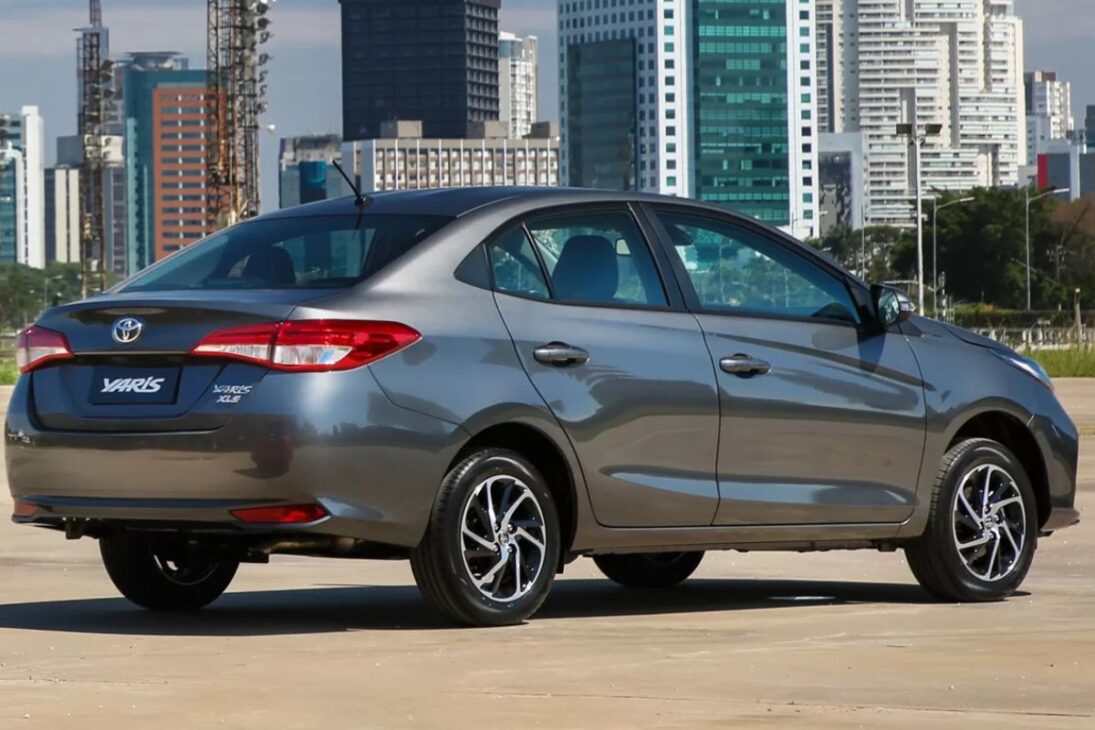
The status of “coveted orphan” has a direct reflection on the price. A car that is out of production but continues to be in high demand tends to depreciate very little, and the Yaris XLS is a clear example of this.
While a new Yaris Sedan XLS 2024 was sold for around R$ 125,590, finding a used model for less than R$ 105,000 in mid-2025 is already considered a good deal.
The FIPE table for the last units produced, already as the 2025 model, reached R$ 118,880 in June 2025. This strong value retention is supported by the reliability of the Japanese engine, the equipment package, and the reputation of the Toyota brand in the aftermarket.
Why Did the Yaris Become a “Coveted Orphan” After the Arrival of the Yaris Cross?
The Toyota Yaris XLS 2024 became a special car for representing the end of a cycle. It is the last version of a well-equipped, reliable, and economical traditional compact before the market’s shift towards SUVs and hybrid cars.
It is coveted because it fills a gap left by Toyota itself. Consumers who value a hatch or sedan with a naturally aspirated Japanese engine and a complete equipment package do not find a direct substitute in the new Yaris Cross. This exclusivity, combined with the already known quality of the product, is the formula that transformed the last Yaris into a future classic.


Tenho um yaris, me surpreendeu acho que saiu e linha porque não quebra, o carro é confortável e as manutenções periódicas não são caras.
Que reportagem tendeliciosa, o Yares saiu de linha, por que não tava vendendo bem, se estivesse vendendo bem, ele não sairia de linha. Simples assim
Quero comprar um yaires seminovo