






 Portuguese
  Spanish


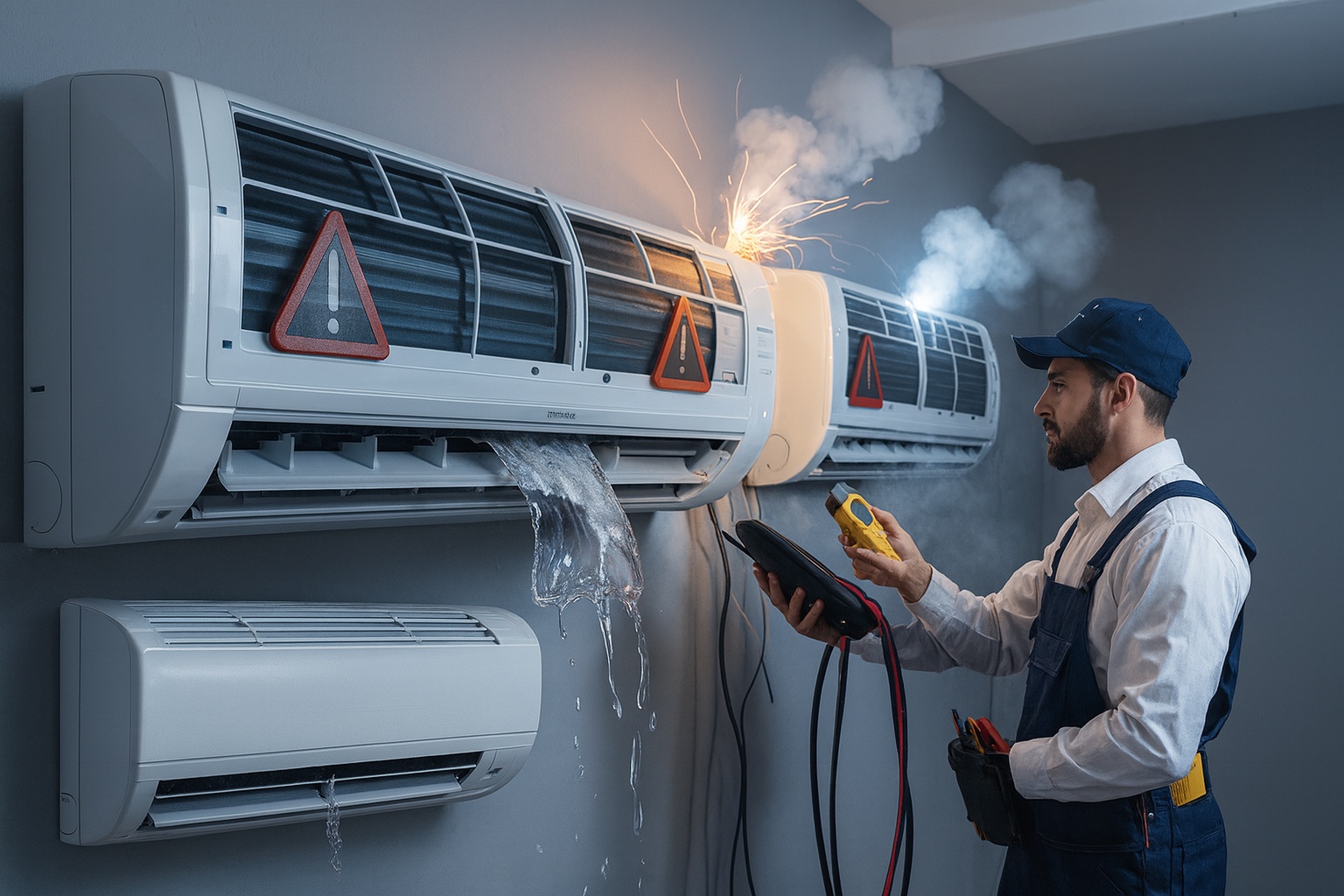
Five Air Conditioner Brands Top Reclamations in Brazil in 2025, According to Procon. Repairs Reach R$ 3.2 Thousand and Scare Consumers.
In tropical Brazil, air conditioning has ceased to be a luxury item and become an essential item in homes, offices, and businesses. In 2025, with more intense heat waves and record temperatures above 40 °C in various capitals, the sale of these units skyrocketed. However, alongside the high demand, the number of complaints registered with Procons and technical assistance networks also rose.
According to surveys released by consumer protection agencies, five brands lead the ranking of air conditioners with the most reported defects in 2025. Electrical issues, compressor failures, gas leaks, and performance drops are among the main reasons for complaints. The result? Repairs that can cost up to R$ 3.2 thousand per unit, in some cases exceeding the price of a new unit.
The Champions of Defects
Although reports vary by state, some names repeatedly appear on the complaint lists:
-
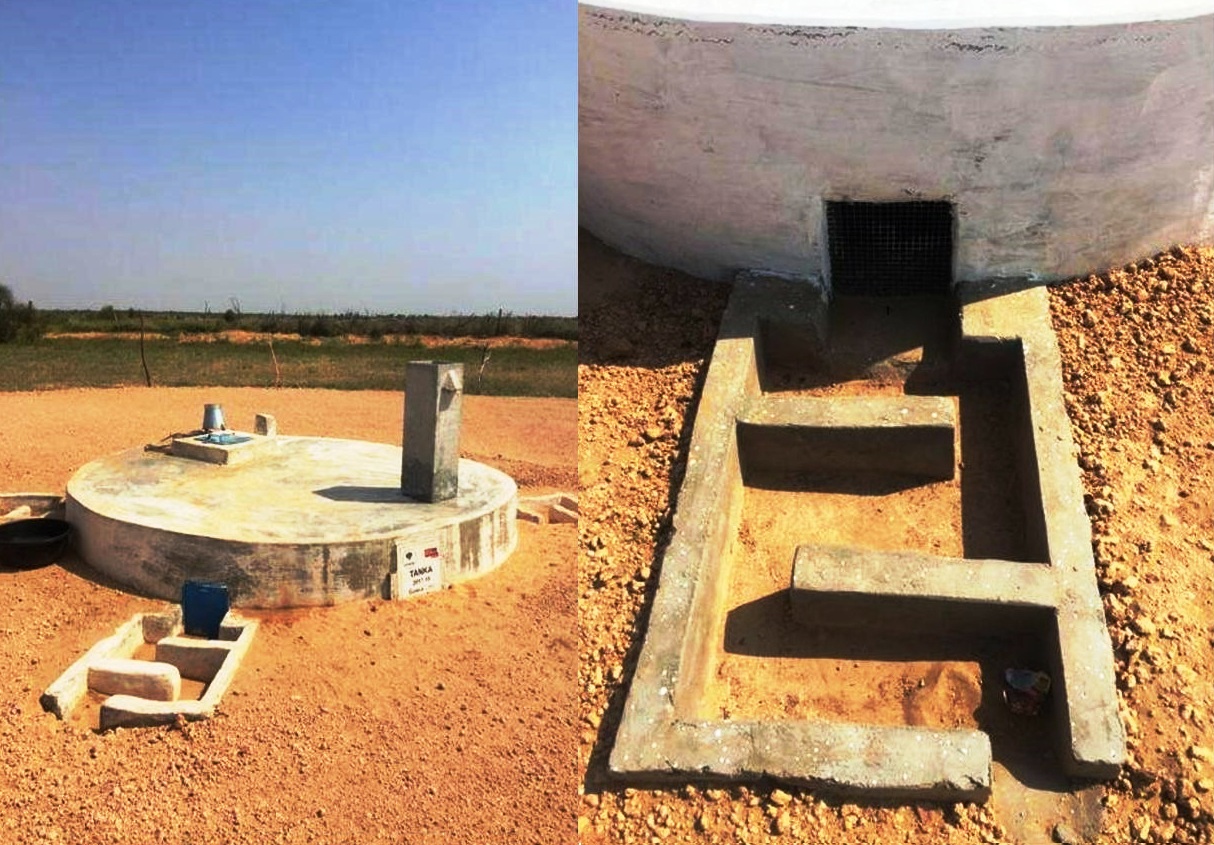
In the World’s Most Densely Populated Desert, Families Dig Funnel-Shaped Underground Cisterns to Capture Rare Rainfall and Store Drinking Water for Up to Eight Months

-
Smart Glass Revolutionizes Privacy: Touch-Activated Opacity Transforms Windows into Connected Home Features with App and Voice Control

-
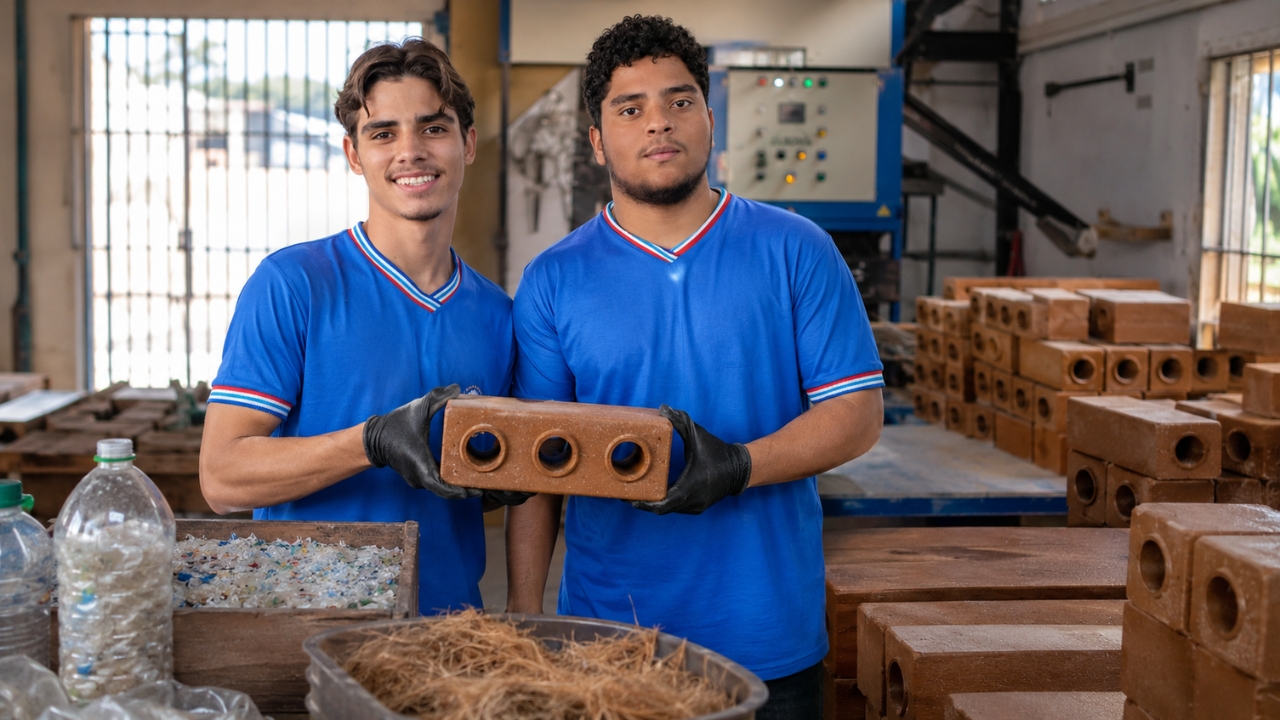
Young Innovators from Brazil Turn Discarded Plastic into Eco-Friendly Bricks Using Coconut Fiber, Offering a Sustainable Alternative for Construction
-
Brazilian Scientists Among Team Proposing to Turn Ocean Depths into Giant Gravity Battery Using Cargo Ships and Subsea Cranes



- Consul – Recurring complaints about compressor failure and above-expected consumption after a few months of use.
- Electrolux – Users report failures in the electronic board and high costs for replacement parts.
- LG – Complaints about premature loss of refrigerant gas and difficulty obtaining authorized assistance.
- Springer Midea – Reports of freezing in the inverter system and instability in cooling.
- Samsung – Complaints about excessive noise, automatic shutdown, and failure of the digital remote control.
These brands together accounted for thousands of complaints registered in the National Consumer Protection Information System (Sindec), a database used by Procons in 2025.
The Impact on Consumers’ Wallets
What is most striking is not just the frequency of defects, but the high cost to fix them. According to data from technical assistance networks, the main problems require expensive repairs:
- Compressor Replacement: between R$ 1.5 thousand and R$ 3.2 thousand, depending on the model.
- Electronic Board Replacement: ranges from R$ 800 to R$ 1.5 thousand.
- Refrigerant Gas Refill: averages R$ 400 to R$ 600 per service.
- Repair in Inverter System: from R$ 1.2 thousand to R$ 2.8 thousand.
In many cases, the repair cost approaches or even exceeds the price of a new unit, leading consumers to prefer complete replacement over maintenance.
Why Are Devices Breaking More Often?
Cooling experts point to several factors that explain the explosion of defects in 2025:
- Record Heat: prolonged and continuous use increases wear on parts.
- Inadequate Installation: many consumers hire untrained services, compromising system performance.
- Unstable Electricity: fluctuations and power spikes in various regions damage sensitive electronic boards.
- Cheaper Models: part of the market has been flooded with low-cost versions, which are less durable and lack a robust assistance network.
The Consequences for the Sector
The increase in complaints is already pressuring manufacturers. In 2025, the Procon of São Paulo notified several companies, demanding improvement plans in customer service and recalls of certain batches.
The Brazilian Association of Refrigeration, Air Conditioning, Ventilation, and Heating (ABRAVA) also warned that the increase in defects undermines consumer trust and may lead to billions in losses from warranty claims and lawsuits.
What the Brands Say
The manufacturers, for their part, claim that the defects represent only a fraction of the units sold.
Brands such as LG, Samsung, and Electrolux stated that they are investing in authorized technical assistance centers and are already offering warranty extensions on premium models to reduce customer dissatisfaction.
Still, consumers report difficulties in claiming the warranty, especially in smaller towns where the authorized network is limited.
How to Protect Yourself When Buying an Air Conditioner
In light of the increase in complaints, experts recommend some precautions for consumers to avoid headaches:
- Check the brand’s technical assistance network before purchasing.
- Opt for installation by certified professionals, avoiding performance issues and loss of warranty.
- Use stabilizers or surge protectors to protect electronic boards from power spikes.
- Conduct preventive maintenance every six months, including filter cleaning and refrigerant review.
- Keep invoices and warranty certificates for legal backing in case of defects.
The air conditioning sector in Brazil generates over R$ 15 billion annually and continues to expand, especially as climate change intensifies heat waves. However, the increase in complaints in 2025 is a warning sign: without proper quality and support, consumer trust may collapse.
If manufacturers do not act quickly to correct failures and expand support, 2026 could be remembered as the year when air conditioning, a symbol of comfort, became a headache for millions of Brazilians.





-

1 person reacted to this.