





 Portuguese
  English
  Spanish
  2 min of reading


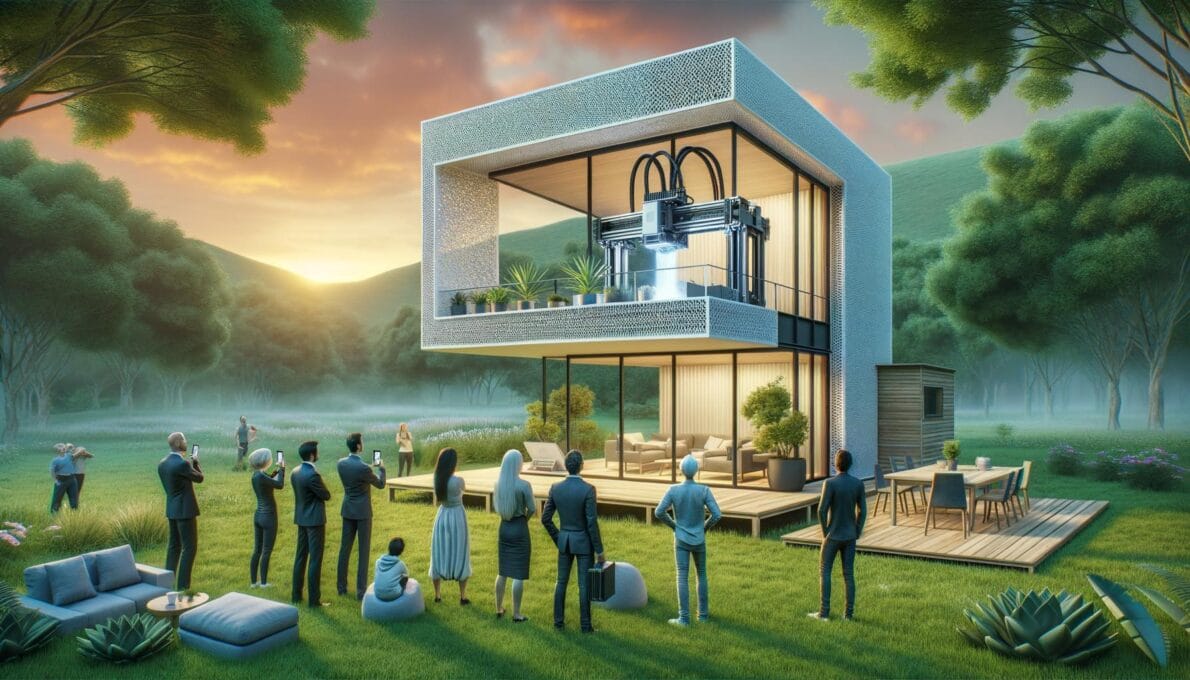
Imagine a house built without the traditional use of bricks, sand, and plaster. Sounds like science fiction, right? But this reality has arrived and is gaining traction in Nova Lima, in Greater BH, where a house was constructed using a 3D printer. This method promises to revolutionize the construction industry, offering more strength, durability, and cost-effectiveness. Let’s explore how this innovative 3D printed house works.
The Construction Process
The house, with its 52m², was built by a 3D printer that weighs almost three tons. The equipment, controlled by software and a robot, takes up considerable space and catches attention for the precision with which it executes the work, reducing waste to almost zero. The technique used involves micro-concrete, a raw material that ensures the quality and durability of the structure. The printing process of the house took four days, with another four days dedicated to assembly and finishing, totaling eight days for the completion of the project.
Legislation and Safety
Despite the innovation, the construction of a 3D printed house follows the same legal and safety requirements as any other construction. This includes the approval of the architectural project by the city hall, as well as foundation, plumbing, and electrical projects. The responsible professional for the project must also be a qualified individual, ensuring that the construction meets all the required safety and quality standards.
-
As if a giant sponge had failed at the planet’s southern extreme, the Southern Ocean is becoming saltier, losing ice at an alarming rate, and allowing deep heat to return to the surface, in a change capable of disrupting the circulation that regulates temperature, carbon, and storms across all Earth’s oceans.

-
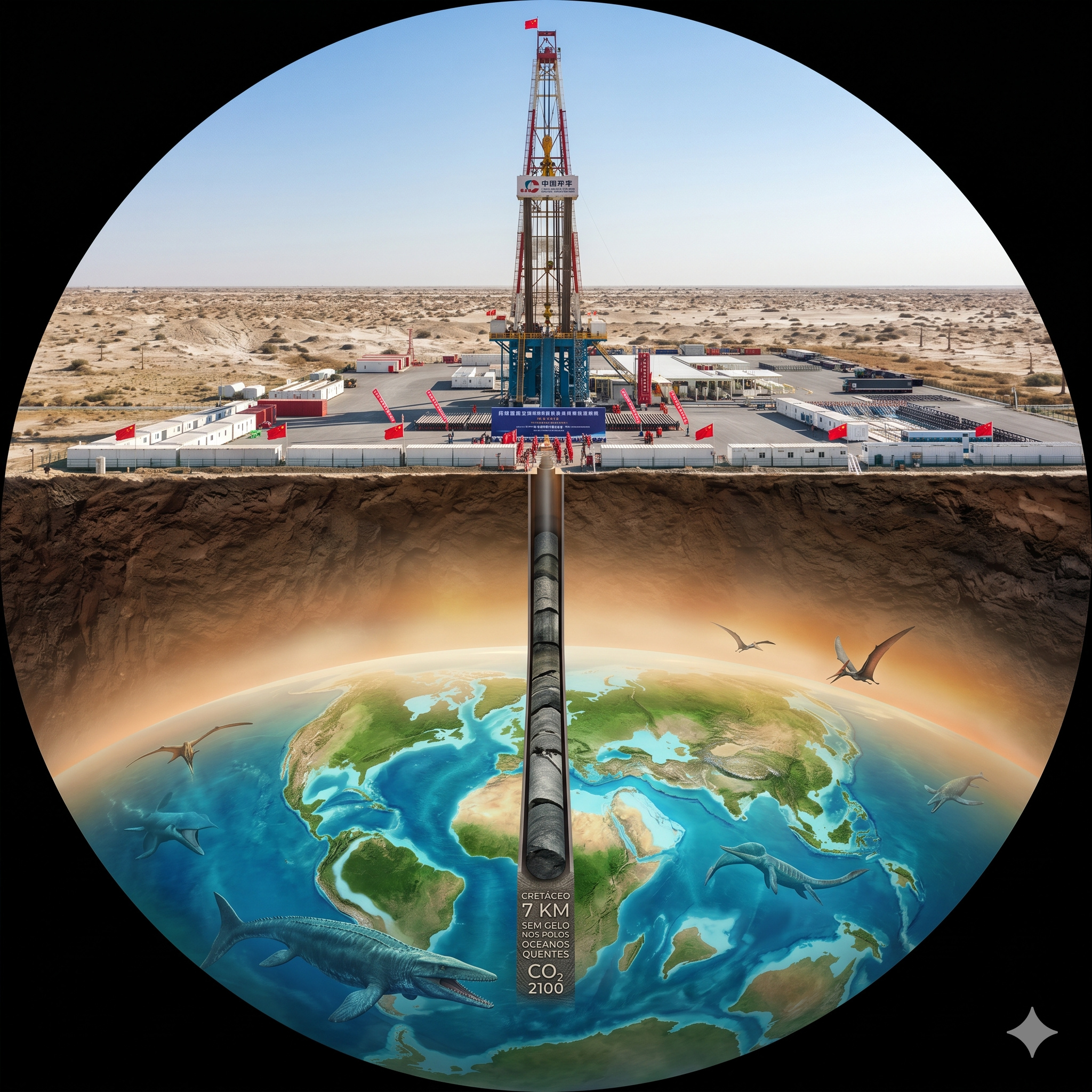
A 7-kilometer drilling in northeastern China opened a unique Cretaceous record and showed how Earth functions without ice at the poles, with oceans up to 10 °C warmer and CO₂ at the level the planet could reach by 2100.

-
Infinix Smart 20: budget phone approved by Anatel with a 6.78″, 120 Hz screen, 5,200 mAh battery, Android 16, 4 GB of RAM, up to 128 GB, and Brazilian production ready to surprise

-
Giant extratropical cyclone advances through the Atlantic and places five Brazilian states on maximum alert with risk of violent storms, 90-millimeter rainfall, hail, and heavy surf along the coast right in the middle of the May Day long weekend.




Sustainability and Possibilities
In addition to cost savings and speed in construction, the 3D printed house stands out for its sustainability. The use of micro-concrete and the precision of the printer significantly reduce material waste. The flexibility of the process allows for the creation of customized designs, opening a range of possibilities for future projects, including the construction of buildings with up to five floors for affordable housing.
Conclusion
The 3D printed house in Nova Lima is just the beginning of a revolution in the construction industry. With benefits such as cost savings, speed, sustainability, and flexibility, this technology promises to transform the way we think about housing. As technology advances, we can expect to see more of these innovative constructions emerging, offering new solutions to the housing challenges of the 21st century.
For more information, visit the original source of the news.




Be the first to react!