






 Portuguese
  Spanish
  4 min of reading
  0 comments


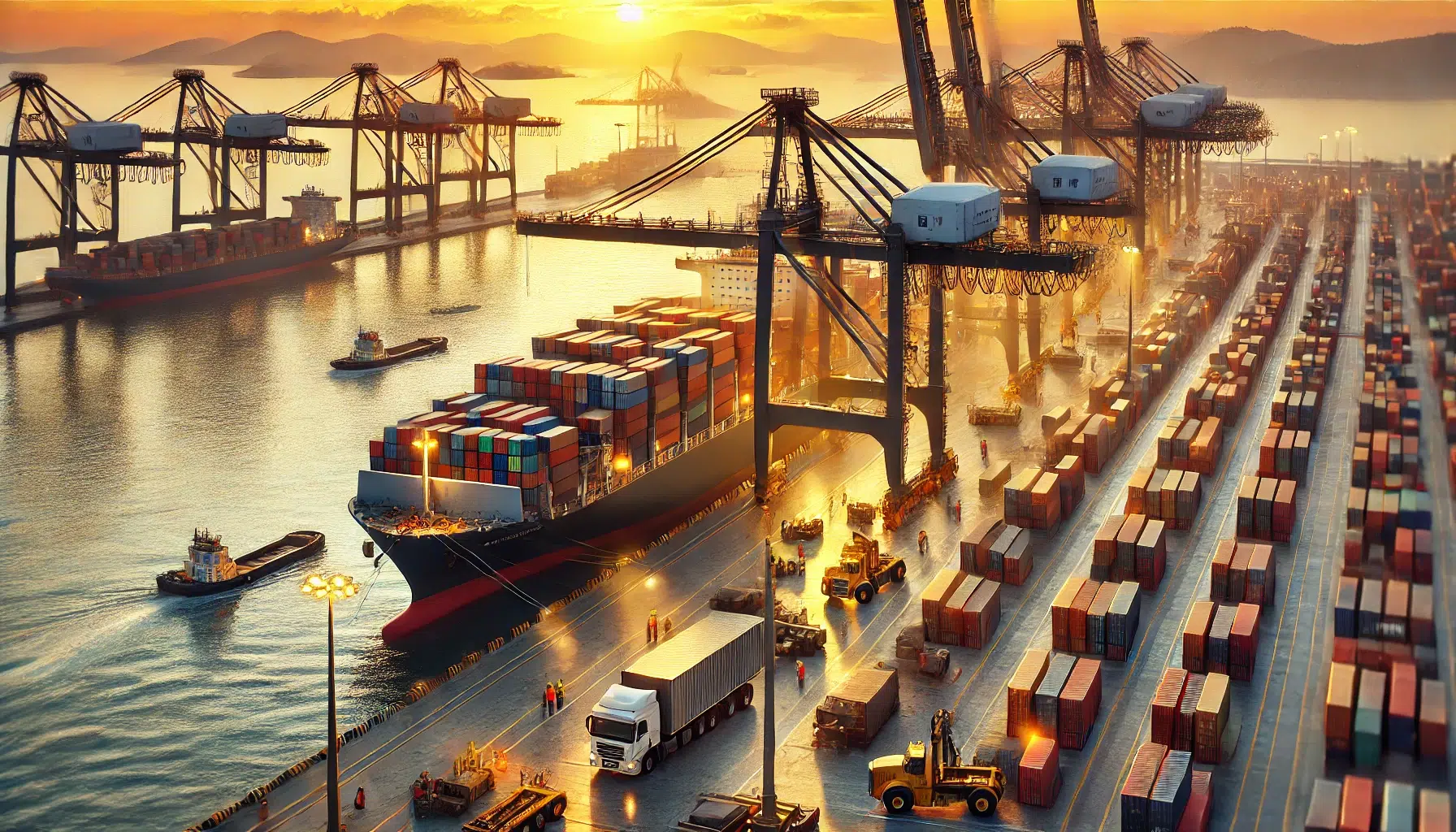
Brazilian Exports Continue to Expand, with an Expected Average Growth of 5% per Year Until 2034. This Progress Will Be Driven by Investments in Agribusiness, Oil, Gas, and Logistics Infrastructure. See:
Currently, Brazilian exports are, therefore, showing a sustained upward trend. According to a study by the Ministry of Economy, published in 2024, the average annual growth is expected to remain above 5% until 2034. This performance will primarily be driven by the increasing global demand for commodities, as well as the ongoing development of the outflow infrastructure. Furthermore, agribusiness, the oil and gas sector, and logistics investments undoubtedly play a central role in this scenario. Thus, Brazil will be able to ensure greater competitiveness in international trade more effectively.
Current Scenario of Brazilian Exports
The average growth of Brazilian exports, therefore, reinforces the country’s position as one of the world’s leading exporters of commodities. Additionally, among the highlighted sectors, the following can be mentioned:
- Agribusiness, responsible for the largest volume of exports;
- Oil and gas, a sector benefiting from pre-salt;
- Iron ore, essential for the global industry;
- Infrastructure and logistics, fundamental for the efficiency of production outflow.
According to data from the National Confederation of Industry (CNI), it is essential that Brazil, therefore, expand its presence in the international market. To achieve this, it is necessary to adopt innovation strategies and, furthermore, direct structural investments. Thus, the country can consequently strengthen its global competitiveness and ensure sustainable growth.
-
Not even the end of the ‘roller coaster’ described by the price of Brent crude oil (the main global benchmark) – which jumped from a price of $72 to $120, then dropped to $76 per barrel – due to the recent peace agreement between the US and Iran, was enough to relieve the Brazilian economy from inflationary pressures.

-
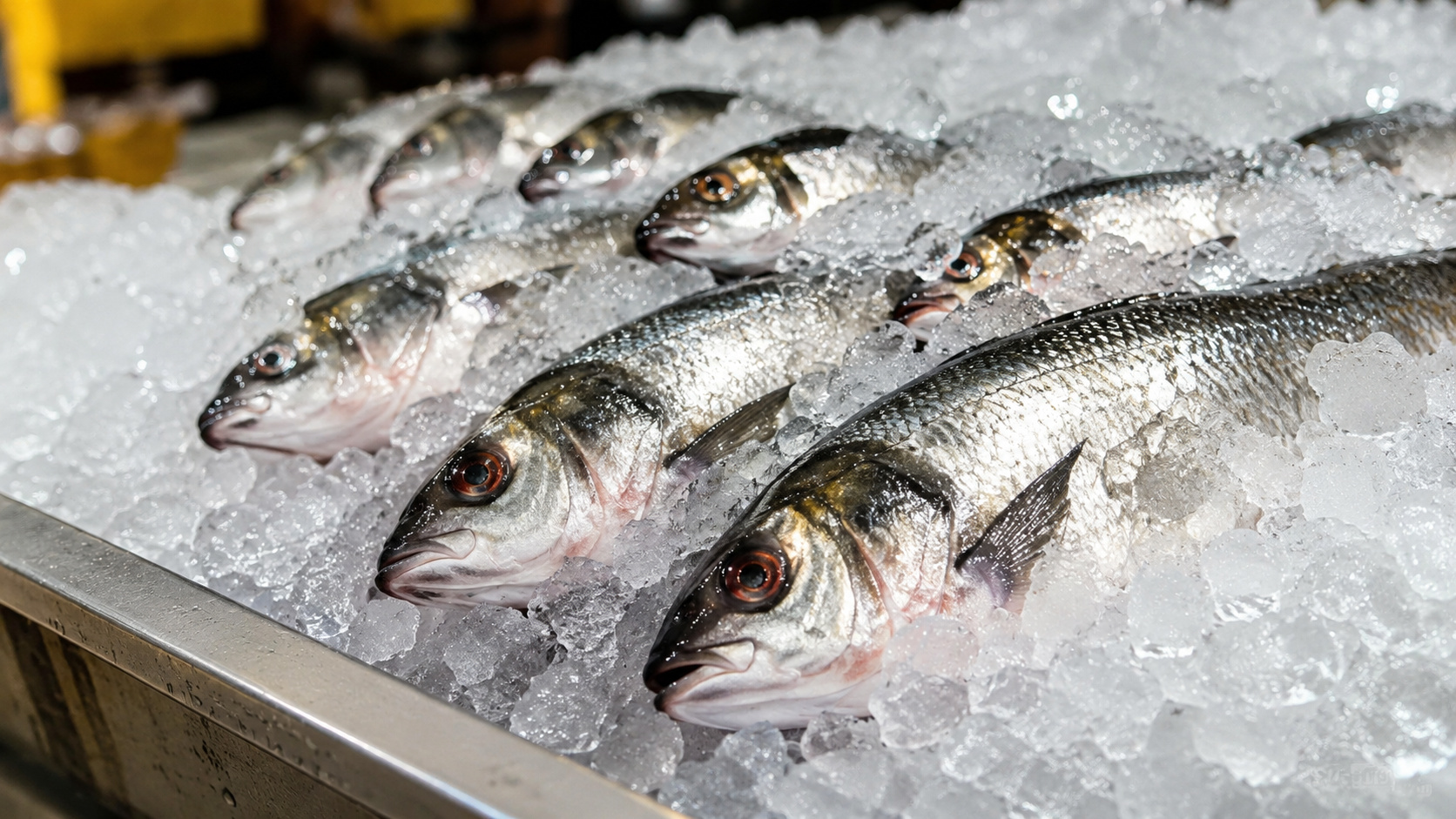
European Union looks again at Brazilian seafood after a nearly 8-year ban and may unlock a coveted market for lobster, tuna, tilapia, and shrimp.

-
Japanese retro sneakers become a sales phenomenon, help Asics achieve record profits, and gain their own operation to target Los Angeles, Milan, and Seoul.
-
Weg is the Brazilian company most exposed to Trump’s tariff hike. The multinational manufacturer of industrial motors and equipment, headquartered in Jaraguá do Sul (SC), is racing against time to reduce the impact of the new U.S. taxation.




Agribusiness Drives Positive Forecasts
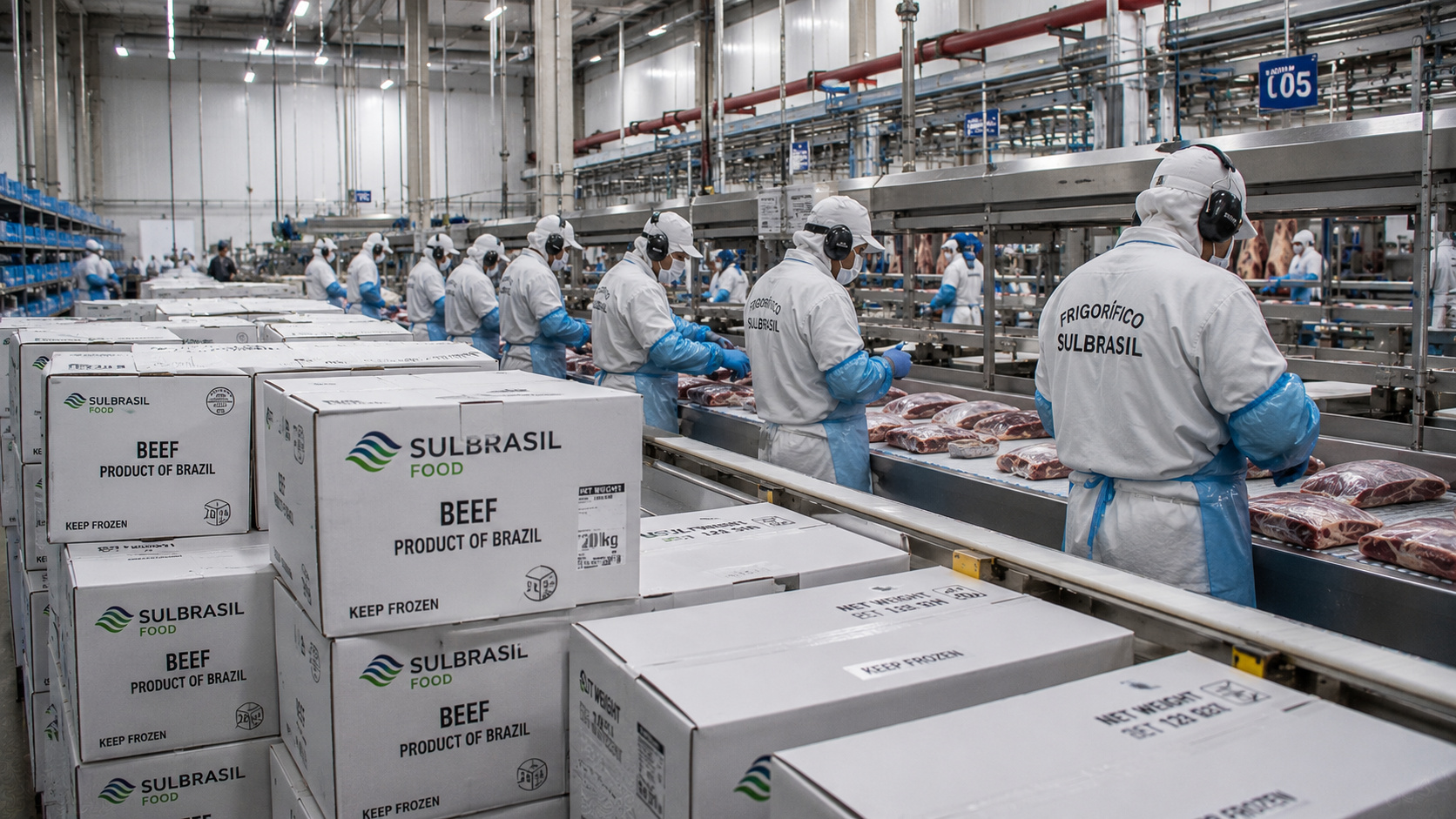
Agribusiness is one of the sectors that contribute the most to the Brazilian trade balance. According to the Ministry of Agriculture, grain production is expected to reach 378.9 million tons by 2034, reflecting significant growth. Among the products with the highest growth forecasts, the following stand out:
- Soybeans, with an estimated growth of over 30%, reaching 199.4 million tons;
- Corn, which may reach 153.1 million tons, reinforcing productivity;
- Chicken meat, with a projected increase of 26.4%;
- Pork, which may advance 27.5%.
The development of the sector will depend on expanding agricultural infrastructure, policies to encourage sustainable production, and research investments to ensure competitiveness and global food security.
Oil and Gas: Brazil Expands Export Market
The oil and gas industry remains one of the strategic sectors for the Brazilian economy. According to the National Agency of Petroleum, Natural Gas and Biofuels (ANP), Brazil exports approximately 2 million barrels of oil per day, potentially exceeding 3 million barrels daily by 2034. This growth will be enabled by:
- Improvement in pre-salt exploration;
- Expansion of refineries to meet global demand;
- Increase in productive capacity of the energy sector;
- Greater integration with the international fuel market.
Despite the increase in production, the country still relies on imports of derivatives such as diesel and aviation kerosene. However, strategies to reduce this dependence are under discussion between the government and the private sector.
Infrastructure and Logistics: Challenges and Opportunities
To sustain this growth, it will be essential to invest in transport and logistics infrastructure. According to a report by the Brazilian Association of Port Terminals (ABTP), published in 2023, investments in the sector could exceed R$ 50 billion by 2030. The priorities include:
- Expansion and modernization of ports;
- Expansion of railways to reduce logistical costs;
- Improvement of the road network to facilitate outflow;
- Greater efficiency in customs processes to expedite exports.
Cooperation between the public and private sectors will be essential to ensure that logistical advances meet growing demand and make foreign trade more competitive.
Sustainability and Environmental Impact on Export Growth
Sustainability will be a determining factor for Brazil’s competitiveness in the global scenario. According to the Energy Research Company (EPE), in a study from 2024, the country has been investing in initiatives to reduce environmental impacts, such as:
- Incentive for the production of biofuels, such as ethanol and biodiesel;
- Decarbonization projects to minimize CO₂ emissions;
- Development of clean technologies for industrial modernization;
- New environmental regulations to ensure sustainable growth.
Compliance with international environmental requirements will ensure that Brazil maintains privileged access to markets that demand social and environmental responsibility.
Outlook for the Coming Years
Projections indicate that Brazil will continue to expand its exports sustainably and competitively. To achieve this, it will be essential to maintain investments in technology, infrastructure, and innovation, consolidating the country among the leading global exporters. Additionally, keeping up with international market trends and adapting to new demands will be crucial to ensure continued growth.







-

1 person reacted to this.