






 Portuguese
  Spanish


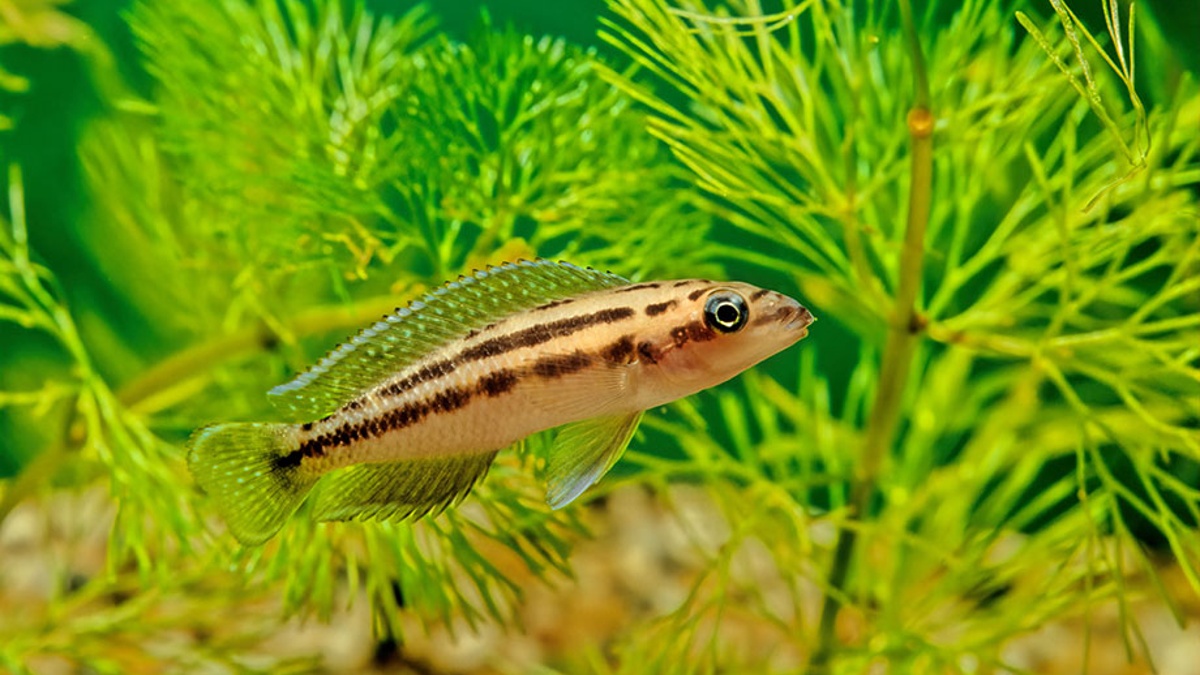

The increasingly intense heat waves are not only affecting humans. Scientists have discovered that extreme temperatures also alter the behavior of various animals, impairing reasoning ability, increasing aggression, and hindering essential survival tasks. Recent research shows that heat can literally “shuffle” the brain function of various species, from birds and fish to mammals and insects.
Furthermore, experts warn that the advancement of climate change could amplify these effects in the coming years. With more frequent and prolonged heat waves, scientists fear increasingly significant impacts on entire ecosystems, animal reproduction, and even food production dependent on pollination.
Heat directly affects the brains of animals
Researchers have observed that high temperatures reduce learning capacity, memory, and problem-solving in different species.
-
Billionaire says the most valuable skill will help overcome job elimination caused by AI, following Bill Gates’ fears

-
A Dutchman created a ‘box’ that makes trees grow in the desert almost without water and without irrigation: the invention has already brought seedlings to dozens of countries and achieves up to 90% survival where common planting did not exceed 10%.

-
Abandoned warehouse hid a giant collection of rare computers, with over 2,000 artifacts from the 1930s to the 1980s.
-
Scientists warn that melting ice is triggering an alarming chemical transformation in preserved areas, and the first signs are already concerning researchers worldwide.




Moreover, various animals have difficulty recognizing threats and making appropriate decisions when facing extreme heat.
According to studies, the temperature increase interferes with the functioning of the nervous system, especially in species that cannot efficiently regulate their own body temperature.

Birds start to err in simple tasks
One of the most striking examples involves the so-called “pied babblers,” birds found in southern Africa.
During periods of intense heat, the birds had enormous difficulty solving simple tasks that they normally performed without problems.
Furthermore, researchers observed that the birds repeatedly insisted on wrong strategies, even when the correct solution was visible.
Animals become more aggressive during heat waves
The heat also seems to increase significantly the levels of aggression in various species.
Additionally, research has recorded an increase in hostile behaviors in salamanders, fish, ants, dogs, rodents, and even primates.
Experts believe that the increase in metabolism and physical stress caused by heat directly contributes to this behavior.
Salamanders have quadrupled aggressiveness
In experiments conducted with salamanders in the United States, scientists observed drastic changes.
When the temperature rose to around 25°C, the animals became almost four times more aggressive than under normal conditions.
Additionally, confrontations began to include chases, bites, and much more frequent territorial disputes.
Fish also completely change behavior
The effects are not limited to terrestrial animals.
Research conducted with fish showed a significant increase in aggressiveness when the water temperature rose a few degrees above usual.
Additionally, the animals began to attack other group members more frequently, compromising collective behaviors important for protection against predators.
Bees have difficulty learning
Extreme heat also affects insects fundamental to ecosystems.
In tests conducted with bees, researchers found that high temperatures impaired the insects’ learning ability.
Additionally, less than half of the bees were able to correctly complete certain learning associations when exposed to intense heat.
Pollination may be impaired
The impacts go beyond the individual behavior of animals.
Since bees play an essential role in the pollination of agricultural crops, cognitive alterations can directly affect food production.
Additionally, crops like tomatoes, berries, and various vegetables heavily depend on these pollinators.
Heat reduces the ability to identify dangers
Another concerning effect involves the perception of threats.
During some experiments, birds subjected to extreme heat began to react the same way to a real predator and a completely harmless object.
Furthermore, scientists believe that this mental confusion may increase the risk of attacks and mortality in the wild.
Climate changes increase concern
The phenomenon occurs precisely at a time of global temperature growth.
Furthermore, heatwaves are becoming more frequent, longer, and more intense in various regions of the planet.
Experts state that the effects on fauna may increase significantly in the coming decades.
Competition for food also grows
The heat accelerates the metabolism of many animals.
As a consequence, they begin to need more energy to survive, increasing disputes for territory and food.
Moreover, the reduction of natural resources during periods of drought further intensifies the conflicts.
Scientists see a relationship with human behavior
The researchers highlight that the effects observed in animals show similarities with studies conducted on humans.
Furthermore, several studies have already associated high temperatures with increased violence, irritability, and impulsive behaviors in people.
Therefore, understanding how heat affects the animal brain can help to better understand the impacts of climate change on all species.
Entire ecosystems may feel the effects
Behavioral changes can have much greater consequences than they appear.
Moreover, changes in feeding, reproduction, defense, and social interaction have the potential to modify entire ecological chains.
Experts warn that these effects may directly affect global biodiversity.


What scientists are monitoring now
Researchers continue to monitor the impacts of extreme heat on different species.
Among the main points analyzed are:
- Increase in animal aggressiveness
- Memory and learning problems
- Reproductive changes
- Changes in feeding patterns
- Impacts on pollinators
- Risks to biodiversity
Additionally, new studies should help understand how animals will be able to adapt to an increasingly warmer planet.
Heat may be changing wildlife behavior across the planet
The findings show that heatwaves do not only cause physical discomfort. In many cases, they directly alter how animals think, learn, and interact with each other.
Furthermore, scientists believe that the progression of climate change could significantly intensify these effects in the coming years. As global temperatures continue to rise, understanding how heat affects animal behavior has become one of the new priorities of environmental science.





Thank you for 🙏 this wisdom