






 Portuguese
  Spanish
 4 min of reading
  0 comments


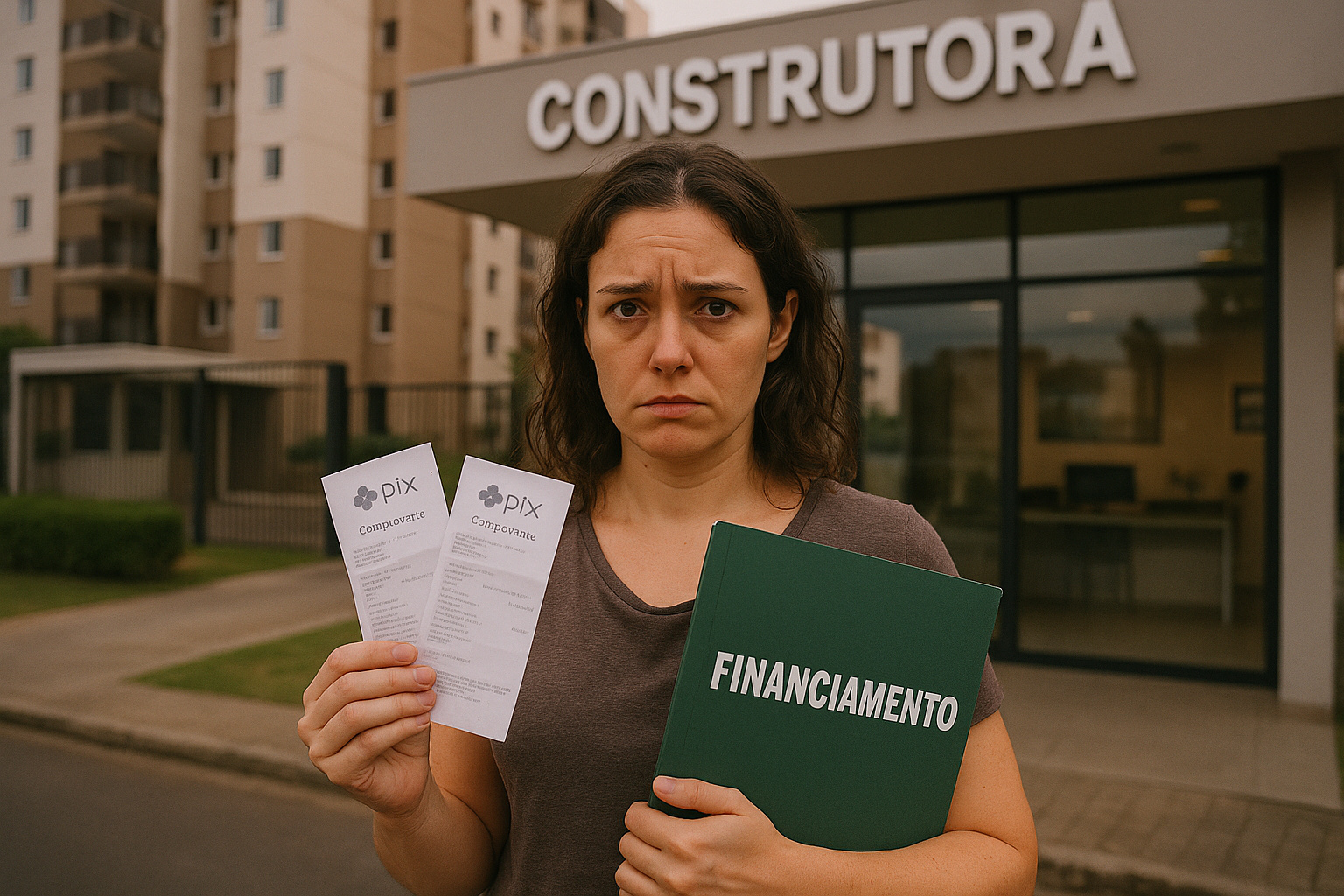
Housekeeper Bruna das Neves Believed She Was Negotiating Her First Property with a Licensed Realtor, but the Dream Became a Nightmare After Transferring R$ 11 Thousand via Pix. The Suspect, Who Had Access to the Condominiums and Keys to the Apartments, Was Investigated by the Civil Police for Fraud
The scam that caused a family from the North Zone of Rio de Janeiro to lose R$ 11 thousand is still making headlines a year later. In April 2024, housekeeper Bruna das Neves believed she was about to achieve the dream of home ownership by negotiating a property in São Cristóvão. What seemed like an opportunity turned into a nightmare: the man who presented himself as a realtor was, in fact, a fraudster.
The case gained attention at the time and became a symbol of the risks of the so-called “fake realtor scam”, a scheme where criminals infiltrate real estate company booths and gain the trust of unsuspecting buyers.
The Trust That Became a Trap
Bruna met the scammer after seeing an apartment ad on social media. She visited the Vivaz Construction booth, where she was attended by an employee and introduced to Roni Álvaro Bento Mathias, who claimed to be a licensed realtor.
-
They promised wealth with Sigma Lithium’s lithium mining, but the Jequitinhonha Valley got cracked houses, skyrocketing rent, and R$ 0 in royalties in 2025.

-
Brazilian creates ingenious hack with bus air conditioner water and transforms invisible dripping into savings of millions of liters; Capixaba system reuses condensation on the windshield, supplies the toilet on long trips, and has become a practice in Águia Branca’s fleet.
-
An 11-year-old boy left home with two cousins to sell popcorn for R$ 5, became an entrepreneur at 15, sells 100 buckets a day, and uses the profit to pay the entire family working in the business.
-
To escape traditional rent, a couple bought a 21 m² floating house without seeing it, renovated everything in 3 months, and started living isolated on a lake in the USA, without electricity, without cell phone signal, and accessible only by boat.


According to the victim, Roni had full access to the condominiums.
“He showed the apartments, the barbecue area, had the keys, and was authorized by the doormen. We believed everything was fine,” Bruna said in an interview with G1.
As weeks went by, Roni convinced the couple to make deposits via Pix, under the pretext of covering income tax and financing documentation expenses. He even claimed that Caixa Econômica Federal had approved a credit of R$ 230 thousand, demanding an additional R$ 8 thousand down payment to release the contract.
The fake realtor even took the couple to a Caixa branch on Avenida Rio Branco, in downtown Rio, and simulated conversations with a manager, reinforcing the credibility of the scam.
Discovery of the Scam and Police Investigation
Days later, the supposed realtor began sending messages saying the contract had come “with an error.”
“Bruna, the contract came wrong, it has already been requested by the rightful party to be corrected. Today Vivaz itself charged Caixa,” he wrote in one of the messages.
It was at this moment that Bruna realized she had fallen for a scam. The family filed a police report at the 17th DP (São Cristóvão), and the case began to be investigated as fraud.
In a heartfelt moment, Bruna stated:
“I am 40 years old and have never owned a home. I wanted to provide a home for my children. I lost everything I had saved with so much effort.”
Scammer’s Background and Construction Company’s Position
The investigation revealed that Roni Álvaro Bento Mathias had previously been arrested in 2020, accused of passive corruption while working as an intern at the Public Defender’s Office. At that time, he charged fees from clients, promising to expedite legal processes — at least eight people filed police reports.
The Vivaz Construction stated that the man was not part of their associate roster and acted independently, improperly using the company’s name. In a statement sent to the press, Vivaz emphasized that they do not reserve properties and that payments should not be made directly to realtors.
The company also reported having taken civil and criminal measures to investigate the misuse of its brand and cooperate with the investigation.
Reflections and Legal Developments
The case reignited the debate on shared responsibility between construction companies and financial institutions in real estate scams. Consumer law experts remind that the STJ has understood that banks can be held liable for security failures in Pix transactions, and that construction companies should adopt control mechanisms over their representatives and access.
Although the process is still under investigation, the episode involving Bruna das Neves serves as a warning for buyers who negotiate properties outside official channels. Cases like this show that blind trust and the immediacy of digital transfers continue to be the biggest allies of scammers.
The information was originally reported by G1, with contributions from TV Globo, in a report published on April 29, 2024.


-

-

-

-

-

32 people reacted to this.