Portuguese
  Spanish


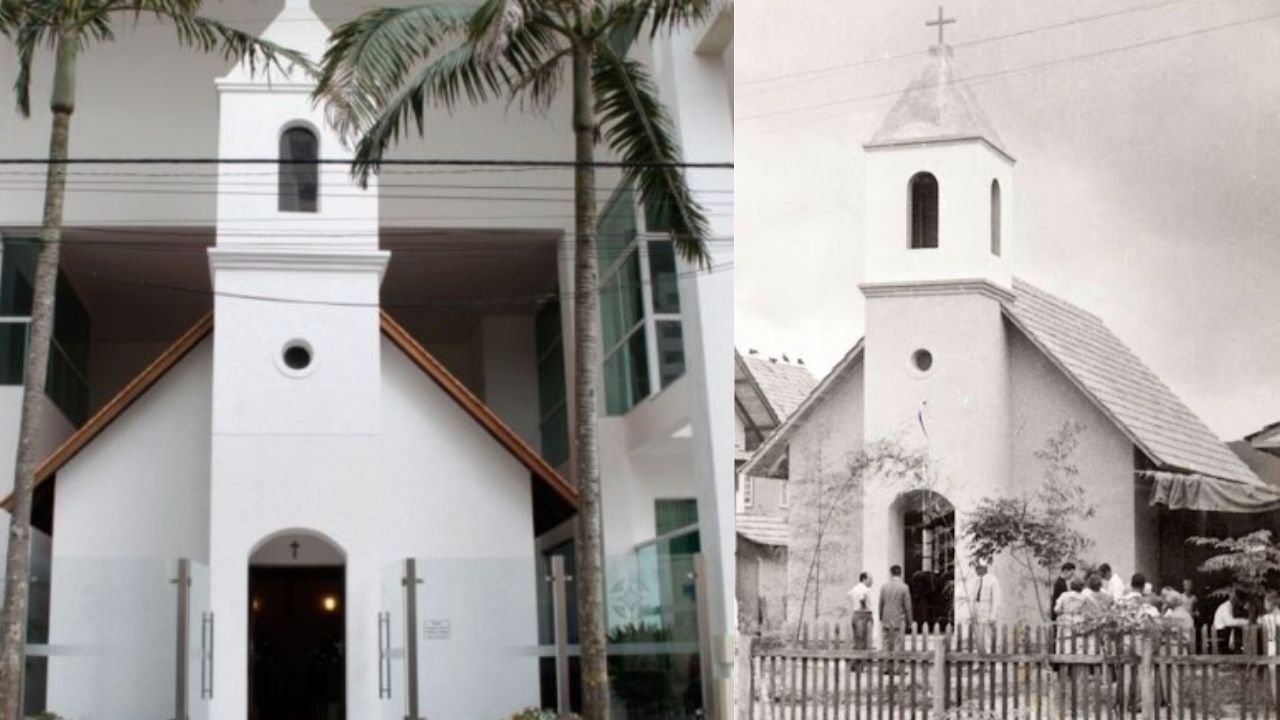

In Balneário Camboriú, the Chapel of Peace has survived six decades surrounded by skyscrapers and remains preserved as a historical heritage: built in seven weeks in 1961, the small church accommodates up to 60 people in the municipality recognized for having the most expensive square meter in Brazil and for the accelerated urban verticalization of the Santa Catarina coast.
In Balneário Camboriú, on the Northern Coast of Santa Catarina, the Chapel of Peace stands firm among buildings that have reshaped the city’s landscape. The small Lutheran church, built in seven weeks and inaugurated on January 22, 1961, has a maximum capacity of 60 people.
As reported by ND Mais, more than six decades later, the property remains preserved on 2300 Street, in the Center, after being listed by the municipality in 1998. In a city marked by verticalization and residential appreciation, the chapel has become a visible contrast to the surrounding towers.
Chapel of Peace was born out of a local religious need

Before Balneário Camboriú became known for its residential towers, the Lutherans who lived or spent seasons in the former Praia de Camboriú had to travel to Itajaí to attend services. The story of the Chapel of Peace began when Berty Jensen, who had moved from Curitiba to the region in 1956, started gathering worshippers in her home.
-
A newly opened terminal in the middle of the Amazon has begun transporting soy and corn through Amapá, eyeing the queue of ships that is congesting the ports in the South.

-
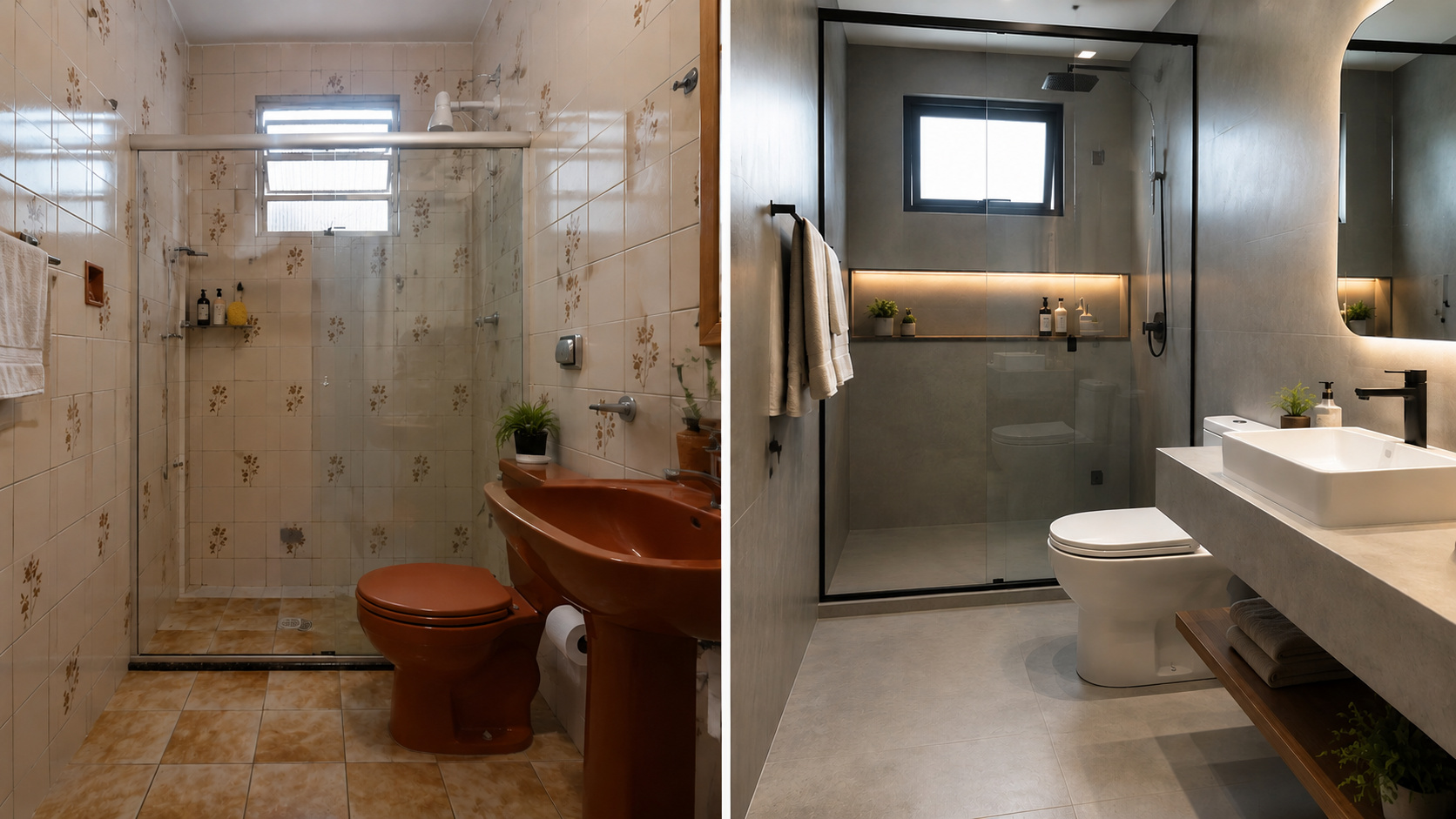
Goodbye to old tiles: renovation technique without construction transforms bathrooms in a few hours, eliminates debris, and reduces costs with coverings using special paints, high-resistance adhesives, and modern finishes that completely renew the space.

-
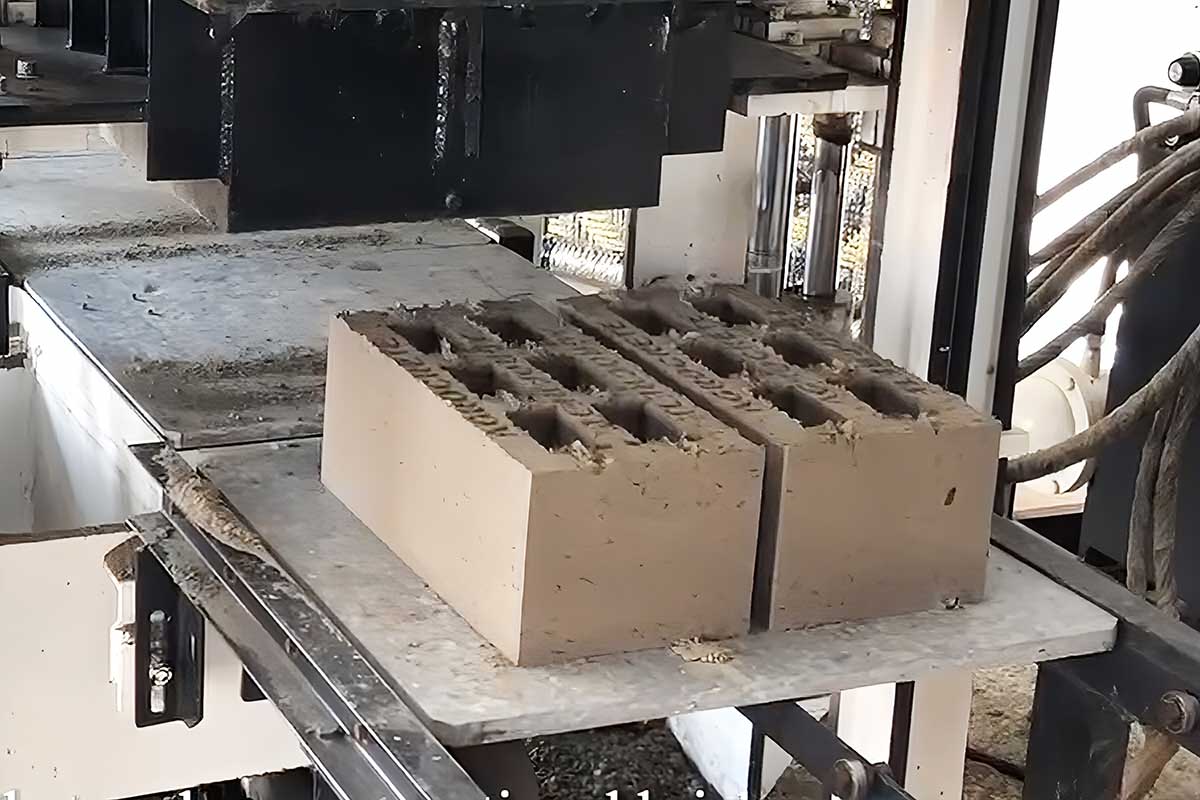
Goodbye to the traditional clay brick: Indian startup transforms burnt straw into a carbon-negative brick that costs half, insulates better, and even removes CO2 from the air.

-
A Japanese governor single-handedly stalled the construction of the world’s fastest train for nine years, and only now has he agreed to allow a tunnel excavated at a depth of 1,400 meters.


With the growth of the gatherings, Pastor Lindolfo Weingärtner organized the construction of a dedicated space, with work by mason Paulo Tesch and resources obtained with community support. The construction was completed in seven weeks and inaugurated on January 22, 1961. The Chapel of Peace was born out of a local demand, before the landscape was dominated by large buildings.
Historical heritage remained protected at the original address

The recognition as historical heritage occurred in 1998, when the municipality designated the Capela da Paz as historical, cultural, and architectural heritage of Balneário Camboriú. The measure provided public protection to a modest construction, but one linked to the religious and urban formation of the central region.
In 2012, before the implementation of a residential development around the church, the chapel was restored. The building erected in the area was named Tour Chapelle, a direct reference to the preserved construction. The permanence of this historical heritage keeps visible a previous stage of the municipality’s transformation.
Skyscrapers changed the horizon around the little church

The skyscrapers that now surround the Capela da Paz reflect the process of verticalization that transformed Balneário Camboriú in recent decades. With a clear facade, small tower, and reduced scale, the temple stands out from the residential buildings that have come to dominate the Center’s landscape.
This contrast has given the church another meaning for residents and visitors. Among the skyscrapers, it serves as a reference to a city that once had very different dimensions from the current ones. The chapel did not halt urban growth, but preserved a material memory within it.
Most expensive square meter in Brazil amplifies urban contrast
The landscape becomes even more symbolic because Balneário Camboriú appeared in the FipeZAP Index of April 2026 with the most expensive square meter in Brazil among the monitored cities. The average residential sale price disclosed in the survey was R$ 15,185 per square meter, slightly above that recorded in Itapema.
In a municipality associated with the most expensive square meter in Brazil, the Capela da Paz occupies a small space, with a maximum capacity of 60 people, but carries a value that does not depend on the real estate market. The historical heritage offers a counterpoint to the skyscrapers and high-end developments that surround the address.
Church remains open in one of the city’s most valued areas

The Capela da Paz has not remained just as a preserved facade. Currently, the church remains open to the public from Monday to Friday, from 2 PM to 6 PM, and is used for ecumenical celebrations, weddings, and baptisms. The activity keeps alive the purpose that motivated its construction.
The continuity also reinforces the contrast of Balneário Camboriú in the city related to the most expensive square meter in Brazil, the small church continues to receive people under the shadow of the skyscrapers. More than historical heritage, it represents the permanence of community ties in a landscape marked by luxury.
The permanence of the small church raises a relevant question for valued urban centers: how to reconcile new buildings and preservation without erasing the spaces that tell the local history? For you, does the Capela da Paz symbolize balance or is it a rare exception? Leave your opinion in the comments.