






 Portuguese
  Spanish
  5 min of reading
  0 comments


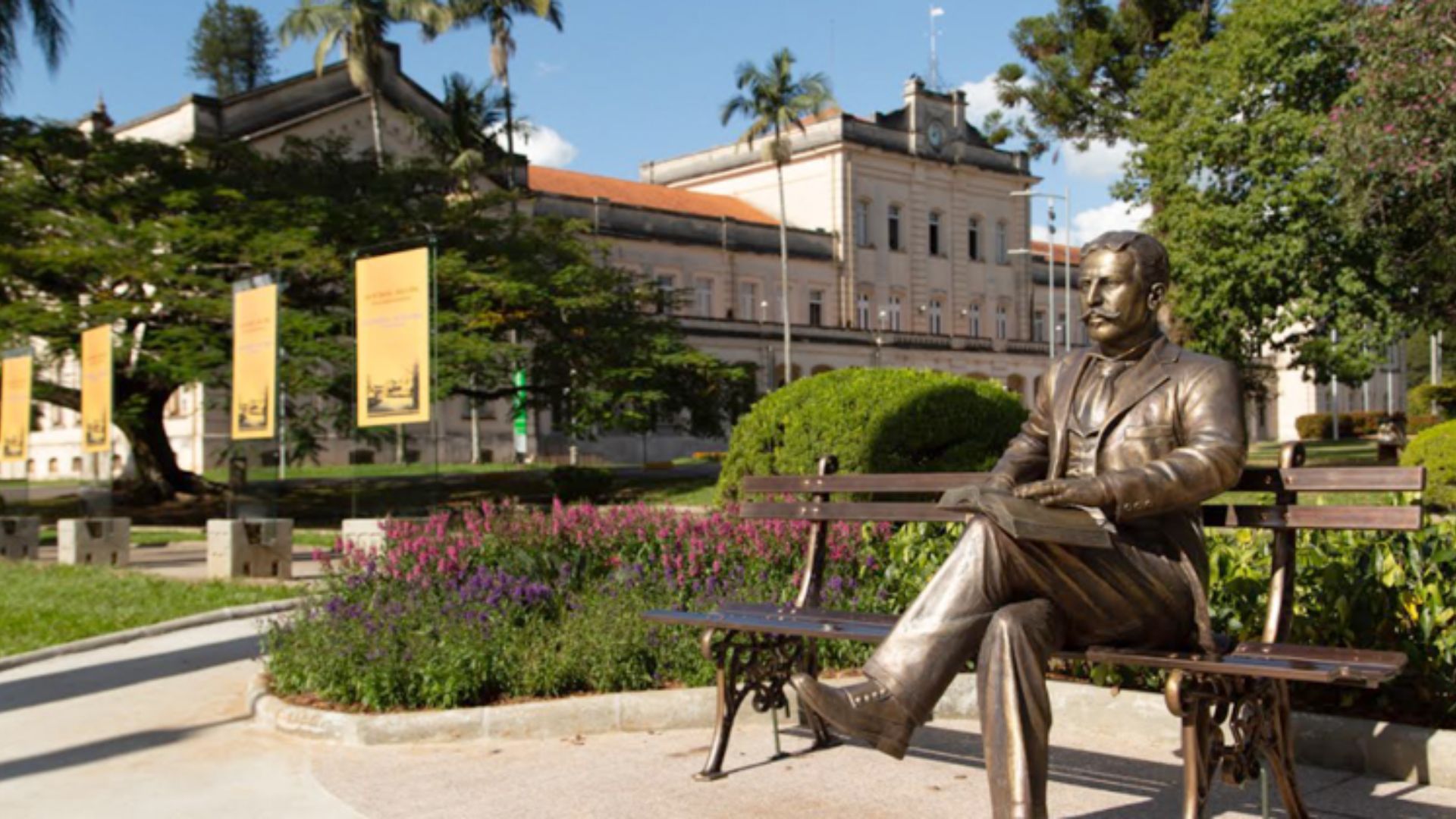
In Piracicaba, At The End Of The 19th Century, A Paulista Farmer Donated Land And Fortune To Build A Pioneering Agricultural School, Which Years Later Would Be Incorporated Into USP And Transform Science And Agribusiness In Brazil.
The donation of 319 hectares and a personal project for agricultural education initiated in the late 19th century resulted in the creation of the institution that would later integrate into the University of São Paulo.
The paulista Luiz Vicente de Souza Queiroz invested his own resources and forged partnerships to build, in Piracicaba (SP), the school that would become the ESALQ/USP, a reference in training professionals who made significant contributions to agricultural science in the country.
Origin and Education of Luiz de Queiroz
Son of the Baron of Limeira and grandson of large landowners, Luiz de Queiroz was born in São Paulo on June 12, 1849.
-
While other coffees escape the American tariff hike, Brazilian instant coffee is excluded, raising an alert in the sector and may become up to 37.5% more expensive in the United States.

-
Degraded lands could become São Paulo’s new asset to expand planted forests, strengthen wood, cellulose, and biomaterials, as well as keep the state competitive in the international market.
-
Iran and Russia announce that they are working on creating a grain exchange for BRICS countries, with support from Moscow, one of the world’s largest grain producers, and call on central banks to simplify payments to boost agricultural trade.

-
Even without an official rural area, Florianópolis maintains family farming in Ratones, Ingleses, and Ribeirão, producing cassava, honey, oysters, and organic products, transforming farms into schools and rural tourism, but faces an uncomfortable question: how long can the countryside withstand within a growing capital?


Sent to Europe while still young, he studied at the Agricultural School of Grignon in France and in Zurich, Switzerland.
The exposure to practical curricula, applied research, and modern farm management solidified his conviction that Brazilian agriculture depended on technical education and a specialized school.
Back in Brazil in the 1870s, he took over his father’s inheritance and brought to Piracicaba a repertoire that combined agronomy, industry, and infrastructure.
However, the bet on professional training would not come immediately: first, he invested in local business initiatives.
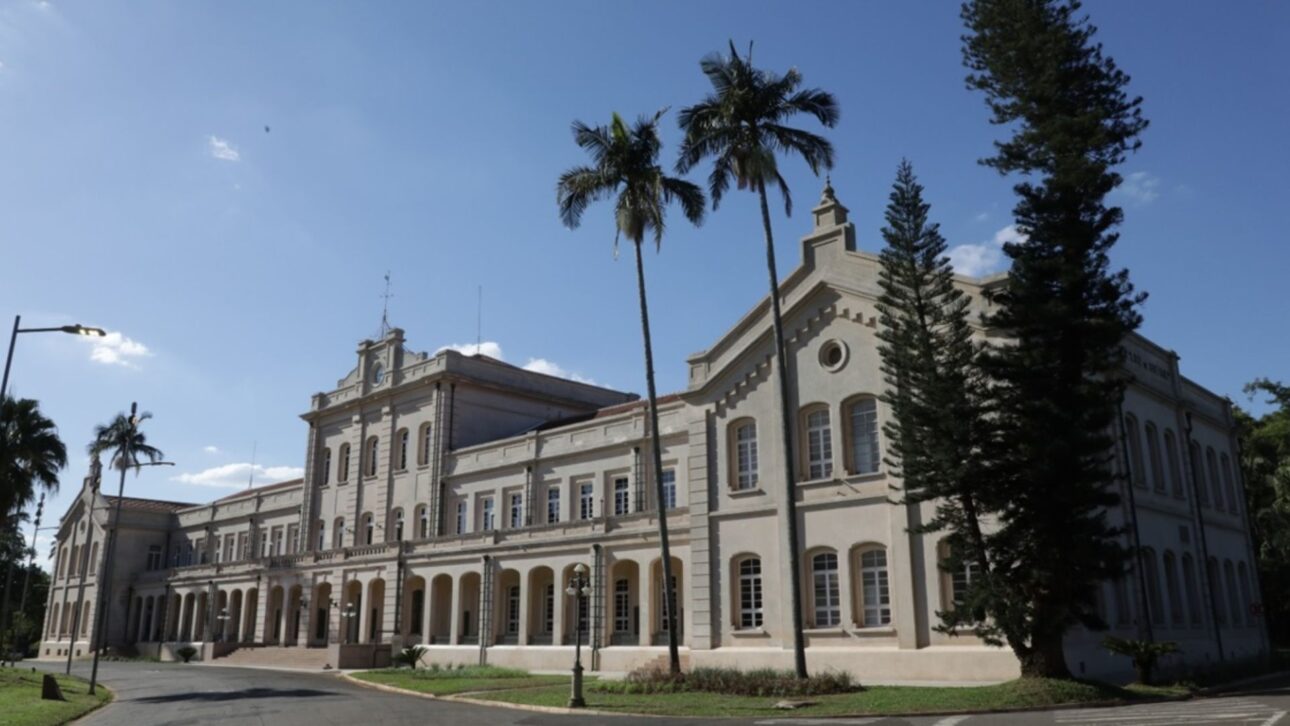
Legacy and Modernization in Piracicaba
With his father’s death in 1872, Queiroz took on the administration of Fazenda Engenho d’Água, on the banks of the Piracicaba River.
The geography of the falls and hydraulic power led to the installation of the Santa Francisca Textile Factory, a venture that integrated agriculture and industry and put the city on the map of paulista modernization.
The experience of assembling a team, importing machinery, and organizing production helped cement his vision of management and technology in the field.
While cotton supplied the weaving industry, the farmer studied models of school-farms known in Europe.
The goal was not only to teach techniques but to introduce a standard of practical education with experimental fields, a boarding school, and a specialized faculty capable of disseminating knowledge to paulista agriculture.
The São João da Montanha Farm
The project found its location at the end of the 1880s.
In 1889, Queiroz acquired the São João da Montanha Farm, a 319-hectare property he deemed suitable to host the future school.
From there, he commissioned architectural designs overseas and began construction and adaptations to the property, moving into the old headquarters to closely monitor the work.
Expenses rose rapidly.
Faced with rising costs, he sought support from the paulista government, without success in his initial attempts.
To avoid complete stagnation, he decided to transfer the farm to the State, with a central clause: the school should be completed within a maximum period of ten years.
The model of conditional donation, common in philanthropic initiatives at the time, ensured that private investment would not be lost and pressured the public authority to complete the project.
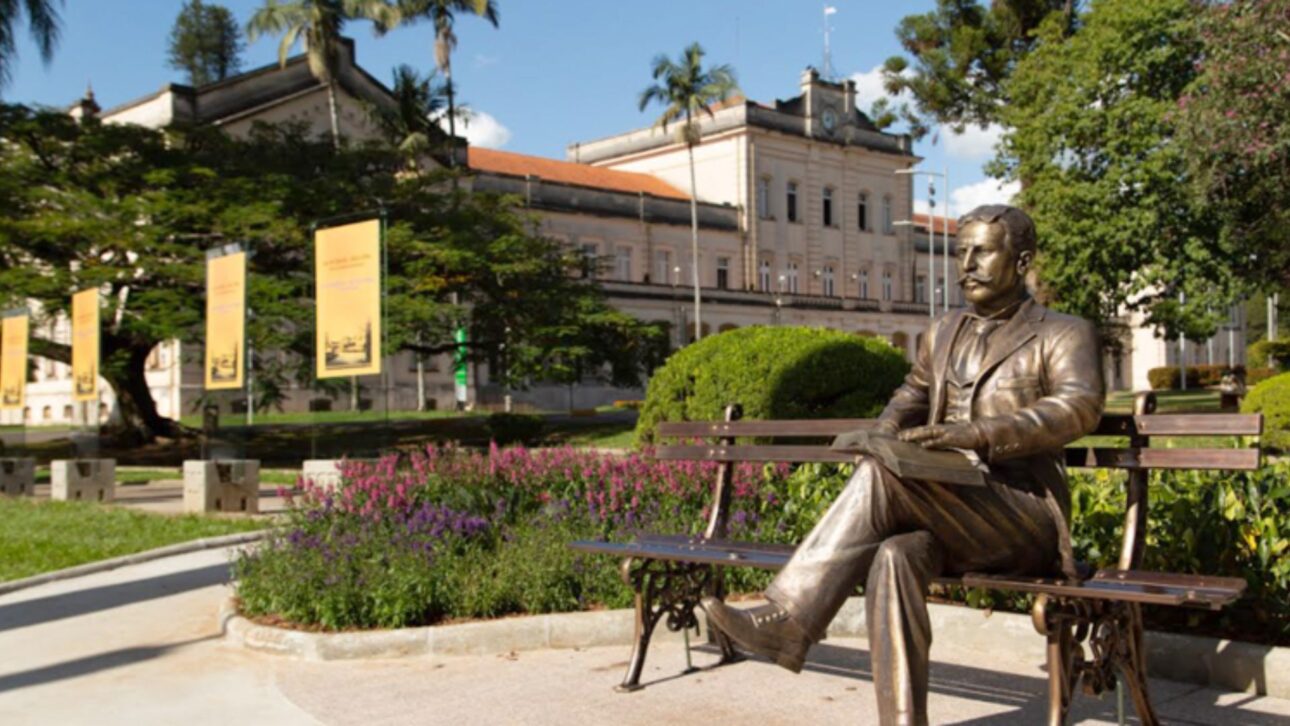
Pedagogical Project and International Partnerships
At the same time, Queiroz brought references from American and European schools.
In 1891, he hired professionals to assist in the academic and administrative implementation, aligning the curriculum with international practices and hands-on farming education.
The proposal involved student boarding, field classes, and agricultural experimentation, within a structure that anticipated the integration between teaching, research, and extension now associated with universities.
Even with the donation and the outlined pedagogical plan, construction faced new interruptions due to the state’s budget restrictions.
The turn of the century was approaching, and the founder still had not seen the doors open.
Foundation of the Agricultural School
Luiz de Queiroz passed away on June 11, 1898. Three years later, in 1901, the paulista government inaugurated the practical agricultural school on the donated farm, fulfilling the deadline clause and starting regular technical training activities in Piracicaba.
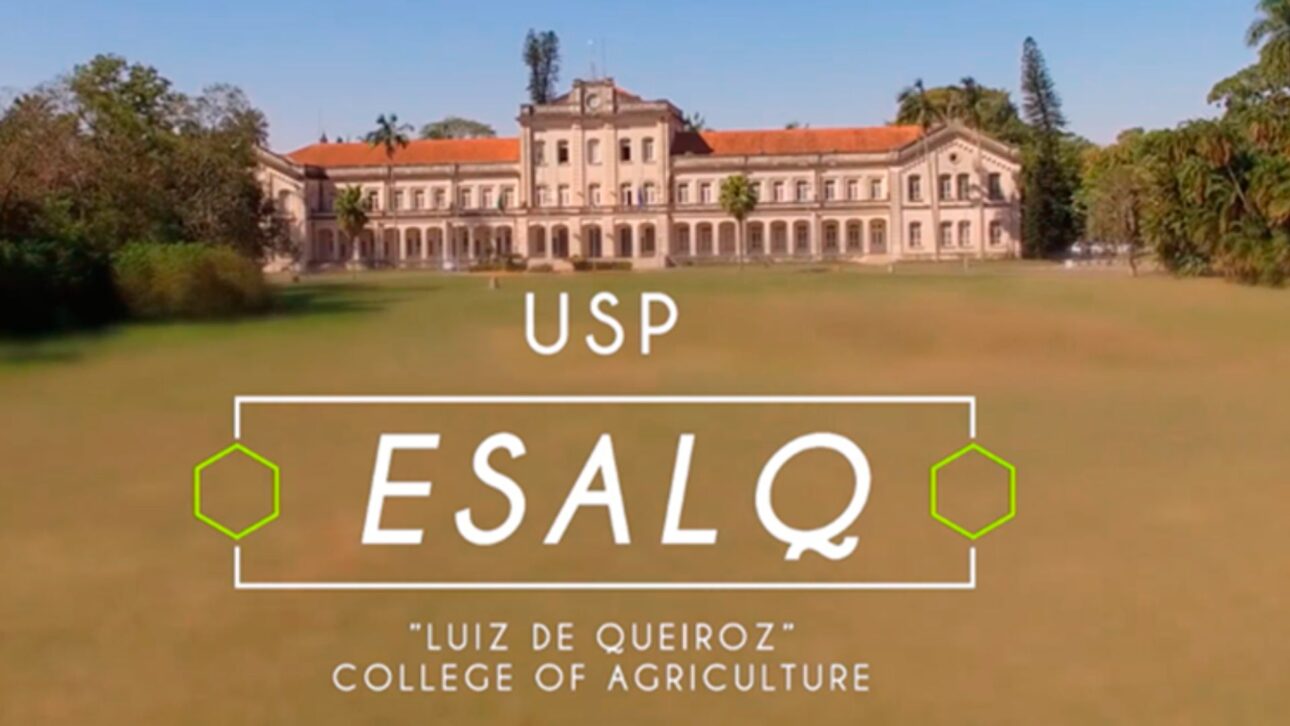
With academic advancement and the expansion of courses, the institution evolved and, in 1934, began to integrate into the newly created University of São Paulo as one of its founding units, consolidating the designation School of Agriculture “Luiz de Queiroz”.
From this university framework, the school expanded departments, laboratories, and experimental areas, absorbing new research fronts and strengthening ties with scientific centers in Brazil and abroad.
The institutional trajectory, initiated even before USP existed, was incorporated into the university architecture that formed in the state that year.
ESALQ/USP and Impact on Brazilian Agribusiness
Throughout the 20th century, ESALQ/USP became a center of excellence in agricultural sciences.
The school trained agronomists, researchers, and public and private managers who led agricultural modernization in the country.
Research lines in soils, plant science, genetics, agricultural economics, and forest management solidified, as did extension projects capable of transferring technology to rural producers.
As Brazil urbanized and simultaneously expanded its agricultural frontier, professors and alumni from the unit were at the forefront of breeding programs, mechanization, sustainable management, and credit and technical assistance policies.
This network of training and research reinforced productivity in the field and helped organize value chains, from input supply to food processing.


The Legacy of Luiz de Queiroz
The name of Luiz de Queiroz remains in the historic building, archives, and academic routine of Piracicaba. His legacy goes beyond the gesture of donating a farm.
He articulated a pedagogical model, sought international standards, and conditioned the donation to a deadline to ensure execution.
The result was the creation of a school that, pioneeringly, structured technical leadership for agriculture even before the existence of USP itself.
More than a century later, the campus area, laboratories, and experimental stations reflect the original vision of integrating practice and science.
Although the founder did not witness the inauguration, his initiative transformed into a permanent knowledge infrastructure, playing a recognized role in training professionals for Brazilian agribusiness.







Be the first to react!