Portuguese
  Spanish



From November, Pix Transactions Over R$ 200 Can Only Be Made Through Registered Devices, Reported the Central Bank. Discover What Changes in Your Transactions and How to Adapt to These New Security Rules!
Starting November 1st, the Central Bank (BC) will implement new rules for using Pix, the instant transfer system that has won over Brazilians in recent years.
The changes aim to strengthen the security of transactions and combat fraud, which has become an increasing concern. According to the new guidelines, transfers over R$ 200 can only be conducted through devices previously registered by the customer with the financial institution.
The measure adds an extra layer of protection, establishing a daily limit of R$ 1,000 for transfers made by devices that have not been previously registered. This requirement, however, only applies to cell phones and computers that have not yet been used to make transactions via Pix.
-
Chinese E-commerce Giant Predicts Robots Will Replace 700,000 Delivery Workers as Autonomous Vehicles Expand to 200 Cities, Offering Training for Workers to Maintain Their Machines

-
Trump warns Europe with 100% tariff threat on digital tax, potentially impacting wine and trade agreements

-
As Homeownership Becomes Unattainable in Brazil, Japanese Municipalities Offer Abandoned Houses for as Low as $3,000 to Revitalize Aging, Emptying Cities
-
Job Market in 2026 Welcomes High School Graduates: Logistics, Retail, and Construction Hire Without College Degrees; Quick Courses in Forklifting, Building Electricity, and Welding Boost Salary Prospects


The Role of Financial Institutions According to the Central Bank
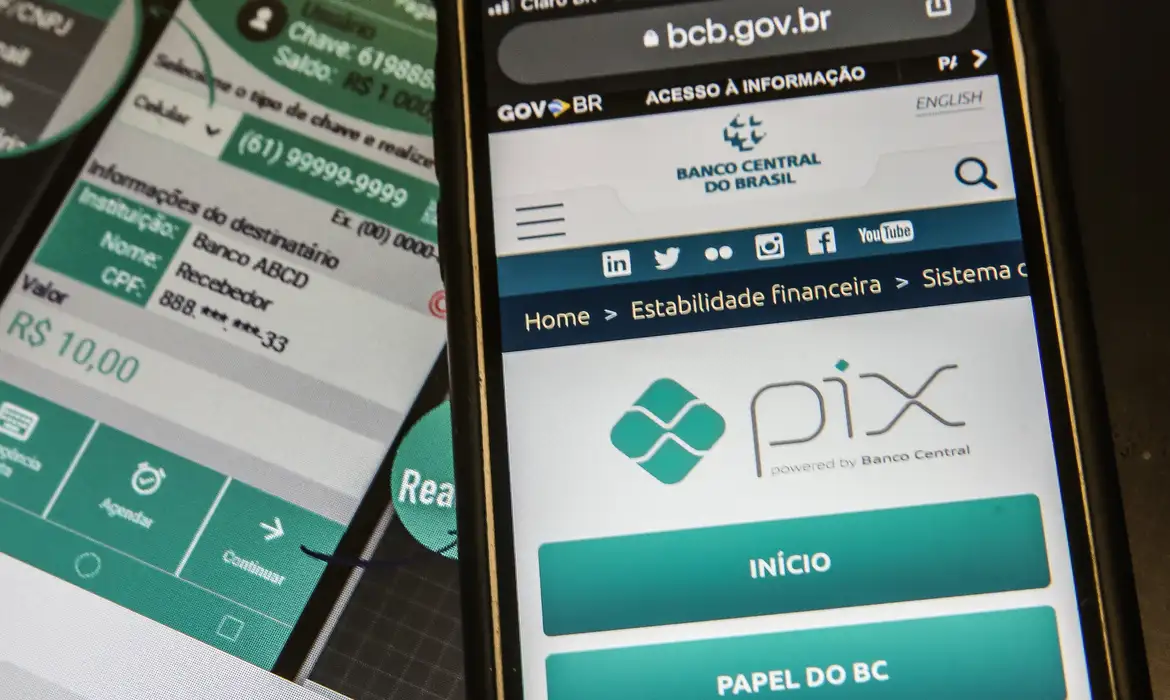
In addition to controlling devices, financial institutions will also be responsible for improving their security technologies.
They must implement fraud management systems that can identify unusual transactions or those that do not match the customer’s usual profile. This will be done based on security information already stored by the Central Bank, which will serve as a database to support risk analyses.
Another important point is that these institutions will need to clearly and accessibly inform customers of the necessary precautions they must take to avoid fraud. This communication must be made through electronic channels widely used by customers. Additionally, institutions will need to conduct periodic checks every six months to identify any fraud associated with their customers.
The new rules also allow for specific actions in cases of suspicious transactions. Financial institutions will have the freedom to temporarily block transferred amounts via Pix or even terminate the customer relationship if there are strong indications or confirmation of fraud.
Automatic Pix: Innovation for 2025
Another innovation involving Pix is the launch of Automatic Pix, scheduled for June 16, 2025. This new feature has been developed by the Central Bank since the end of last year and promises to make life easier for consumers and businesses that need to carry out recurring charges.
With Automatic Pix, the user will be able to authorize automatic charges directly from their cell phone or computer, without the need for authentication with each new transaction. The goal is to simplify the payment of recurring bills, such as water, electricity, telephone, school fees, gym memberships, among others. Thus, companies will be able to reduce costs and avoid defaults, as the payment process will be automated and recurring.
This new Pix modality promises to bring even more convenience to the daily lives of Brazilians, in addition to providing an efficient solution for companies dealing with frequent charges.
Impact on Combating Fraud
The measures announced by the Central Bank are part of a continuous effort to make the digital environment safer. “Financial institutions will need to adapt quickly to ensure the security of customers and the proper functioning of the system“, reported the BC. This update to the rules comes at an opportune time, as Pix is already established as one of the main payment methods in Brazil but has also been targeted by criminals, requiring constant evolution in user protection.
With these changes, the Central Bank reinforces its commitment to promoting a safer and more accessible financial system, offering effective tools for both customers and businesses.