Portuguese
  Spanish


Even with the effective closure of the Strait of Hormuz, a route associated with 20% of global supply, Brent oil fell back below $100 after China reduced imports, altered refinery operations, and maintained doubts about its stocks.
The reduction of Chinese imports, the lack of transparency about stocks, and the change in refinery operations helped contain the surge in oil prices, even with the effective closure of the Strait of Hormuz and the impact on a route associated with 20% of global supply.
Initial projections indicated that a prolonged conflict could push the barrel up to $200. However, Brent returned to trading below $100 amid expectations of an extended ceasefire, despite the interruption in Hormuz.
China reduces purchases and eases global pressure
China has decreased oil imports since the beginning of the war, a move that reduced pressure on the international market amid the supply shock. Before the conflict, the country was buying 11 million barrels per day. In April, this volume fell to 9.3 million barrels daily.
-
Hurry: Wikipedia pays up to R$ 2,500 for those who write about Minas Gerais, contest entries end on July 10, 2026, and even beginners can “earn,” with prizes starting at R$ 200.

-
A city with 8,000 inhabitants will receive R$ 25 billion to host the largest single-stage pulp mill in the world, with a production of 3.5 million tons per year and a cost of R$ 45 million.
-
He left India for Oman in 1976, entered through the door of luxury finishes, and took Sobha to the premium real estate market in the Middle East.

-
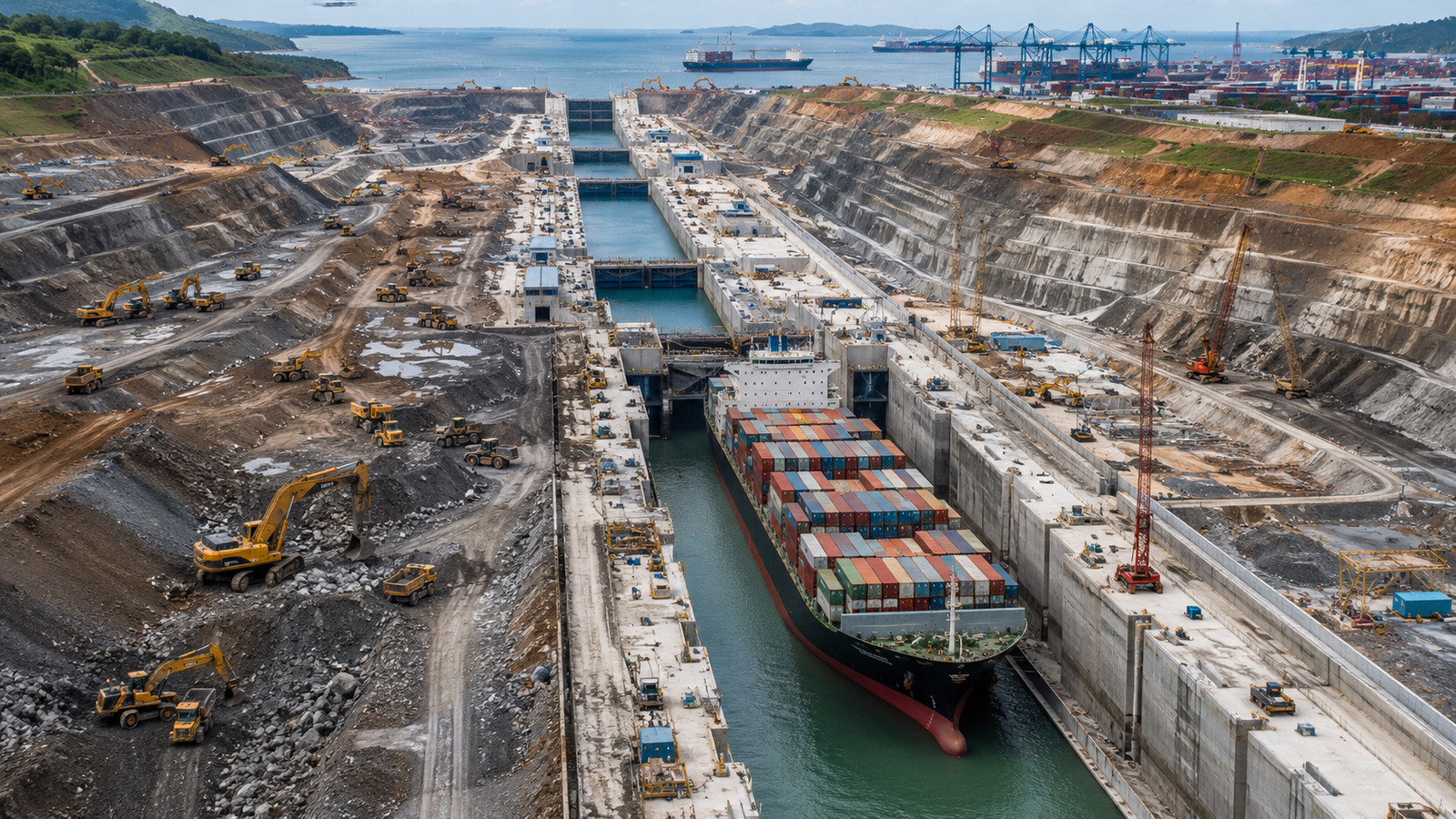
China wants to impress the world once again with a mega canal featuring giant locks, deep waters, and space for the largest ships, in a project aimed at shortening journeys, reducing queues, and rivaling the Panama Canal in global trade.


The expectation cited by Michal Meidan from the Oxford Institute for Energy Studies is that May and June purchases will fall to 6.5 million barrels per day. This decline helped offset part of the impact caused by the closure of the Strait of Hormuz.
Chinese stocks complicate market reading
Salih Yilmaz, an analyst at Bloomberg Intelligence, assesses that prices would be much higher if Chinese imports had remained at the previous pace. One of the central points is the opacity of Chinese stocks.
Analysts can track visible tanks and tanker flows, but underground reserves and other stocks are harder to measure. So far, there has been no observed release from China’s Strategic Petroleum Reserve, although refineries may resort to commercial stocks.
Refineries change operations during the crisis
The Chinese response included reducing purchases for stock formation, decreasing crude oil processing, altering the mix of derivatives, and expanding the use of coal in the production of certain chemicals. The country also temporarily banned exports of refined products.
The question is how long this strategy can continue without greater use of reserves or a resumption of imports. The International Energy Agency warned of a record drain on global stocks, while an Exxon Mobil executive mentioned unprecedented levels.