






 Portuguese
  Spanish
  3 min of reading
  2 comments


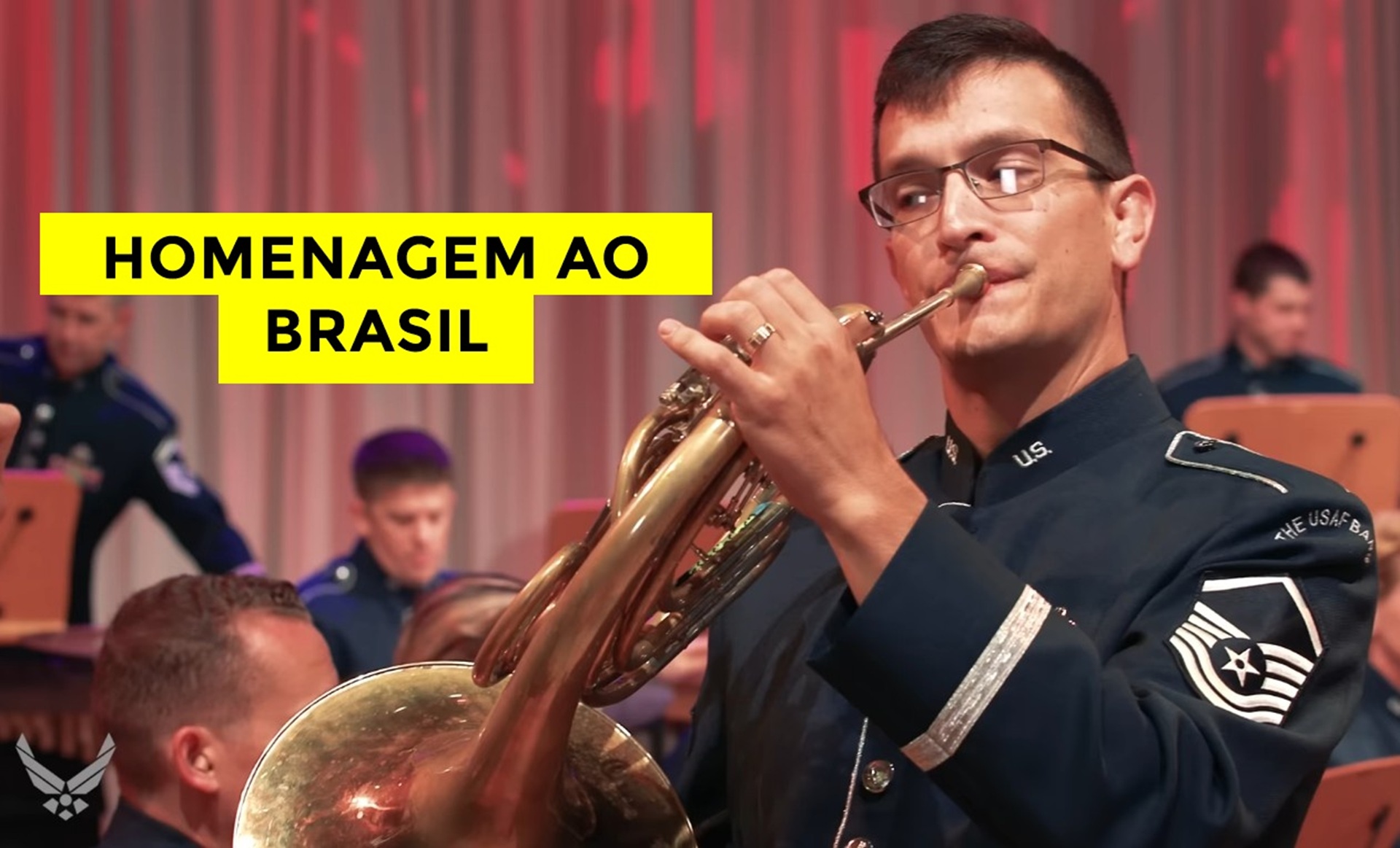


The Presentation of the Work “Tico-Tico no Fubá” on the Official Channel of the United States Air Force Band Evidences the International Reach of Brazilian Choro, Reinforces the Permanence of the Music of Zequinha de Abreu More Than a Century After Its Composition and Highlights the Role of Cultural Diplomacy in Military Institutions
Recently, the official channel of the United States Air Force Band published a musical performance that resonated with audiences in Brazil and abroad: the execution of “Tico-Tico no Fubá”, one of the best-known works in the Brazilian repertoire, composed by Zequinha de Abreu.
The recording is part of the public collection of performances released by the main musical organization of the United States Air Force, responsible for official concerts, audiovisual productions, and cultural diplomacy actions through music.
Official Air Force Band and the Institutional Role of Music
The United States Air Force Band is considered the main musical formation of the United States Air Force.
-
Survivor of 1966 SS Daniel J. Morrell Shipwreck in Lake Huron Recounts 38-Hour Ordeal in Extreme Cold

-
The Greatest Hoax in World Cup History? The Film That Denied Brazil’s 1958 Victory and Exposed How Fake Evidence Can Seem Convincing on TV
-
Fake South Korean Online Stores Offer Shopping Thrill Without Spending Money or Receiving Products
-
The War of Jenkins’ Ear: How a Severed Ear Sparked One of the 18th Century’s Most Unusual Conflicts


Made up of professional musicians selected through rigorous processes, the band performs at military ceremonies, public events, educational concerts, and international performances.
According to institutional information, the musical excellence of the group reflects the performance standard adopted daily by members of the United States Air Force on missions around the world. The content shared on digital platforms follows official communication and transparency guidelines from the Department of Defense.
“Tico-Tico no Fubá” and the Global Projection of Brazilian Choro
Composed in 1917, “Tico-Tico no Fubá” has become one of the most performed Brazilian works internationally.
The piece is a landmark of choro, an instrumental genre characterized by technical virtuosity, rhythmic agility, and a strong presence of wind instruments.
Throughout the 20th century, the music was incorporated into the repertoire of symphonic orchestras, military bands, and soloists in different countries, consolidating itself as one of the main business cards of Brazilian instrumental music abroad.
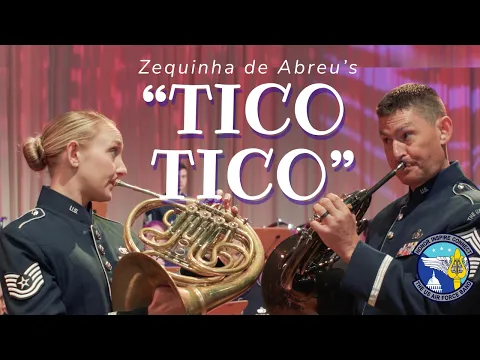

Zequinha de Abreu and the Permanence of His Work
José Gomes de Abreu, known as Zequinha de Abreu, was born in 1880 and built a career as a composer and instrumentalist. He played flute, clarinet, and requinta, standing out for his technical skill and ability to create accessible and striking melodies.
Although he produced several compositions, it was with “Tico-Tico no Fubá” that he achieved lasting recognition. More than a century after its release, the work continues to be performed in formal and institutional contexts, such as the recent presentation by the United States Air Force Band.
Institutional Notice and Cultural Exchange
In the description of the published content, the United States Air Force states that the performance of works by non-federal entities or authors does not imply official endorsement by the Department of Defense.
This clarification is standard in cultural materials published by U.S. military agencies.
Despite this, the choice of a Brazilian composition for an official performance reinforces the role of music as an instrument of cultural exchange and demonstrates how works from the national repertoire continue to cross borders, being recognized and preserved by institutions of global reach.





Ótimo texto! Só lembremos q os EUA conhecem muito bem essa música devido a Carmen Miranda
O Brasil tem muita cultura que deveria ser resgatada e preservada , só lamento que a política nacional é desmotivadora e desfavorável .