Portuguese
  Spanish


In the United States, former SpaceX engineer Nathan Silvernail switched from rockets to construction and founded Plantd, which manufactures grass panels to replace conventional wood: made from a fast-growing grass, the panels have already attracted $47.5 million and aim to take civil construction away from wood.
Someone who spent years designing systems for spacecraft rarely thinks about grass. But that was Nathan Silvernail’s turnaround. After seven years at SpaceX, working on the life support of the Crew Dragon spacecraft, the engineer left rockets behind and founded Plantd, a company that manufactures construction panels made of grass. The goal is bold: to take civil construction away from conventional wood, replacing trees with a much faster-growing grass.
The case gained prominence in the business press, such as in Fast Company, which showed the largest homebuilder in the United States swapping part of the wood for grass. Plantd’s grass panels are cut to the same size as traditional wood boards and can replace them directly on the construction site. What seemed like an unlikely idea turned into an industry with big money behind it.
From Rocket Engineer to Panel Manufacturer
Nathan Silvernail spent seven years at SpaceX, Elon Musk’s rocket company, helping to develop the life support systems of the Crew Dragon spacecraft.
-
A Simple Finger Movement Gains Attention for Its Potential Role in Alzheimer’s Prevention

-
MSC Orders Largest Fleet of Gas-Powered Ships in Maritime History, Set to Impact Global Freight Costs

-
WhatsApp Introduces Two New Features to Revolutionize How Millions Add Contacts
-
Brazil’s Power Grid May Need 6.6 GW of Energy Storage by 2035 Due to Solar and Wind Expansion, Requires Regulatory Framework and Clear Pricing to Attract $11 Billion in Investments


Alongside another former rocket engineer, Huade Tan, he decided to apply the same engineering mindset to the wood market. Instead of sending people to space, the duo decided to rethink how the boards that build houses are made.
The aerospace background became the foundation of the business. Swapping rockets for grass seems like a strange leap, but Nathan Silvernail saw there an engineering problem waiting for a solution.
Panels made of grass that replace wood
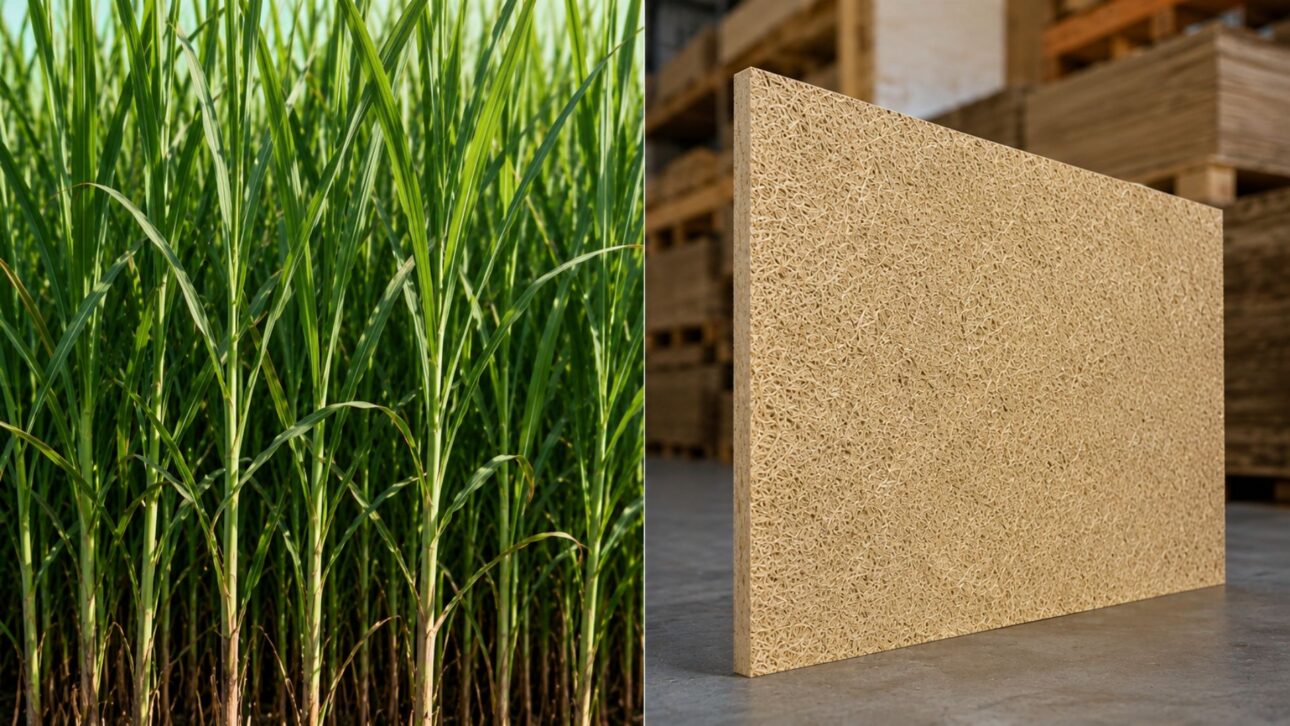
The heart of the company is the product. Plantd manufactures grass panels, construction boards made from a fast-growing grass, instead of wood.
These grass panels are designed to take the place of OSB boards, those pressed wood sheets used in walls, floors, and roofs. The idea is not to decorate, but to replace a structural construction material.
Where wood from trees is used today, the proposal is to use pressed grass. It’s a new material aiming for an old and giant place in the market.
A grass that grows 9 meters in one year
Plantd uses a species of grass resistant to drought and flooding, capable of growing 6 to 9 meters in a single year.
Compared to a tree, which takes decades to become cuttable wood, this grass is ready in one season. This speed is the environmental advantage of the material.
Instead of cutting down forests that take time to regenerate, a grass is planted that regrows quickly. The faster the raw material grows, the less pressure on trees. It’s nature accelerated in favor of construction.
Same as OSB, but carbon negative
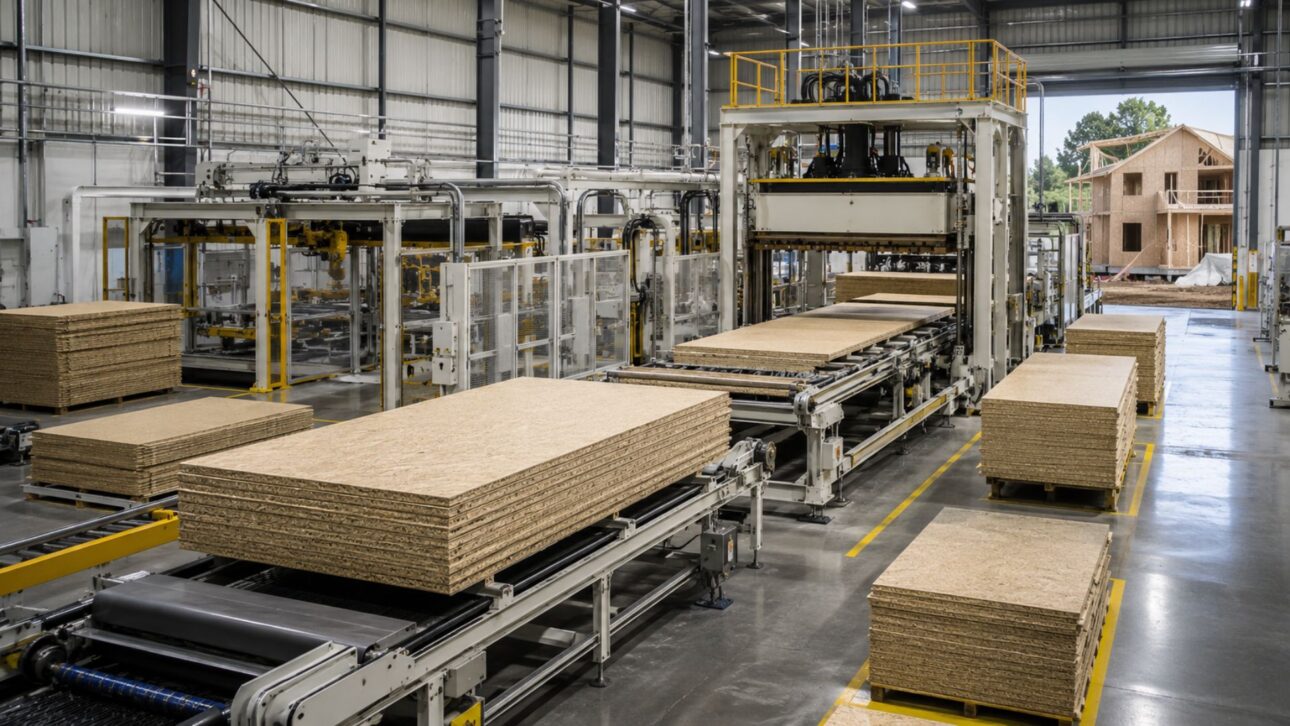
The big industrial trick is compatibility. Plantd’s panels are cut to exactly the same dimensions as traditional OSB boards, allowing them to be used without changing anything in the construction.
Additionally, the company claims that the material is carbon negative, meaning that throughout the process it removes more carbon from the atmosphere than it emits. This happens because the grass absorbs carbon as it grows.
For the construction industry, having a material that fits the standard and also helps the climate is a dream come true. There’s no need to reinvent the construction, just swap the board.
US$ 47.5 million and a construction giant
The bet has already attracted real money. Plantd has raised about $47.5 million in investments, according to Axios, including funding from a major construction materials supplier.
And the strongest signal came: D.R. Horton, the largest homebuilder in the United States, signed a multi-year agreement to purchase 10 million panels, enough to build about 90,000 homes. It is no longer a laboratory experiment.
Having the largest buyer in the sector in the portfolio shows that grass can become an industry of scale. From an unlikely idea to a giant contract, Plantd has made a leap.
Why construction wants to move away from conventional wood
The bet makes sense because of a real problem. The construction industry consumes wood in enormous quantities, which puts pressure on forests and generates emissions related to deforestation and transportation.
Replacing part of the conventional wood with fast-growing, carbon-capturing grass tackles this problem at its root. The demand for houses continues to grow, and the raw material needs to keep up without destroying the planet.
A renewable material in months, not decades, eases this burden. That’s why so many people, from industry to investors, are betting on alternatives to wood in construction.
What Plantd shows
The biggest lesson is that an unlikely idea can become an industry. Nathan Silvernail left rockets and showed that it’s possible to rethink even something as basic as a wood panel, creating Plantd’s grass panels.
Of course, it’s important to stay grounded. The technology still needs to prove its performance on a large scale and gain space in a market dominated by conventional wood, so it’s a promise under construction, not a completed revolution.
Even so, seeing a former SpaceX engineer replace wood with grass, with $47.5 million and the largest builder in the U.S. in line, is the kind of story that shows where construction can go. From space to the construction site, Plantd bets that the future of the wall can be green and grow fast, and that sometimes the next big industry starts with a blade of grass.
And you, would you live in a house with walls made of pressed grass instead of wood? Tell us in the comments what you think of this type of material for construction.