Portuguese
  Spanish


Energy storage is expected to gain importance in the Brazilian electrical system with solar and wind energy, while the regulatory framework and battery auctions define the attraction of R$ 57 billion, ancillary services, and clear prices to compete for investments over the next ten years.
Energy storage could become a decisive component for the Brazilian electrical system by 2035, when the need for contracting is expected to reach 6.6 GW, according to projections associated with the Decennial Energy Plan 2035. The topic involves Brazil, the Energy Research Company, investors, and agents of the electrical sector, at a time of strong advancement of solar and wind sources.
According to eixos, the discussion gained momentum in June 2026 because the PDE 2036, scheduled for the second semester, is expected to confirm the trend of greater demand for storage in the following years. At the same time, Deloitte’s estimate indicates that the country could enable more than R$ 57 billion in investments in this market over the next decade.
Why the Brazilian electrical system started looking at batteries
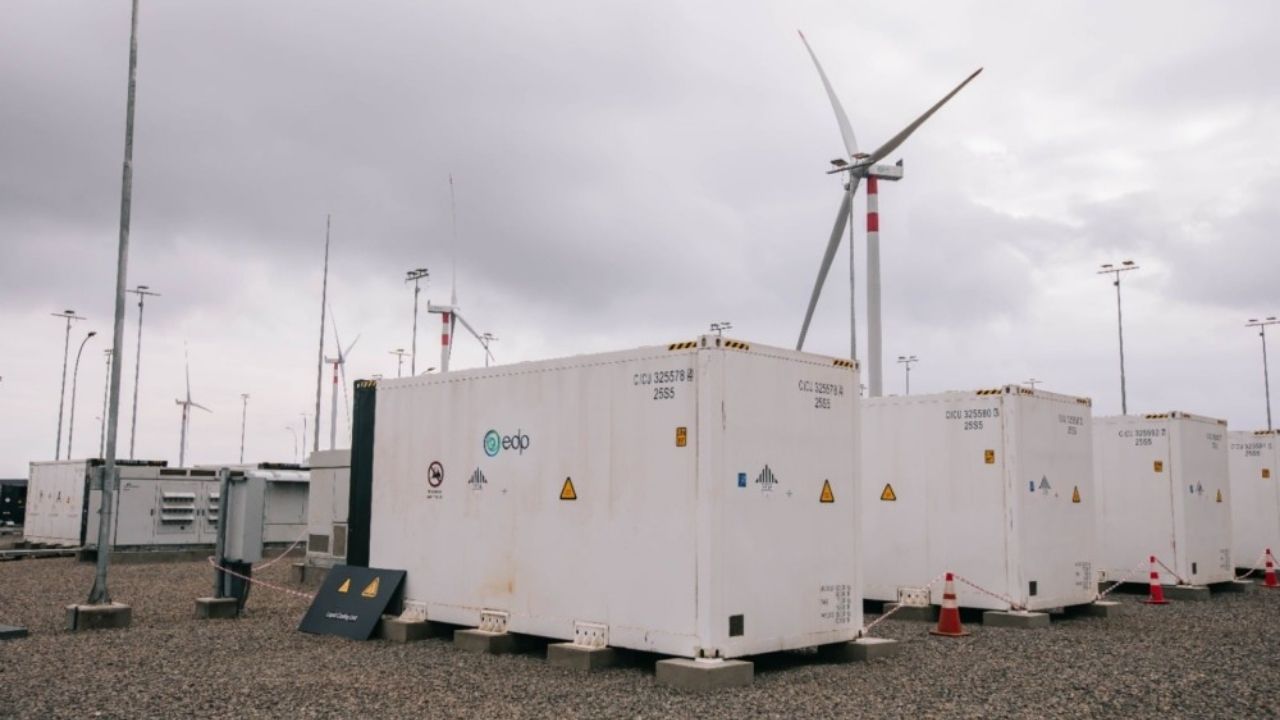
The expansion of variable renewable sources changed the operational logic of the Brazilian electrical system. Solar energy grows during the day, wind generation depends on wind behavior, and consumer demand does not always match these times. It is in this mismatch that energy storage begins to gain strategic value.
-
MSC Orders Largest Fleet of Gas-Powered Ships in Maritime History, Set to Impact Global Freight Costs

-
WhatsApp Introduces Two New Features to Revolutionize How Millions Add Contacts

-
Planet Accumulating Heat at Record Pace, Scientists Warn Global Warming Could Exceed 1.5°C Limit in About 4 Years; Only 130 Billion Tons of CO₂ Left, Climate Window Rapidly Closing
-
The Lithium Triangle in the Americas Will Determine the Future of Electric Batteries — and Brazil Is Late to the Game


Batteries and other storage systems can help store electricity during periods of higher supply and release it when the system needs reinforcement. This does not eliminate the need for other sources, but it increases the network’s flexibility and reduces some of the pressure on operations during critical times.
The projection of 6.6 GW shows the size of the challenge by 2035
The estimated need of 6.6 GW by 2035 indicates that storage has ceased to be a peripheral technology and has become part of long-term planning. The number appears as a reference for future contracting, especially in light of the growth of intermittent sources and the pursuit of greater operational security.
This volume also helps to gauge the complexity of the challenge. Contracting energy storage on a national scale requires rules, adequate remuneration, and integration with the design of the electricity market, because these projects need to be paid not only for the stored energy but also for the services they provide to the system.
Solar and wind expansion increases the urgency for flexibility
The accelerated entry of solar plants and wind farms has brought significant gains to the electricity matrix but also created new coordination requirements. At times, there is a lot of renewable generation available; at others, production drops just when consumption increases. This movement makes flexibility a central word for the sector.
Energy storage appears as a possible response to smooth these fluctuations. When well contracted, it can help reduce waste, alleviate bottlenecks, and provide more predictability to the operation, especially in a system that increasingly depends on sources subject to weather and time of day.
Regulatory framework is still a pending piece
Despite the investment potential, the market still depends on greater regulatory clarity. Deloitte points out that the advancement of projects requires clearer rules on how these assets will be contracted, remunerated, and integrated into the system. Without this, part of the capital tends to remain on hold.
The uncertainty weighs because energy storage can perform several functions at the same time. A single project can offer capacity, quick response, network support, and stability services. If the market does not define how each function will be valued, the investor has difficulty calculating return and risk.
Ancillary services can define the viability of projects
Ancillary services are activities that help the electrical system operate with stability, quality, and safety. They can involve frequency control, voltage support, quick response, and other resources that do not appear only in the traditional buying and selling of energy. For batteries, this point is especially relevant.
If Brazil creates a structured market for these services, energy storage can have more than one source of revenue. This improves the attractiveness of projects and allows the technology to be remunerated for the real value it delivers to the system. Without this structure, contracting may be limited and less competitive.
Clear prices are essential to attract R$ 57 billion
The estimate of more than R$ 57 billion in investments shows that there is a significant potential market. However, this money does not enter automatically. Investors need reliable economic signals, regulatory predictability, and mechanisms that indicate when and where storage will be most needed.
Clear prices act as a compass for private capital. They show whether it is worth installing batteries in a certain region, participating in auctions, or offering services to the system. Without this signal, the country may recognize the technical need for storage but delay the arrival of projects on a large scale.
Battery auctions enter as the first big bet
The main hiring bet is on the battery auctions scheduled for December 2026. After almost two years of waiting, the Ministry of Mines and Energy published the ordinances in June with the rules for the contracts, including the forecast of an exclusive tender for projects with national content.
These auctions should function as an important test for the market. They can indicate investor appetite, the real cost of hiring, and the country’s ability to compete for equipment in a limited global chain. The result tends to influence the next steps of energy storage in Brazil.
Global competition may pressure Brazil
Brazil is not alone in the race for batteries and storage systems. Other countries are also advancing to integrate renewables, reduce instabilities, and increase the security of their electrical systems. This global competition may pressure prices, deadlines, and equipment availability.
Therefore, Brazilian attractiveness will depend not only on the size of the market but on the quality of the rules. If the country takes too long to structure contracts, ancillary services, and adequate remuneration, it may lose ground to markets that offer more predictability to suppliers and investors.
Storage has become a strategic decision for the energy transition
The debate on energy storage goes beyond the installation of batteries. It involves how Brazil intends to organize the expansion of the electric matrix, deal with the variability of renewables, and prepare the grid for an increasingly dynamic demand.
The projection of 6.6 GW by 2035 and the potential of R$ 57 billion in investments show that the country has a significant opportunity, but also a decision window. The question now is whether Brazil will be able to create clear rules in time to turn technical needs into real projects. Do you think the country should accelerate battery auctions or wait for more mature regulation before contracting on a large scale? Leave your opinion in the comments.