Portuguese
  Spanish


According to Exame, Rodrigo Cardoso sold his own motorcycle, combined his severance pay and a family loan to gather around R$ 95,000 and start making açaí in his home kitchen in Bacabal, Maranhão, in 2017. Less than ten years later, the founder of Bengô Açaí earned R$ 81.5 million in 2025 and projects reaching R$ 146 million in 2026, leading a network of 140 stores spread across 12 states.
The story seems like a turning point, but it was built step by step. According to Movimento Econômico, Rodrigo Cardoso started his professional life in informal activities, got his first formal job at 18, and after almost four years in the CLT regime, decided that the salary cap no longer fit his plans. At 21, alongside his wife, he quit his job and bet everything on açaí. What seemed like a small neighborhood business turned into Bengô Açaí, now one of the fastest-growing franchise networks in the Northeast.
The sold motorcycle and the R$ 95,000 that kicked things off
Before becoming a CEO, Rodrigo Cardoso was an informal worker like so many others. The first formal job came at 18, and for almost four years he followed the CLT routine. It was long enough to realize that financial growth had a clear limit on that path, and that if he wanted to change his life, he would have to take a big risk.
The risk came in the form of a radical decision. At 21, Rodrigo Cardoso resigned and turned his severance pay into working capital. To boost the cash, he sold his motorcycle and even took a loan from his own family. The total sum was about R$ 95,000, the money that would fund the purchase of the first machines and raw materials to start.
-
He almost went bankrupt during the pandemic and drove his own delivery truck to keep the ice cream shop open, created the “ice cream wholesale” and now sells 1.3 million popsicles per month starting at R$ 1, with 32 stores and a goal of R$ 100 million.

-
A couple living in Australia missed natural baby food from Brazil, created a brand that dominates 93% of the baby food category, and now launches a cookie and chocolate drink “without being junk” to double in size and earn R$ 360 million.

-
A Marine Corps veteran transformed a retired $5,000 school bus into a tiny home to live with her children, sold it for $50,000, and has already built dozens of other conversions on wheels.

-
At 15, he was earning R$ 8,000 per month with a Minecraft server, created a digital bank for teenagers, and now, at 28, runs an “influencer factory” of artificial intelligence that amassed 1.2 billion views in 9 months.




It wasn’t a fortune, but it was all he had. The choice of product was no accident: açaí consumption was rapidly growing in the country, especially in the self-service model, where the customer assembles their own bowl and pays by weight. It was a mass market, with an accessible ticket and relatively simple operation, the ideal ground for someone with little capital and a lot of willingness to work.
With the money in hand, his wife by his side, and an idea in mind, the couple set out for the most challenging part, which was to turn it into a real business. And the first counter was set up in the most unlikely place possible.
Açaí blended in the home kitchen, with two machines
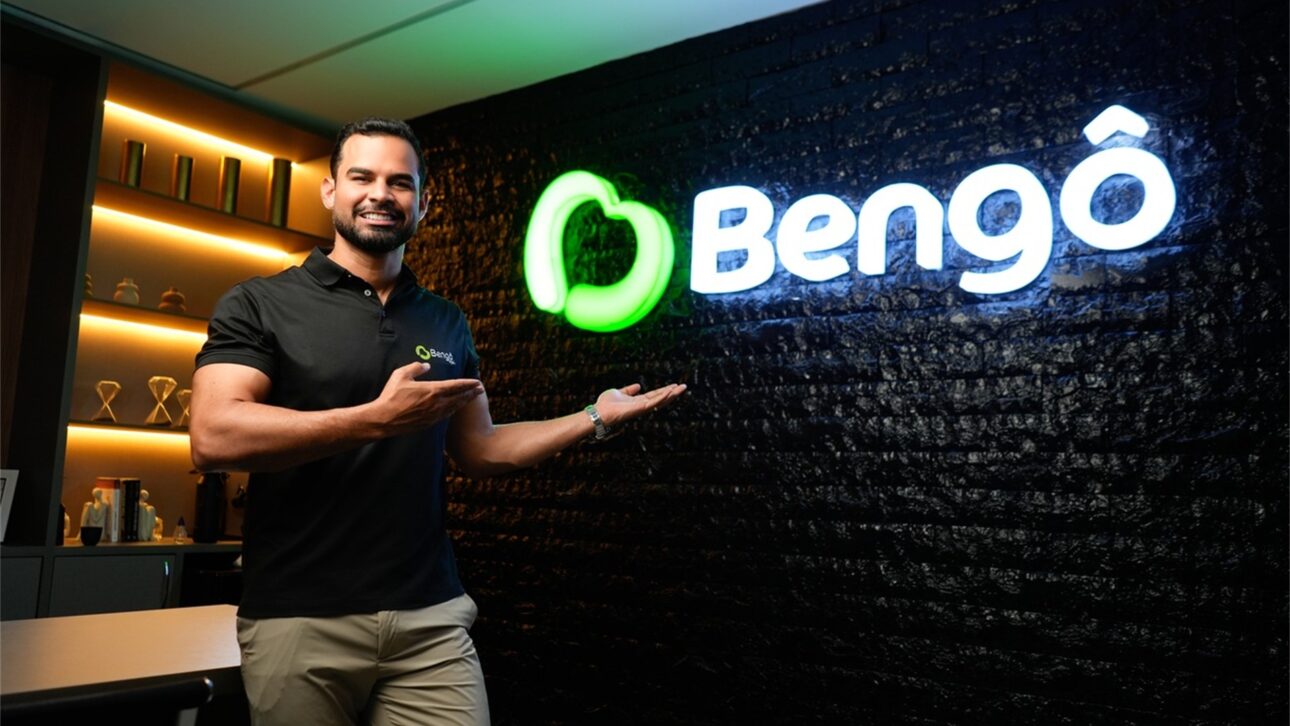
The first “commercial point” of Bengô Açaí was the couple’s home kitchen. It was there that Rodrigo Cardoso installed two machines to blend and produce açaí and started running the operation from scratch, doing a bit of everything. In the beginning, he and his wife, Kamilla Cardoso, personally handled each stage, from pulp production to customer service, from stock control to delivery.
This hands-on phase lasted about six months. Only after the movement justified it did the first hiring come, a team of four people to handle the growing demand. The model was lean out of necessity, and every real reinvested in the business came directly from the counter.
What made the difference during this period was the closeness to the customer. Without budget for large campaigns, the entrepreneur listened to those who entered the store and adjusted the menu according to requests. “Growth was organic, guided by customer suggestions,” summarized Rodrigo Cardoso. It was this way, bowl after bowl, that the operation gained a reputation in the city.
The logic was simple and stubborn, which was to deliver consistent açaí, in a pleasant environment, at a price that fit the budget. This recipe, repeated with discipline, would later be standardized and transformed into the heart of the future franchise network.
1,200 kilometers to Bacabal, in Maranhão
Even before blending the first açaí, Rodrigo Cardoso had to answer a decisive question, which was where to open. Without capital to compete in the big capitals, already saturated with competitors, he made a different calculation and went in search of a place with less competition and more room to grow.
The search was literal. The entrepreneur traveled about 1,200 kilometers looking at cities, comparing competition and consumption potential, until he nailed the destination. The bet was Bacabal, in the interior of Maranhão, where he opened the first physical unit. At that time, the operation was not yet called Bengô Açaí, but Mix Açaiteria, the name that marked the beginning of the journey in Maranhão.
The choice proved to be right. Maranhão was experiencing a consumption expansion movement and, later, would establish itself as one of the fastest-growing franchise markets in the country. In 2025 alone, franchising in Maranhão moved R$ 4.3 billion, with an increase of over 9%, a fertile environment for those who arrived early.
Bacabal gave him something that a capital city would hardly give a beginner, which was the chance to make mistakes, adjust, and grow without being crushed by the competition. It was from this ground, in the heart of Maranhão, that the brand gained the strength to think big.
The Own Factory and the Scale Leap
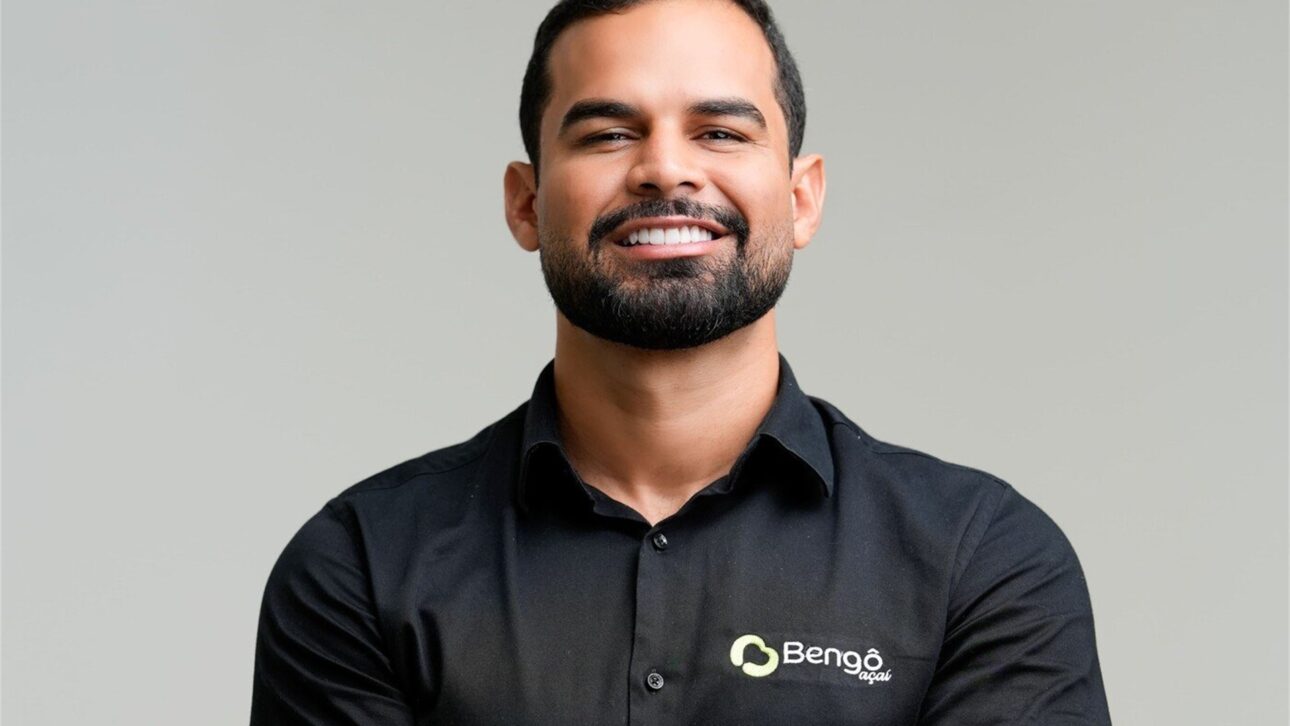
With Bengô Açaí’s own stores doing well, the next step was to look back at the production chain. In 2019, the business gained its own factory, a move that ensured scale and standardization to the operation. Instead of relying on third parties for the pulp, the company began to control the quality and cost of what it served.
Verticalizing was more than a technical decision. Having its own production meant being able to open many stores with the same standard of flavor and texture, something essential for those dreaming of replicating the model across the city. The factory became the backbone of the future network.
Today, this structure produces about 35 tons of açaí per month, with expectations to jump to 60 tons by 2026 to keep up with the expansion. It’s the kind of industrial capacity that separates a good local business from a brand with national ambition.
It was with the factory running smoothly that Rodrigo Cardoso felt ready for the bolder step, which was to open the brand to investors and transform the operation into a real franchise network.
The Shift to the Franchise Model
The transformation into a franchise network was the turning point of the story. The Bengô Açaí brand was structured precisely to meet the demand of investors interested in entering the field, and the response came quickly. In no time, the business went from a handful of units to dozens of contracts sold, first in Maranhão and then in other states in the Northeast.
The initial numbers were impressive. When the franchise operation took off, Bengô Açaí sold about 30 units in just six months, a sign that the model had appeal. For the franchisee, the investment starts at around R$ 300,000, with a return expected in up to six months, a short period that helped attract interested parties.
The proposal was clear, which was to deliver to the investor a ready-made business, with brand, factory, menu, and processes already tested. Instead of reinventing the wheel, the franchisee entered a standardized system, with the pulp coming from the own factory and the operation designed for self-service. Bengô Açaí took care of the core, and the partner took care of the location.
This arrangement unlocked growth. The franchise stopped being a promise and became the engine that spread the brand across the map, taking Bacabal’s açaí far beyond the borders of Maranhão.
140 stores in 12 states
The result of this mechanism is in the current size of the network. Today, Bengô Açaí has 140 stores, including units already in operation and franchises sold, with a presence in 12 states. What started in a kitchen in Bacabal turned into an operation with interstate reach.
The expansion doesn’t stop there. Bengô Açaí’s goal is to reach 300 units by the end of 2026, which means setting up more than 200 new operations in a short interval. For 2027, the objective is even more ambitious, which is to reach 500 stores.
This pace follows a larger trend. Businesses with low initial investment, linked to a mass consumption product and an easy-to-replicate model, have been gaining scale in the Northeast and creating new growth hubs away from major centers. Bengô Açaí has become an example of this wave.
From Araguaína, in Tocantins, where Rodrigo Cardoso came from, to the 140 stores today, the distance is measured less in kilometers and more in risky decisions. Each new franchise opened reinforces the bet made back then, when the motorcycle was sold to buy two açaí machines.
R$ 81.5 million in 2025 and the goal of R$ 146 million
The revenue numbers translate the size of the leap. In 2025, Bengô Açaí earned R$ 81.5 million, an impressive mark for a business that started with R$ 95,000 and two machines in a kitchen. For 2026, the projection is to practically double the result and reach R$ 146 million.
A good part of this calculation depends on the advancement of the franchises and the increase in production. If the expansion to 300 stores goes as planned, and if the factory indeed increases from 35 to 60 tons per month, the R$ 146 million figure stops being a goal and becomes a consequence of the scale for Bengô Açaí.
Leading everything, as CEO and founder, is Rodrigo Cardoso, the same person who just six months after opening the business hired the first four people. Today’s structure is incomparably larger, but the logic he repeats is the same as on the first day, which is to listen to the customer, standardize what works, and reinvest in the operation.
From the first makeshift counter in the kitchen to the R$ 146 million projection, the trajectory of Bengô Açaí condenses a question that many entrepreneurs carry in their pockets: how far can one go who decides to sell the motorcycle and bet everything on a simple idea, done with consistency and patience?